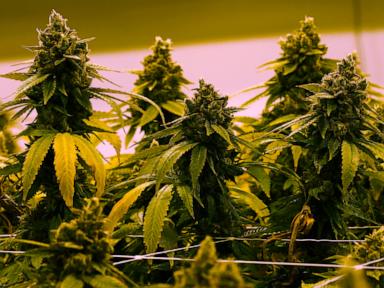
Virginia will finally permit recreational cannabis sales beginning July 1, 2027, ending a bizarre five-year legislative limbo that turned the Commonwealth into a cautionary tale of drug policy reform. By embedding the framework into the mandatory state budget, Governor Abigail Spanberger and legislative leaders broke a multi-year political stalemate that had effectively ceded the entire market to illicit networks. The deal represents a sharp policy pivot, but the math and mechanics driving this compromise show that launching a regulated marketplace from scratch is far more complicated than simply passing a bill.
When Virginia became the first Southern state to legalize marijuana possession in 2021, lawmakers celebrated a historic milestone. They forgot to build the stores. For half a decade, adults could legally possess and consume cannabis, yet buying or selling it remained a criminal act. This regulatory vacuum allowed an aggressive underground economy to flourish. The newly struck deal tries to correct this mistake, though it forces entrepreneurs and consumers to wait another year while a brand-new bureaucratic apparatus is built from the ground up.
The Cost of the Five Year Policy Vacuum
The decision to legalize possession without a retail infrastructure is now widely viewed by industry analysts as a major policy error. State officials watched hundreds of millions of dollars in potential tax revenue disappear into the underground economy every year. Illicit delivery services and gray-market pop-up shops filled the void, operating entirely outside the reach of state inspectors, age-verification protocols, and laboratory testing standards.
This lack of oversight created immediate public health concerns. Unregulated products, often packaged to mimic popular candy brands, flooded the market without clear dosage labels or safety warnings. Law enforcement found itself in an impossible position, unable to prosecute possession but tasked with stopping an unregulatable supply chain. The new 2027 plan is less an enthusiastic embrace of cannabis culture and more a pragmatic, damage-control measure designed to reclaim control over a market that grew completely out of hand.
Inside the Structural Design of the 2027 Market
The compromise hammered out between Governor Spanberger, Senator Lashrecse Aird, and Delegate Paul Krizek abandons previous, more aggressive regulatory designs in favor of a tightly controlled system. The state will cap the total number of retail cannabis establishment licenses at 350. This artificial ceiling is intended to prevent market saturation, but it will inevitably trigger a fierce, high-stakes bidding war among multi-state operators and local entrepreneurs.
Virginia Cannabis Market Structure (Starting July 1, 2027)
+---------------------------------+-----------------------------------+
| Feature                         | Policy Detail                     |
+---------------------------------+-----------------------------------+
| Retail License Cap              | 350 stores statewide              |
| Microbusiness Licenses          | Up to 100 issued by May 1, 2027   |
| Initial State Excise Tax        | 6% (rising to 8% on July 1, 2029) |
| Maximum Local Option Tax        | Up to 3.5%                        |
| Public Possession Limit         | Increased from 1 ounce to 2 ounces|
| Public Consumption Fine         | Increases from $25 to $250        |
+---------------------------------+-----------------------------------+
The Cannabis Control Authority will assume total regulatory oversight, taking over the responsibilities previously scattered across various state agencies. Applications for these highly coveted licenses will open on February 1, 2027. To prevent the market from being completely dominated by massive out-of-state conglomerates, the legislation allows for up to 100 microbusiness licenses to be issued by May 1, 2027. These microbusinesses can operate up to two locations, offering local farmers and small-scale craft cultivators a thin fighting chance.
The Financial Squeeze and the Tax Escalation Timeline
Marijuana state tax structures can make or break a legal market. If taxes are set too low, the state fails to cover the societal costs of regulation and enforcement. If they are set too high, consumers stick with their tax-free illicit dealers. Virginia is attempting a phased approach to find the sweet spot.
At launch, the state will levy a 6 percent excise tax on all retail cannabis products. On July 1, 2029, that baseline rate automatically jumps to 8 percent. Local municipalities retain the right to slap an additional tax of up to 3.5 percent on top of the state fee, in addition to standard local sales taxes. Total tax rates could quickly top 14 percent in certain jurisdictions.
Regulators plan to channel 40 percent of the state tax revenue directly into early childhood care and education programs. Another 30 percent will flow into the Cannabis Equity Reinvestment Fund, which provides economic development grants and technical assistance to communities hit hardest by past drug enforcement policies. The remainder will fund public health initiatives, K-12 education, and substance-use prevention programs.
The Squeeze on the Intoxicating Hemp Loophole
One of the most significant, yet frequently overlooked, elements of the new legislation is its aggressive crackdown on the unregulated hemp industry. Following the 2018 federal Farm Bill, clever manufacturers utilized a legal loophole to produce intoxicating products like Delta-8 THC from industrial hemp. These products have been sold legally in gas stations, convenience stores, and smoke shops across Virginia for years, completely bypassing traditional cannabis restrictions.
The 2027 framework explicitly closes this loophole. Oversight of all intoxicating hemp products is being transferred away from the Department of Agriculture and Consumer Services and placed directly into the hands of the Cannabis Control Authority. Hemp products will soon face identical laboratory testing, strict labeling mandates, and explicit age-verification requirements as recreational marijuana. For many gray-market operators, this uniform regulatory umbrella means their low-overhead, high-margin run is officially over.
Child Safety Rules and Real Estate Realities
The governor insisted on strict consumer protections before signing off on the budget language. The resulting rules will completely change how cannabis looks on the shelf. The state is implementing an absolute ban on cartoon advertisements and any packaging design that might appeal to minors. Products cannot be shaped like fruits, animals, vehicles, or humans.
Location rules will create a massive real estate headache for prospective dispensary owners. No retail cannabis store can operate within 1,000 feet of a school, playground, hospital, or drug treatment facility. In dense urban centers like Richmond, Alexandria, or Norfolk, finding a compliant commercial storefront that is also commercially viable will be an incredibly difficult, expensive logistical puzzle.
Retailers who violate these strict guardrails face escalating penalties. The state has made it clear that repeated failures to verify a customer’s age or selling to minors will result in immediate license revocation. Furthermore, once the retail market opens, the civil penalty for smoking or consuming cannabis in public will skyrocket from a modest $25 fine to a punishing $250.
Why the Equity Provisions Face an Uphill Battle
Lawmakers have heavily emphasized fairness and equity in the new marketplace, allocating 75 percent of first-year licensing fees to an equity loan fund designed to support disadvantaged entrepreneurs. A five-year holding period will be placed on impact licenses to prevent predatory buyouts by wealthy investment firms.
But a license alone does not guarantee a profitable business. Cannabis entrepreneurs face staggering operational hurdles that standard small businesses never encounter. Because marijuana remains a Schedule I controlled substance under federal law, traditional banks refuse to offer business loans, lines of credit, or standard merchant processing services.
Virginia microbusinesses will be forced to rely entirely on private capital or high-interest niche lenders. They cannot deduct standard business expenses on their federal tax returns due to IRS code Section 280E, which penalizes businesses trafficking in controlled substances. This means small local dispensaries will face effective tax rates that can exceed 70 percent, a financial reality that will inevitably push many undercapitalized operators into bankruptcy long before their five-year holding period expires.
The Multi State Operator Advantage
While the state aims to protect local microbusinesses, the 350-license cap plays directly into the hands of heavily capitalized multi-state operators. These massive corporations already have the compliance infrastructure, legal teams, and deep cash reserves required to navigate a two-year regulatory rollout. They can afford to pay premium prices to secure compliant real estate and absorb the heavy losses associated with federal tax penalties.
Small local operations will have to move fast to secure their footing before July 2027. The Cannabis Control Authority will establish a public licensee registry and an anonymous tip line to monitor corporate ownership structures, attempting to detect and block illicit front organizations or illegal hidden monopolies. Whether these bureaucratic checks can actually stop sophisticated corporate consolidation remains a matter of intense skepticism among industry veterans who have seen similar equity programs falter in states like New York and California.
Virginia has finally chosen a definitive path forward, but the long delay has given the underground economy a deep, generational head start. The success of this new regulated marketplace hinges entirely on whether a state agency can build a system efficient enough to compete with a mature, untaxed, and completely unrestricted illicit market. The clock is ticking toward 2027, and the true assembly of Virginia cannabis industry has only just begun.