Scrolling through real estate listings usually brings up suburban fixer-uppers or overpriced condos. Every once in a while, though, a property hits the market that makes you stop and stare. Take the historic commercial core of Gay, Georgia. Someone slapped a $13.5 million price tag on roughly 64 acres, 17 buildings, and an operating microbrewery.
Owning a slice of an authentic American southern hamlet sounds like a movie plot. You get storefronts, residential rentals, agricultural land, and a built-in festival. Before you empty your savings account to play mayor, you need to understand what buying a chunk of a real town actually entails. The reality of commercial real estate packages like this involves intense operational upkeep, zoning hurdles, and a very specific kind of vision.
What Your $13.5 Million Actually Buys You in Gay
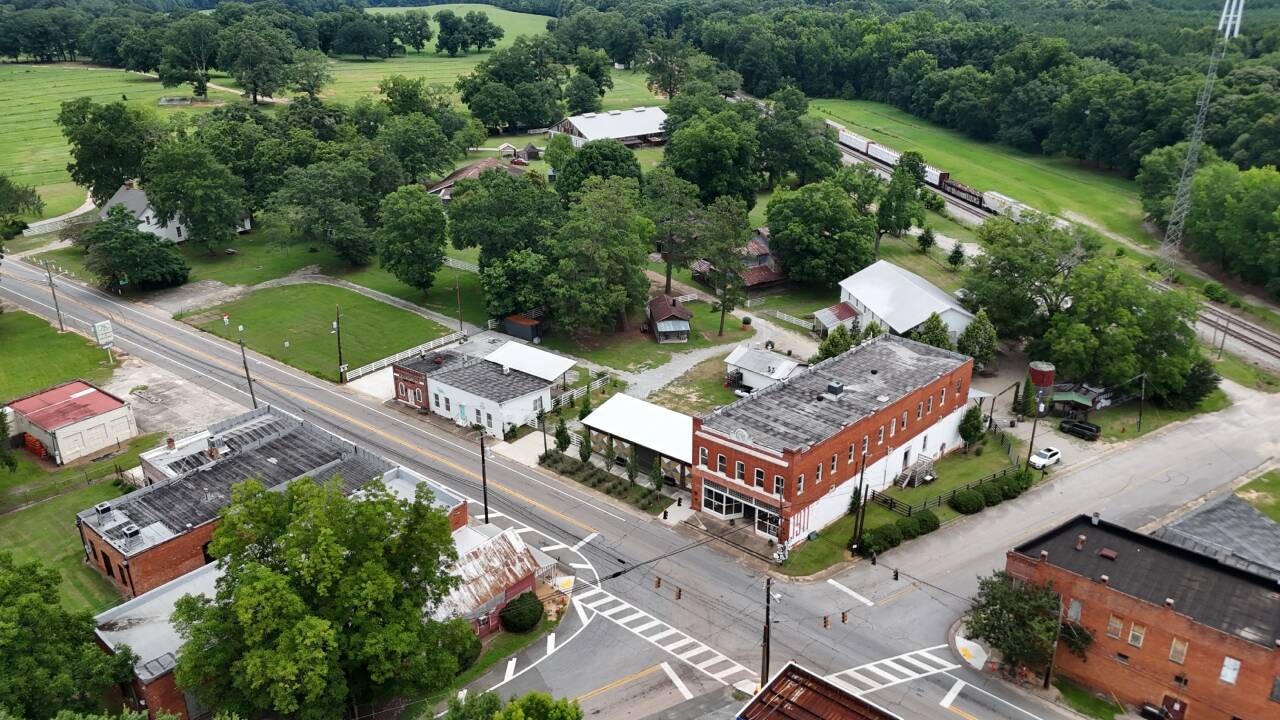
You aren't buying the entire municipality of Gay, Georgia. Christopher Walker, the town's volunteer mayor, notes that the listing covers less than 20% of the actual town limits. What's actually for sale is the historic commercial center.
The package is a fascinating mix of heritage infrastructure and active commercial enterprises managed by the Summerour family, who acquired the properties during the COVID-19 pandemic. The holdings include:
- Approximately 64 acres of land spanning agricultural plots, timber acreage, and the commercial core.
- 17 distinct buildings featuring well-preserved storefronts, residential structures, and a century-old cotton gin alongside a former peach processing facility.
- Towerhouse Farm & Brewery, a functional craft brewery and taproom pulling in roughly $510,000 in annual revenue.
- The grounds and infrastructure for the twice-yearly Gay Cotton Fair, a massive regional draw that brings in around 60,000 visitors per event and generates roughly $750,000 annually.
Combined, the active businesses listed in the marketing materials bring in about $1.26 million a year. That sounds like solid cash flow until you realize you are managing a brewery, a massive seasonal festival ground, residential short-term rentals, and historic preservation projects all at once.
The Economic Engine Behind the Meriwether County Hamlet
Gay sits roughly 60 miles south of downtown Atlanta in Meriwether County. That location matters entirely. It puts the property inside the outer ring of the massive Atlanta drive market, capturing curious day-trippers, weekend travelers, and fans tracking down filming locations for The Walking Dead, which shot scenes in the surrounding area.
Over a million vehicles pass through Gay every year, giving the commercial storefronts a steady stream of passive visibility. The town's economic lifeblood historically revolved around cotton and peaches before shifting toward festival tourism in the late twentieth century.
When the Summerour family took over, they used downtime during the pandemic to brew beer using local ingredients, convert old homes into short-term rentals, and stabilize the local footprint. Now, they want to pass the torch to focus on their primary farm and wedding operations. They've taken the property as far as they want to take it. The next owner inherits an established machine, but keeping that machine running smoothly requires active daily oversight.
The Catch Nobody Talks About With Historic Real Estate
Buying historic property looks great on Instagram. Maintaining it is an entirely different beast. Structures that date back generations come with unique maintenance headaches, insurance realities, and regulatory hoops.
Crucially, some of the historic properties in Gay lack official historic preservation protections—a factor that landed parts of the area on preservation watchlist registries in the past. Without strict historic district boundaries, an owner has flexibility, but they also shoulder the total responsibility of safeguarding the architectural integrity that draws people there in the first place. If you pave over the charm to build modern strip malls, the very thing people drove out from Atlanta to see evaporates.
You aren't buying a passive index fund. You are buying a hospitality business, an event coordination enterprise, a farm, and a landlord portfolio wrapped into one bundle. If you don't have experience managing retail tenants, hosting tens of thousands of festival-goers over a single weekend, and brewing craft beer, you'll spend your first year drowning in logistics.
Is This a Smart Investment or an Expensive Hobby?
For a traditional real estate investor looking for predictable cap rates and zero phone calls about clogged toilets, this listing is a nightmare. It requires a hospitality-first mindset, deep pockets for ongoing property maintenance, and marketing savvy to keep the festival grounds and brewery relevant.
On the flip side, for a boutique hospitality group or an experiential investor with a knack for rural revitalization, it's a turnkey playground. The infrastructure is already built, the revenue streams are documented, and the location is close enough to a major metro area to guarantee a steady stream of traffic.
If you have the capital and the operational grit to manage a slice of southern history, properties like this rarely hit the open market. Just make sure you actually like brewing beer and hosting crowds before wiring the deposit.