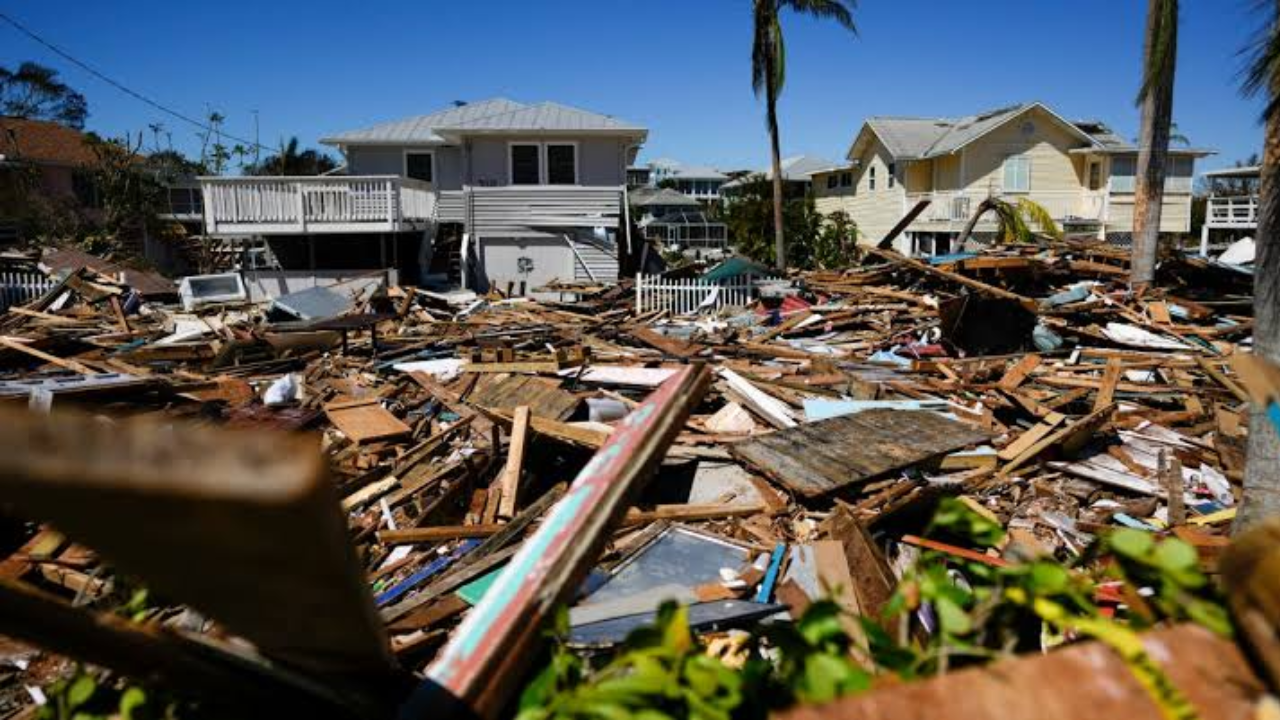
California beaches are not disappearing simply because the ocean is rising. They are vanishing because decades of concrete seawalls, inland dams, and bulldozed dunes have starved the shoreline of sand while trapping it against unyielding walls. Recent climate assessments warn that up to half or even three-quarters of California beaches could erode away by 2100, yet treating the crisis purely as a weather or sea-level story misses the human engineering that already rigged the math.
After thirty years covering coastal policy, municipal budgets, and shoreline engineering up and down the Pacific, I have watched the same pattern repeat every winter. A storm hits. A boardwalk buckles or a bluff crumbles. Officials hold a press conference pointing at the tide gauge, while quietly ignoring the concrete riprap sitting thirty yards uphill or the flood-control dam holding back millions of cubic yards of mountain gravel.
The ocean provides the shove. Our own infrastructure built the trap.
How Rising Seas Exposed a Starved Sand Budget
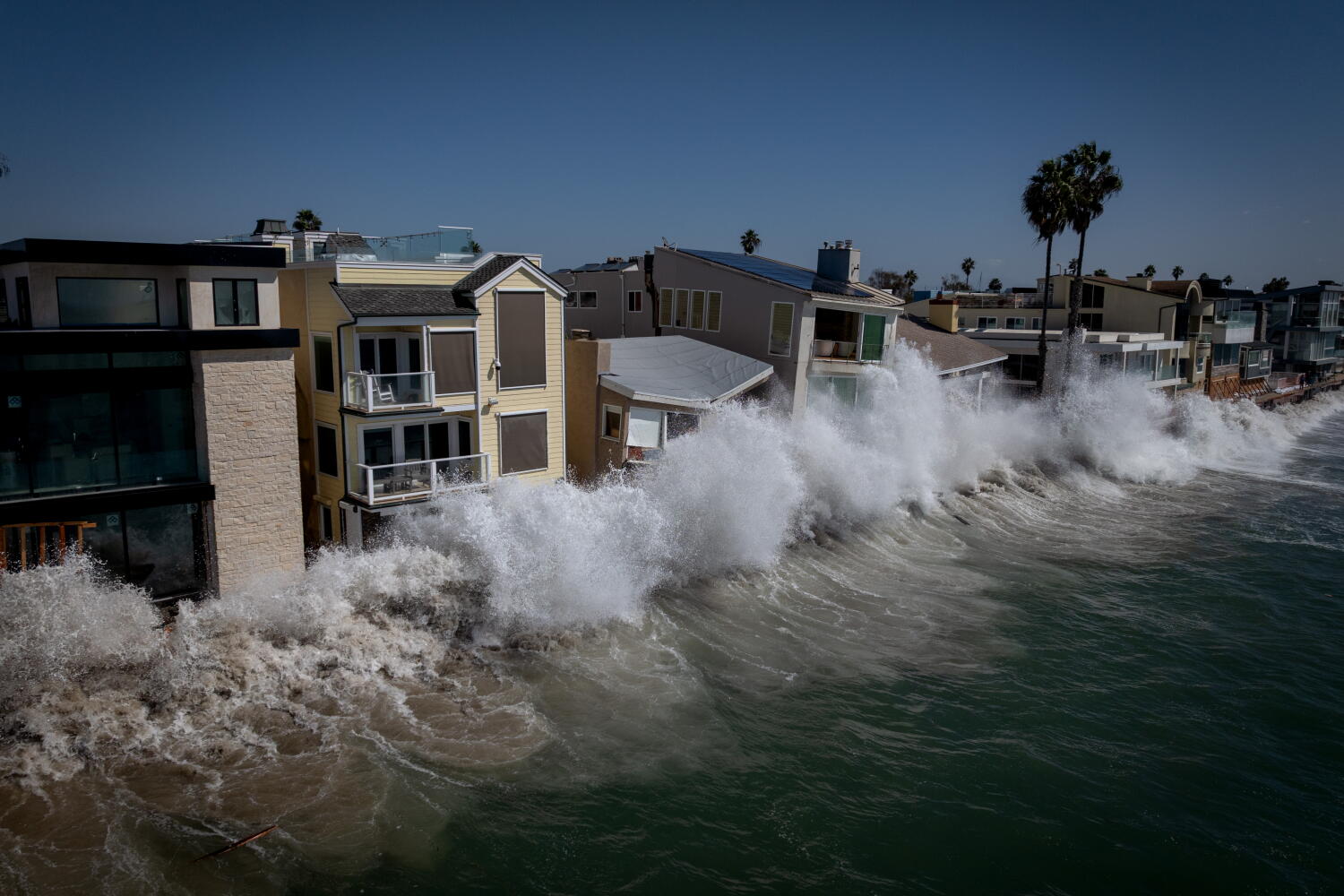
Climate models get the headline attention because a rising baseline makes every high tide more destructive. When global and regional sea levels climb, wave energy reaches higher up the beach profile during routine swells and king tides. In Southern California, where a persistent marine heatwave and an active El Niño cycle pushed water levels well above seasonal expectations in autumn 2026, elevated water coupled with big swells already stripped sand off public beaches and overtopped coastal defenses.
Yet a beach is a dynamic ledger of sand moving in and out, not a static slab of pavement. Rivers and coastal streams historically supplied roughly three-quarters to ninety percent of the sand-sized sediment feeding California beaches, with bluff erosion supplying most of the rest. When winter storms swelled coastal rivers, massive pulses of sand reached the surf zone and spread along the coast via longshore currents.
That ledger is deeply in the red. More than five hundred dams impound a huge share of California's coastal watershed area, trapping sediment behind concrete walls and cutting off peak flood flows that once carried sand to the coast. In roughly seventy percent of studied streams, suspended sediment loads during comparable flows have fallen over recent decades, leaving roughly a quarter of the state's beach mileage downcoast from rivers with severely diminished sand supplies.
A beach needs room to retreat and fresh sand to rebuild. Without both, higher water does not just wet the shore—it erases it.
When waves pull sand offshore during winter storms, a healthy beach with room behind it can eventually recover some of that profile through natural sand transport and dune exchange. When sand supply is choked off upstream and the backshore is locked in concrete, the sand lost in a bad winter often never comes back.
The Coastal Squeeze Nobody Wants to Admit
Walk along urbanized stretches of Southern California and you see the paradox up close. Roughly fourteen percent of California's entire coast is armored with seawalls, revetments, and other hard structures, and that figure jumps to thirty-eight percent along Southern California beaches—higher still in heavily built-up pockets.
Property owners and local agencies build seawalls to protect homes, roads, rail lines, and sewer mains. Politically, that instinct is easy to understand. Financially, it creates a textbook coastal squeeze.
A wall holds the back edge of the beach fixed in place. As sea level creeps upward, the active surf zone presses against that immovable barrier, narrowing the dry sand between water and concrete until the beach disappears altogether. Worse, wave energy reflecting off hard vertical or steep surfaces can scour sand from the base of the structure, speeding up the loss of the very public beach people come to visit.
Consider a hypothetical example of a half-mile stretch of public beach fronted by a continuous concrete seawall and a row of multimillion-dollar homes. For years, the wall keeps the houses dry during moderate high tides. Over time, however, wave reflection and rising water narrow the wet and dry sand down to a thin strip at low tide, and vanish completely at high tide. Public access vanishes first, followed by rising maintenance costs on the wall itself as bigger waves hit it directly rather than dissipating across a wide, sloping sand berm.
That is the uncomfortable trade-off behind the loss of California beaches: protecting fixed private and municipal assets in place often sacrifices the public beach in front of them.
Bulldozed Dunes and the Lost Buffer
For decades, coastal planning treated sand dunes as an obstacle to views, parking, or real estate rather than a primary defense system. A U.S. Geological Survey study published in 2026 found that California has lost sixty percent of its coastal dunes since the mid-1800s, leaving dunes along only about twenty-two percent of the state's 1,625-kilometer coastline.
Anyone who looks at historic maps of San Francisco sees how dramatic that transformation was. Vast dune fields once stretched from Ocean Beach toward what is now downtown before urban development paved and built over them.
Dunes do two jobs that concrete cannot replicate. First, they act as a flexible reservoir of sand that erodes during severe storms to absorb wave energy, sacrificing part of the dune face to protect inland areas rather than reflecting energy violently back onto the beach. Second, native dune plants trap windblown sand and stabilize the mound over time, supporting specialized coastal ecosystems that armored shorelines destroy.
Fragmented remnants of dunes still exist in pockets, and restoration projects—such as living shoreline efforts at places like Zuma and Point Dume—show that rebuilding dunes and native vegetation can help hold sand and buffer waves. Yet restoration is not a silver bullet. Restoring dunes takes space, patience, and favorable wave and wind conditions, and a narrow strip of restored dune cannot hold back decades of unchecked sea-level rise on its own if nothing else changes landward.
Why Sand Nourishment Is a Treadmill, Not a Cure
Whenever a flagship beach narrows, the standard reflex is beach nourishment—dredging sand from offshore or harbors and pumping it onto the shore to widen the beach temporarily. In Southern California, past nourishment tied to coastal construction and harbor dredging has helped offset some of the sand deficit caused by inland dams.
In the real world of coastal engineering, nourishment behaves like a high-interest loan. Sand is heavy, expensive to move, and subject to strict environmental permitting rules to protect marine habitats and water quality. Once placed on an exposed beach, waves and currents immediately begin redistributing that sand along the shore or pulling it back offshore.
- Cost escalation: Trucking or dredging millions of cubic yards of sand carries steep engineering and mobilization costs that strain municipal budgets.
- Sand scarcity: Finding clean, beach-compatible sand of the right grain size is getting harder and more contested as projects compete for limited borrow sites.
- Temporary lifespan: Without fixing sediment supply or giving the shore room to adjust, nourished beaches erode again, requiring repeat cycles that cost more each round.
None of this means nourishment has no role. For high-value urban beaches with heavy public transit and tourism infrastructure, periodic sand placement can buy time and protect upland structures during critical windows. Calling it a permanent solution, however, is wishful thinking.
The Economics Behind the Shoreline Fight
Follow the money along California's coast and the politics snap into focus. Coastal tourism, recreation, and ocean-dependent industries generate massive economic value, while coastal real estate commands some of the highest property values in the country.
Even modest sea-level projections—such as roughly 3.3 feet by 2100—point to tens of billions of dollars in exposed property value and hundreds of thousands of affected residents statewide, with storm surges pushing damages much higher. Meanwhile, research on Southern California erosion points to rising coastal living and adaptation costs as property protection, insurance, and infrastructure repairs mount.
| Approach | Primary Benefit | Major Catch |
|---|---|---|
| Seawalls and Armoring | Protects upland buildings and roads in the near term | Accelerates beach narrowing via coastal squeeze and wave scour |
| Beach Nourishment | Quickly widens beaches for recreation and wave buffering | Temporary; expensive; requires scarce compatible sand and repeat cycles |
| Dune Restoration | Adds flexible sand storage and supports coastal habitats | Requires space and time; vulnerable to severe storms without broader room |
| Managed Retreat & Setbacks | Preserves natural beach migration and long-term public access | Politically contentious; tough property buyouts and infrastructure relocation |
The state has committed over a billion dollars toward coastal and climate resilience planning and related initiatives, yet money alone cannot repeal physics. Every dollar spent hardening a shoreline in front of an eroding beach locks in a future where the public loses sand while taxpayers keep paying to defend vulnerable structures.
Gray areas abound in every option. Managed retreat—moving threatened roads, parking lots, or structures inland over time so beaches and wetlands can migrate—is the cleanest way to preserve natural shorelines, yet it collides head-on with local tax bases, homeowner equity, and legal fights over property rights. Conversely, holding the line everywhere is financially fantasy and ecologically destructive.
What Actually Has to Change on the Ground
Forecasts warning of massive beach loss do their real job if they force a shift from reaction to triage. Waiting for a winter super-storm or king tide series to wreck a seawall or undercut a bluff road guarantees chaotic, expensive emergency fixes.
Real progress starts with littoral cell thinking—looking at whole stretches of coast, their river feeders, their harbors, and their inland development as one connected system rather than fighting parcel by parcel. Where low-value parking lots, outdated seawalls, or vulnerable coastal roads sit right behind shrinking beaches, planners have a clear chance to pull infrastructure back, restore dunes, and let sand move naturally.
Where dense cities and critical trunk lines sit along the coast, public agencies need honest, transparent adaptation pathways with clear triggers—defining when nourishment makes sense, when armoring must be redesigned or phased out, and where public access will be lost if nothing moves.
Stop treating California beaches as if they were made of stone, and start managing them like the living ribbon of sand and surf they actually are—before the last stretch of dry sand disappears between a rising tide and a concrete wall.