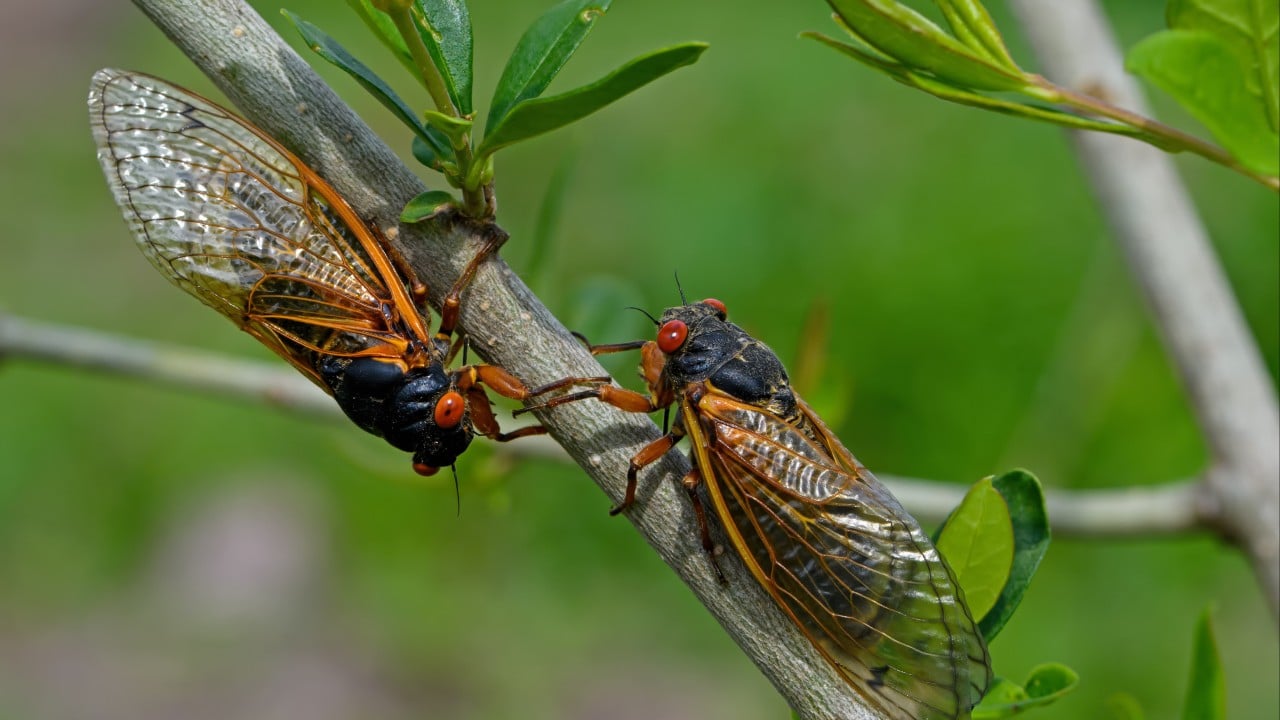
You pitch your tent expecting a peaceful weekend under the trees. Instead, you walk away four hours later unable to hear your phone notifications. Nature isn't always gentle on your body.
An 18-year-old student living in Ningbo, Zhejiang province learned this the hard way. After spending four solid hours camping deep in a dense forest during peak afternoon heat, he noticed a heavy, swollen feeling in his ears. High-pitched sounds like birdsong and mobile alerts had completely vanished from his perception. Medical professionals later diagnosed him with temporary high-frequency hearing loss brought on entirely by insect noise.
We assume natural sounds are inherently safe. That assumption is flat-out wrong.
The Math Behind Insect Noise
A single bug chirping away on a branch produces roughly 70 decibels. That volume is annoying, sure, but it won't wreck your inner ear. The problem starts when thousands of them swarm an area during blistering summer heatwaves.
Extreme temperatures act like a biological stimulant for these insects. They mate faster, pump up their volume, and turn a forest canopy into an acoustic nightmare. A full chorus easily blasts past 85 decibels.
That is the exact threshold where permanent hearing impairment begins.
What Actually Happens Inside Your Ear
When you sit beneath a roaring canopy for hours, sound waves hammer the cochlea. The fragile sensory structures inside, known as hair cells, experience severe stress and swelling.
Doctors call this temporary threshold shift. Your ears feel stuffed, muffled, or trapped underwater. If you remove yourself from the source and give your auditory system time to heal, those swollen cells usually bounce back within a couple of weeks.
Take note: that recovery only happens if the cells survive.
If you push past the pain and ignore chronic exposure, those hair cells die off completely. They do not regenerate. Once they are gone, permanent hearing loss sets in, leaving you dependent on medical assistance. Gardeners, outdoor workers, and heavy campers face this exact occupational hazard every single summer without realizing it.
How to Protect Yourself Outdoors
You don't need to lock yourself indoors all summer long. You just need to treat ambient forest noise with the same respect you'd give a construction site.
- Pack a pair of earplugs whenever you head into heavily wooded areas during peak hot seasons.
- Limit your continuous exposure in dense brush if the buzzing becomes deafening.
- Use a sound-measurement application on your phone if you suspect the decibel level is creeping past safe limits.
Treat nature like the loud environment it can sometimes be. Your ears will thank you later.