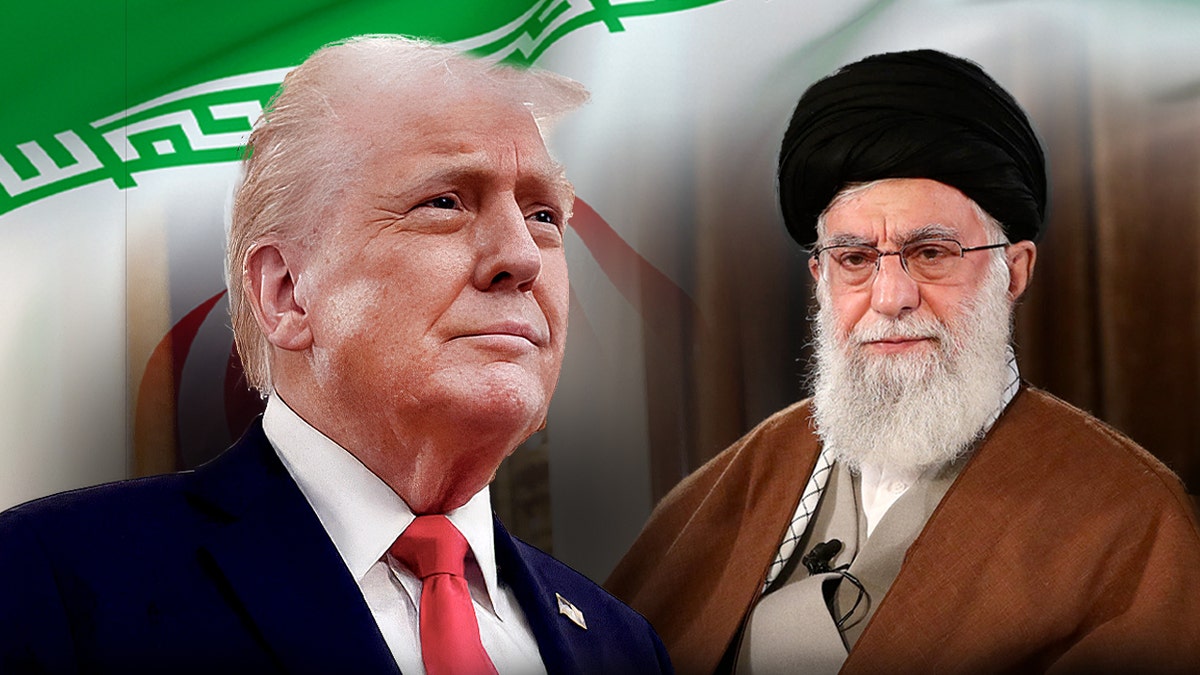
The headlines are screaming about a ceasefire. Washington is taking a victory lap, Tehran is playing hard to get, and the markets are breathing a sigh of relief. They shouldn’t. What you are witnessing isn't the beginning of a resolution; it is the institutionalization of a "forever friction" model that benefits everyone except the people on the ground.
Most analysts treat a ceasefire like a pause button on a video game. They assume that if the shooting stops, the logic of war has been defeated. That is a fundamental misunderstanding of regional power dynamics. In West Asia, a ceasefire is not peace. It is a logistical timeout used to refit, rearm, and recalibrate for a more efficient next round. You might also find this related article insightful: Why Security Council Reform is a Diplomatic Death Trap.
By framing the latest diplomatic shuffle as a "breakthrough," the media is selling you a narrative that ignores the cold, hard math of geopolitical leverage.
The Illusion of the Great Arbitrator
The consensus view is that the United States holds the remote control to regional stability. Trump’s announcement of an extended ceasefire is presented as an act of singular willpower. It isn't. It’s a desperate attempt to maintain the status quo in a region that has already moved past the unipolar era. As extensively documented in latest coverage by Associated Press, the implications are notable.
When Iran claims they "didn't ask for it," they aren't just being difficult. They are signaling that the traditional carrot-and-stick routine from DC is broken. For decades, the West has operated on the assumption that every actor in the Middle East has a price. We assume they want integration into the global financial system, stable oil prices, and a seat at the table.
They don't.
Iran and its proxies aren't looking for a seat at your table; they are building a different room. The "lazy consensus" says that sanctions and diplomatic pressure will eventually force a rational actor to fold. But rationality is subjective. If your goal is ideological survival and regional hegemony, a "ceasefire" dictated by a Western power is merely a suggestion, not a solution.
Why Markets Love Lies
Wall Street thrives on the "de-escalation" trope. Every time a statesman mentions a truce, oil futures dip and defense stocks stabilize. This is a massive misallocation of capital based on a lie.
Investors are pricing in a return to "normalcy." But what is normal in a region where the underlying triggers—water scarcity, youth unemployment, and sectarian divides—remain untouched? A ceasefire doesn't fix a broken power grid in Beirut or a currency collapse in Tehran.
If you are betting on regional stability because of a press release, you are ignoring the "Experience" factor. I’ve watched portfolios get incinerated because traders believed the ink on a treaty was more powerful than the munitions in a warehouse. True expertise in this field requires acknowledging that peace is often more expensive than war. A ceasefire is cheap. Rebuilding a nation’s infrastructure and social fabric is a trillion-dollar endeavor no one is actually willing to fund.
The Proxy Paradox
The competitor's article focuses on the big players: the US and Iran. This is a rookie mistake. The real disruption happens in the gaps between the state actors.
Consider the "Proxy Paradox." A ceasefire between states often triggers an increase in activity by non-state actors. Why? Because when the main players are forced to stop punching each other directly, they funnel more resources into their shadows.
- Scenario A: State A and State B sign a truce.
- Result: State A increases funding to insurgent groups in State C to maintain pressure on State B without violating the letter of the agreement.
This isn't a theory; it’s the standard operating procedure for regional conflict. By focusing on the official ceasefire, we lose sight of the asymmetric warfare that actually dictates daily life. The "People Also Ask" questions usually revolve around "When will the war end?" The honest, brutal answer is that it won't. It will just change its shape, moving from high-altitude bombing to cyber-attacks, targeted assassinations, and economic sabotage.
The Logic of the "No-Deal" Deal
Why would Iran say they didn't ask for a ceasefire? Because in the Middle East, appearing to need peace is a sign of terminal weakness.
Diplomacy here is a high-stakes poker game where showing your hand is a death sentence. By publicly rejecting the American narrative, Tehran maintains its "resistance" credentials. They get the tactical benefits of the pause without the political cost of appearing subservient to Washington.
This is the nuance the "lazy consensus" misses. They see a conflict; we see a negotiation. They see a ceasefire; we see a strategic pivot.
The Cost of the "Quick Fix"
The danger of the current diplomatic path is that it prioritizes short-term political wins over long-term structural stability. Extending a ceasefire for a few weeks looks great on a 24-hour news cycle. It does nothing to address the core grievances.
If we were serious about stability, we would stop talking about "ceasefires" and start talking about "resource equity." But that’s hard. That requires a rethink of how we value energy, borders, and sovereignty. It’s much easier to tweet about a truce and hope the explosion happens on someone else's watch.
The downside to this contrarian view is obvious: it’s cynical. It suggests that the current diplomatic efforts are largely performative. But if we don't admit that the performance is failing, we can't begin to build something that actually works.
Stop Asking if the War is Over
The question is flawed. The war isn't a single event with a start and end date. It is a persistent state of competition.
Instead of tracking ceasefire extensions, track the flow of small arms. Track the price of bread in the suburbs of Damascus. Track the recruitment rates of militias that haven't been mentioned in a White House briefing in years. These are the real metrics of peace, and they are all trending in the wrong direction.
We are addicted to the "breakthrough" narrative because the alternative is admitting that we have no real control over the situation. We are spectators at a tragedy, trying to convince ourselves we are the directors.
The next time you see a headline about a ceasefire, don't look at the signatures. Look at the logistics. Look at who is moving where while the cameras are focused on the podium in DC. Peace isn't found in a press release. It's found in the silence that follows the total exhaustion of all parties—and we are nowhere near that point yet.
Stop buying the hype. The ceasefire isn't the end of the war; it's the intermission before the third act.