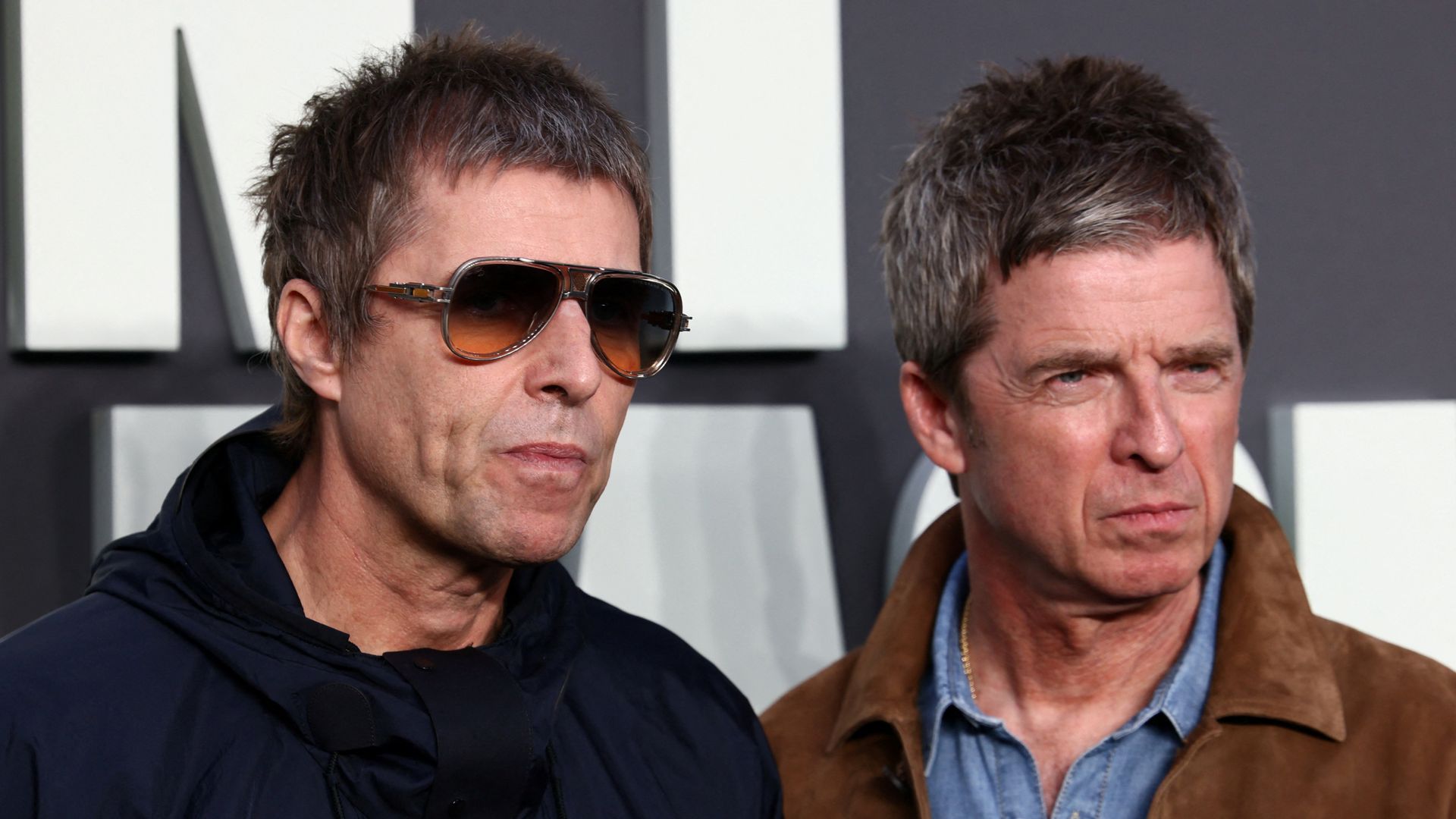
Everybody loves to pretend the celebrity machinery has been democratized. The standard narrative claims that podcasts like Who Weekly map out a new, egalitarian era where anyone with a ring light and a microphone can command attention. Mainstream culture pundits love this story. It makes them feel democratic. It makes the audience feel powerful.
It is also complete nonsense.
The celebrity industrial complex has not been dismantled. It has been outsourced to you for free.
When media analysts look at modern pop culture, they see a sprawling, chaotic ecosystem of micro-influencers, niche TikTokers, and C-list reality stars. They call it a shift in power. I call it the greatest margin expansion in the history of the entertainment sector. Studios and agencies stopped paying publicists millions to manufacture artificial mystique. Instead, platforms built a system where ordinary people exhaust themselves manufacturing it for free, chasing the algorithmic dragon while major talent agencies harvest the data and monetize the attention.
Let us dismantle the lazy consensus.
The Myth of the Fragmented Star
The primary misconception is that fragmentation equals democratization. The narrative goes that because we no longer have three network television channels feeding us monocultural movie stars, power has shifted from Hollywood gatekeepers to the masses.
Look closer at the mechanics. True fame requires scarcity. Scarcity is expensive to manufacture, but it holds immense economic leverage. What modern social platforms have done is replace true scarcity with infinite abundance, which is another way of saying overproduction.
When thousands of niche internet personalities fight for micro-slices of attention, they are not seizing the means of cultural production. They are driving down the cost of human capital to near zero. Major entertainment conglomerates no longer need to develop talent, invest in multi-picture deals, or risk capital on unproven commodities. They simply monitor the algorithm, spot the cheapest self-sustaining internet micro-celebrity who has already built a free audience, and absorb them into a licensed podcast network or a branded reality series on a margin that would make a Wall Street arbitrageur blush.
I have watched digital networks acquire bootstrapped creator properties for pennies on the dollar, strip away the creator's equity, and monetize their community while the creator thanks them for the exposure. The game hasn't changed. The house just lowered its overhead.
Who Cares About Who
Let us talk about the specific obsession with bottom-tier celebrity culture, the kind dissected on weekly pop culture podcasts that categorize stars into "Whos" and "Thems."
The psychological trap here is clever. By laughing at people who are marginally famous—reality contestants from dating shows nobody watched, influencers who bought their followers, actors who had one line in a straight-to-streaming thriller—the audience feels like media critics. You feel like an insider because you know who a C-list influencer is.
It is a coping mechanism. The audience is drowning in an ocean of manufactured relevance, so they turn evaluation into a game. Labeling people as "Whos" gives you a false sense of control over a media ecosystem that is actually steering your attention every second of the day. You think you are mocking the machine, but you are performing free QA testing for its lowest-value products. You are engaging with the content just to sneer at it, and the algorithm registers sneering as engagement. The metric goes up. The ad dollars clear.
The Economics of Hyper-Niche Relevance
Let's look at the financial architecture of modern celebrity.
Decades ago, a movie star commanded twenty million dollars a picture because they single-handedly shifted global box office receipts. They were a centralized risk. Today's digital celebrity commands nothing upfront. They monetize through fragmented affiliate links, sponsored skin-care routines, and Patreon tiers where lonely strangers pay fifteen dollars a month to feel like they are texting a friend.
This is not empowerment. It is piecework.
The modern digital star is a gig worker with better lighting. They have no health insurance, no residual structure, no union protection, and no staying power. The moment their engagement dip begins, the platform algorithm throttles their reach, and the audience moves on to the next fresh batch of cannon fodder.
The downside of this contrarian view is stark: it means the golden age of artistic risk-taking is dead. When fame requires continuous, daily algorithmic compliance—posting three times a day, feeding the beast, reacting to every micro-scandal within forty-eight hours—artists don't have time to make great art. They have time to make content. There is a vast, unbridgeable chasm between a creator and an icon. We traded icons for inventory.
Stop Asking Who is Famous and Ask Who Profits
The questions people ask about modern fame are fundamentally broken.
People ask: "How do these niche internet personalities break through the noise?"
The real question: "Why are you paying attention to noise manufactured by algorithms designed to monetize your anxiety?"
People ask: "How can I build a personal brand in the attention economy?"
The real question: "Why do you want to build a business model that depends on a tech monopoly not changing its API next Tuesday?"
If you want to understand where cultural power actually resides, stop looking at who is trending on TikTok or being broken down on pop culture recap shows. Look at the balance sheets of the talent agencies, the streaming platforms, and the venture capital funds buying up podcast networks. They are not laughing at the "Whos." They are trading them like pork belly futures.
Stop treating your attention as a spectator sport. Every time you consume, mock, or dissect micro-celebrity trivia, you are validating a system designed to extract your time and monetize your boredom.
Log off. Turn off the recap. Build something real that doesn't require a five-second view count to justify its existence.