Chips don't make themselves. Long before a processor lands in a smartphone or data center, it needs a brutal chemical foundation that few people outside a cleanroom ever think about.
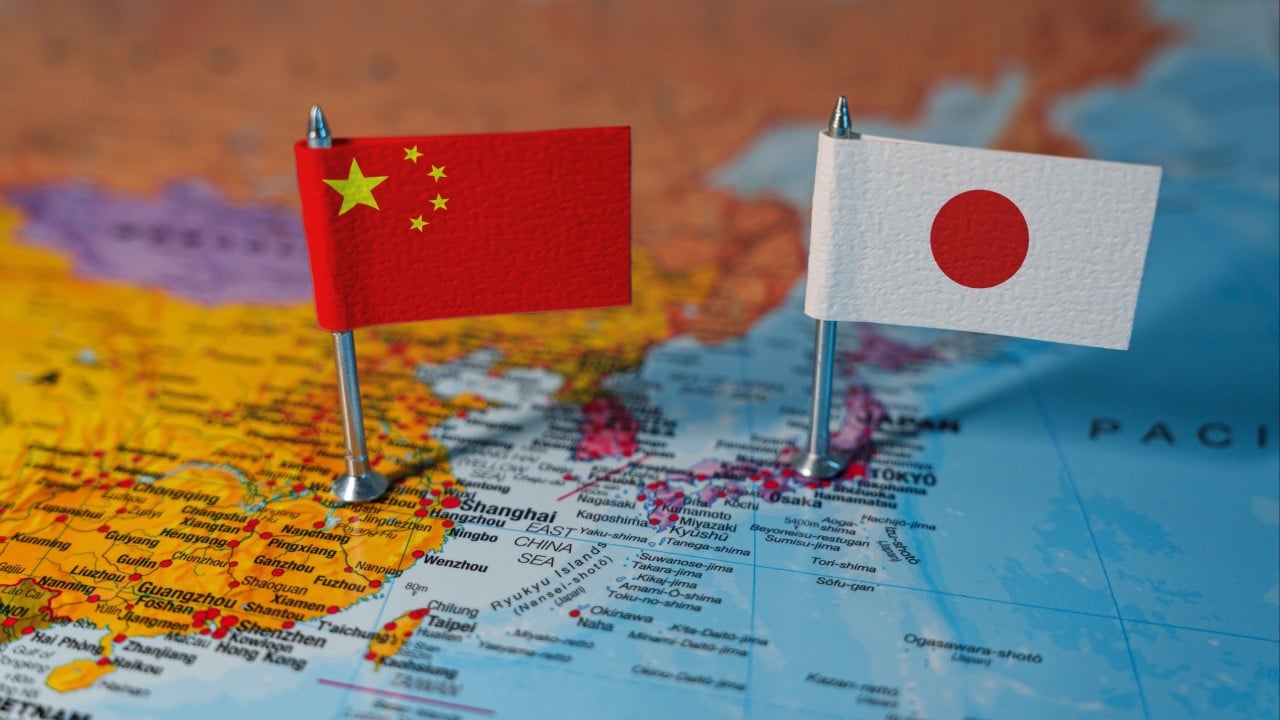
China's Ministry of Commerce just dropped provisional anti-dumping measures on dichlorosilane (DCS), a specialized chemical gas imported straight from Japan. If you think this is a boring trade dispute over tariffs, look closer. Importers bringing in DCS from Japanese heavyweights like Shin-Etsu Chemical now face eye-watering cash deposits of up to 99.2%. You might also find this connected coverage insightful: The Structural Failure of Public Sector Governance in the Artificial Intelligence Economy.
Beijing claims domestic producers suffered material injury from unfairly cheap foreign imports. Anyone watching East Asian tech politics knows there is a much bigger game unfolding behind the scenes.
What DCS Actually Does Inside a Silicon Fab
You can't build modern logic or memory chips without thin films, and you can't lay down those microscopic films without DCS. It acts as a primary precursor gas during epitaxial growth and chemical vapor deposition. As extensively documented in recent reports by TechCrunch, the effects are widespread.
When you need to deposit pure silicon layers for advanced nodes, you reach for DCS. Japanese chemical companies built a generational monopoly here because their purity levels routinely exceed 99%. Purity matters when a single stray particle ruins an entire silicon wafer worth thousands of dollars.
For years, Chinese semiconductor foundries relied on these Japanese imports because domestic alternatives simply couldn't match the consistency. That dependency is precisely what Beijing wants to shatter.
The Mechanics of the 99.2% Deposit Shock
The provisional ruling establishes tiered penalty deposits based on the supplier. Shin-Etsu Chemical takes the hardest hit at 99.2%, while Denal Silane faces 80.8%, and every other unnamed Japanese supplier catches the maximum 99.2% rate.
Importers cannot just absorb these fees. The math breaks down immediately. When customs forces you to stash nearly double the value of your shipment in a non-interest-bearing deposit before clearing goods, your profit margins evaporate overnight.
This investigation didn't materialize out of nowhere. It kicked off back in January 2026 after local industrial applicants petitioned the government. Investigators spent eight months connecting rising import volumes with falling market prices, arguing that foreign suppliers intentionally undercut local players to starve them out.
The Geopolitical Undercurrents
Trade law provides the paperwork, but geopolitics provides the momentum. This ruling follows months of escalating friction between Tokyo and Beijing over export controls, regional security stances, and tech containment.
When governments start weaponizing anti-dumping investigations, commercial logic takes a back seat. Japan holds massive leverage in the upstream semiconductor supply chain, ranging from photoresists to specialty gases. China holds massive leverage as the world's largest consumer and assembler of finished electronics.
By slapping near-prohibitive deposits on Japanese DCS, Beijing is forcing domestic chipmakers to pivot hard. Procurement managers across Shenzhen and Shanghai are scrambling right now to qualify local chemical suppliers like Tangshan Sunfar or alternative regional sources.
Where the Chip Supply Chain Goes From Here
Short-term pain is guaranteed. Transitioning away from established Japanese chemical lines risks production hiccups, lower yields, and costly requalification cycles for fab lines.
Long-term, the playbook is obvious. Domestic substitution remains the core directive of China's industrial policy. Every time an external supply channel gets pinched, local firms receive an enormous financial incentive to close the quality gap.
If you manage supply chain risk in electronics, stop treating chemical inputs as commodities you can swap out on a whim. Audit your bill of materials today, map out your tier-three chemical dependencies, and find out whether your key precursors originate from suppliers caught in the crosshairs of this trade war.