You can't engineer a river back to life when your neighbor holds the tap.
Right now, Bangladesh is walking into a multi-billion-dollar trap on the Teesta River. Dhaka recently turned to Beijing for a massive engineering overhaul of the Teesta basin, officially called the Teesta River Comprehensive Management and Restoration Project. It sounds brilliant on paper. Dig out the silt, build massive concrete walls, and reclaim miles of lost land.
But here is the brutal reality. The project doesn't add a single drop of water to a river that is actively bone-dry during the winter months.
The problem isn't the shape of the riverbed. The problem is that India diverts the water upstream, leaving Bangladesh with a trickle that plummeted from 10,000 cusecs in the 1990s to a miserable 300 cusecs in recent lean seasons. Trying to solve this by bringing in Chinese engineers isn't hydrology. It's high-stakes geopolitical poker, and Bangladesh is playing with a weak hand.
The Mirage of Engineering a Braided River
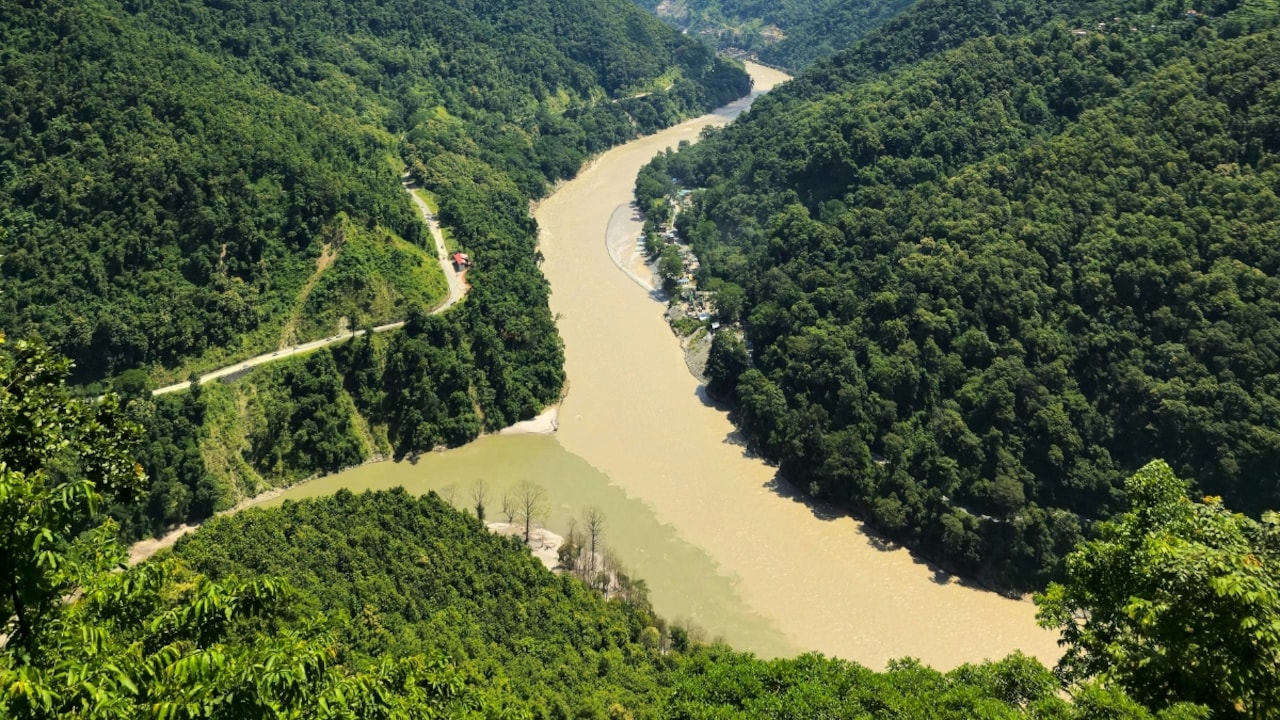
The core plan behind this $1 billion project is to force the Teesta into a straight line. The Teesta is inherently a braided river, meaning it naturally splits into dozens of shallow, shifting channels across a wide plain. It wanders. It deposits massive loads of Himalayan sediment.
Beijing wants to narrow this three-kilometer-wide natural expanse into a single, deep, one-kilometer channel hemmed in by 114 kilometers of rigid embankments.
Hydrologists are already raising red flags. When you squeeze a massive volume of monsoon water into a narrow space, the water speeds up dramatically. That increased velocity creates a huge risk of catastrophic bank erosion and intense localized flooding.
Even worse is the siltation crisis. The Teesta watershed dumps an astonishing 3,200 tons of sediment per square kilometer every year. If you lock the river in a tight channel, that sediment has nowhere to spread. Experts estimate that it would take less than a decade for the riverbed to fill right back up with silt, erasing the entire benefit of the original dredging. Bangladesh wouldn't just be buying a project. It would be buying a permanent, endless obligation to pay Chinese firms for non-stop maintenance dredging.
Squeezing the Chicken's Neck
Look at a map and you realize this isn't just about agriculture or water security. The Teesta flows directly along the edge of the Siliguri Corridor. This is India's famous "Chicken's Neck," a tiny 22-kilometer strip of land connecting mainland India to its volatile northeastern states.
By inviting Chinese state-owned firms like PowerChina to set up heavy equipment, radar, and long-term worker camps right next to this border, Dhaka is touching New Delhi's rawest security nerve.
India sees this as a deliberate encirclement strategy. Delhi had over a decade to deliver a fair water-sharing treaty with Bangladesh, but local political bickering in West Bengal constantly blocked it. Now that Bangladesh is looking to Beijing out of sheer frustration, Delhi is panicking.
But don't assume Beijing is acting out of pure altruism. This is about deep structural leverage. Beyond the river infrastructure, Chinese diplomats are quietly pushing Dhaka to adopt frameworks like the Global Development Initiative and tie into regional transport links running through Myanmar. They want to embed their presence so deeply into Bangladesh's logistics and environmental management that no future government in Dhaka can ever disentangle the relationship.
The Flawed Playbook of Borrowed Infrastructure
Smaller nations across South Asia keep making the exact same error, thinking they can outsmart global superpowers by balancing them against each other. Sri Lanka tried it with port investments and ended up leasing away their own sovereignty in Hambantota. Pakistan did it with massive energy corridors and is now trapped under mountains of unsustainable debt.
Bangladesh's interim government, led by Dr. Muhammad Yunus, is trying to walk an impossibly thin tightrope. He went to China to secure billions in trade and infrastructure, yet he still needs to assure India that their vital security interests aren't being compromised.
It's a dangerous illusion. In a region where India owns the physical water supply upstream and China owns the bank accounts building the infrastructure downstream, Bangladesh has very little margin for error. You can't use concrete walls to fix a diplomatic failure.
Instead of signing up for permanent debt and an ecological disaster, Dhaka needs to redirect its strategy immediately.
First, pause the implementation of the structural channelization project. Force an independent, transparent environmental assessment that includes local river communities and neutral international hydrologists. Don't let political desperation drive a bad engineering decision.
Second, pivot back to basin-wide diplomacy. Use the threat of Chinese involvement to force India back to the negotiating table, but demand multilateral tracking of actual water volumes at the border. If the water doesn't cross the border, no amount of Chinese dredging will save the northern farmlands.


