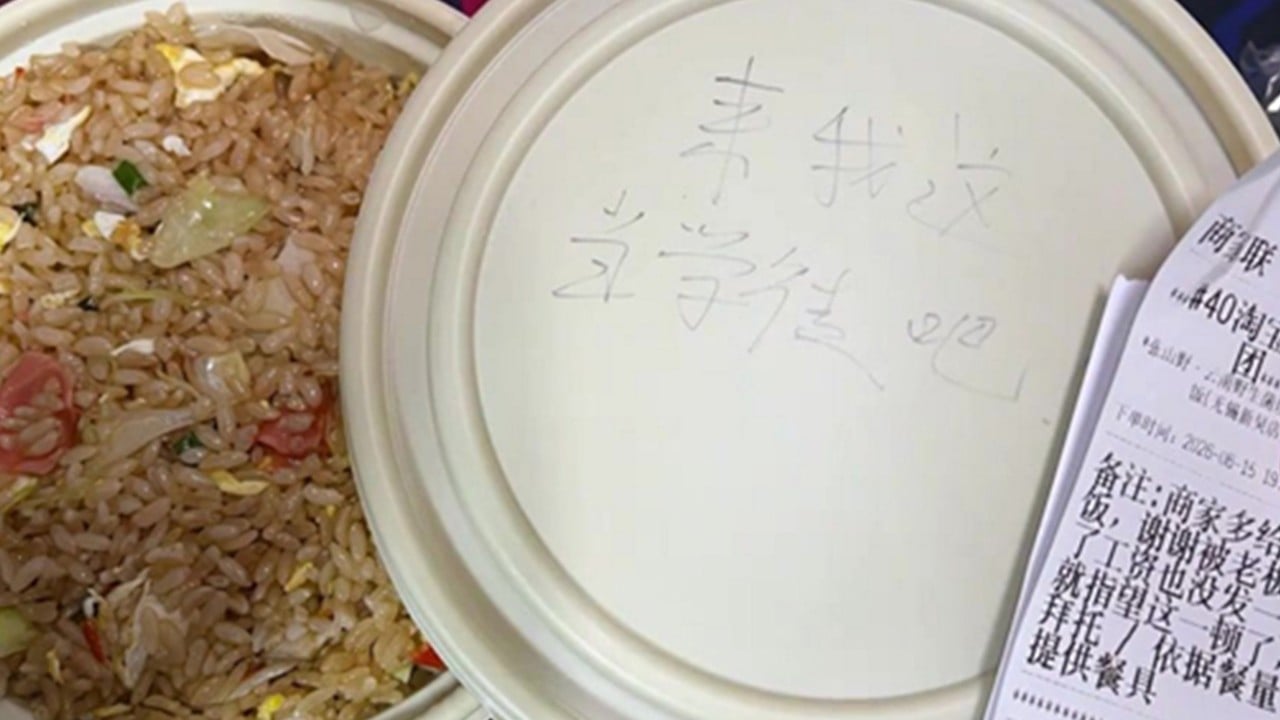
Small acts of kindness don't just warm the heart. They expose the gaps in our formal social systems and show how everyday people step up when institutions fall short. Recently, a viral story from China captured this reality perfectly. A cash-strapped man walked into a local diner and quietly asked the owner if he could purchase an extra portion of plain white rice. He was clearly scraping by on a tight budget. Instead of merely handing over a scoop of grain, the restaurant owner pulled off a quiet, dignified surprise that resonated with millions of people online.
The owner packed a massive container of rice but secretly buried a generous serving of meat and vegetables right at the bottom. He didn't make a scene. He didn't record a flashy video for social media clout. He just handed over the food, ensuring the customer could eat a nutritious meal without feeling the sting of public charity.
This simple gesture is part of a much larger, fascinating phenomenon happening across independent eateries. It reveals how small business owners are becoming accidental social workers.
The Reality Behind the Viral Extra Rice Story
When you look closely at this incident, it becomes clear that it isn't an isolated case of random generosity. Across many cities, local mom-and-pop shops are dealing with customers who face severe economic strain. The diner owner understood a fundamental piece of human psychology. Poverty often carries an intense burden of shame. By hiding the food underneath the rice, the owner protected the man's dignity. The customer didn't have to look like a beggar in front of other patrons.
This approach reflects a deep cultural concept often seen in community-based charity. It relies on mutual respect rather than pity. In many traditional neighborhoods, the relationship between a shopkeeper and a resident is built on years of daily interactions. The shopkeeper knows when someone is missing a meal. They know when a regular worker suddenly falls on hard times.
How Quiet Charity Keeps Communities Alive
People often think that solving hunger requires massive corporate foundations or bureaucratic government programs. While those large frameworks matter, they often move too slowly. A hungry person needs a meal right now, not after filling out three pages of paperwork.
Small restaurants have unique agility. They control their inventory. They see the community face-to-face every single day. When a business owner decides to absorb the cost of a meal, they aren't looking at profit margins. They are investing in the social fabric of their immediate street.
This practice has actually become somewhat formalized in various regions through informal codes. For instance, many diners across East Asia have quietly adopted systems where anyone struggling can order a specific, coded phrase—often referred to in some areas as a Set Menu A—and receive a free hot meal with no questions asked. The bill is picked up by the house or covered by previous customers who left extra money behind. It operates on complete trust.
Why Keeping It Quiet Matters for True Social Support
We live in an era where internet videos often turn charity into a performative spectacle. You have likely seen videos where creators hand money to unhoused individuals while keeping a camera shoved directly in their faces. That isn't pure altruism. That is content creation.
The restaurant owner in this viral story did the exact opposite. The incident only came to light later because of security camera footage or accounts shared after the fact by witnesses, not because the owner sought instant internet fame. True community support thrives when the recipient isn't turned into a prop for someone else's digital brand.
When you give quietly, you validate the other person's humanity. You treat them as an equal who happens to be experiencing a temporary setback. This builds a network of trust. The person who received help today is far more likely to pay it forward tomorrow when their situation improves.
What Diners and Customers Can Do Next
If you want to see this kind of support thrive in your own local neighborhood, you don't need to open a restaurant yourself. You can take direct, practical steps to strengthen your local food ecosystem.
First, identify the independent, family-run eateries in your area. These small businesses operate on razor-thin margins and are the ones most likely to support vulnerable neighbors. Eat there regularly. Your patronage keeps their doors open, giving them the financial breathing room to offer a helping hand to others.
Second, look into pay-it-forward programs at your local coffee shops or diners. If they don't have one, ask the manager if you can purchase a gift card or leave extra cash behind to cover a meal for the next person who walks in short on funds. It is a simple, direct way to ensure that the next person who needs an extra scoop of sustenance gets it without a single worry.