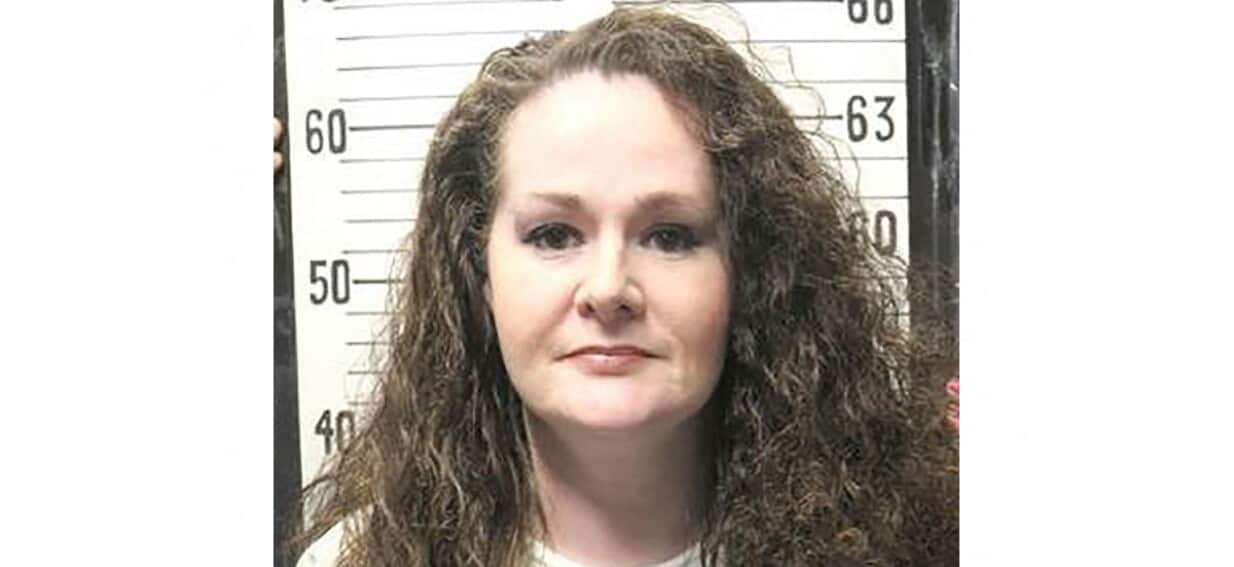
Capital punishment in the United States rarely goes according to script. On September 30, 2026, Tennessee attempted to execute Christa Pike, the state's long-standing death row inmate. It did not work. Instead of a routine procedure, the execution turned into a catastrophic failure that left Pike alive, conscious days later, and at the center of a roaring constitutional firestorm.
If you've followed the headlines, you know this case is unprecedented in modern American history. But the real story isn't just about a failed protocol. It's about what happens when state-sanctioned machinery breaks down completely, leaving courts and legal scholars scrambling for answers. Discover more on a related topic: this related article.
Inside the Execution Chamber on September 30
The timeline of what happened inside Riverbend Maximum Security Institution is grim. Witnesses watched as execution teams struggled for over an hour to set an IV line, reportedly using roughly ten needles across multiple sites. Pike even warned officials that her arm felt like it was about to burst.
Despite these glaring warning signs, two doses of pentobarbital were administered. Minutes ticked by. Pike moved, kicked off her sheets, and breathed. Rather than confirming death, the chamber dissolved into confusion. Mediators and witnesses were rushed out, an ambulance was called, and Pike was rushed to an off-site hospital unconscious and placed on a ventilator. Additional journalism by The New York Times delves into similar views on this issue.
Days later, she woke up. In a public statement dictated to her lawyers, Pike described waking up alone, deeply confused, and enduring unrelenting physical and emotional pain ever since.
Why This Case Changes the Legal Landscape
Most historic "failed executions" involved stopped procedures before any chemicals entered the body—usually because executioners simply could not find a usable vein. Pike's case is entirely different. Drugs were pushed, the protocols played out, and she survived.
This puts the state of Tennessee and the federal judiciary in uncharted territory. Legal experts immediately pointed to historical precedents like the 1947 case of Willie Francis, a teenager who survived an electrical chair malfunction in Louisiana. In that instance, the U.S. Supreme Court ruled that a subsequent execution attempt did not violate the Eighth Amendment's prohibition against cruel and unusual punishment, framing the failure as an "accident".
Yet times have changed, and so has legal scrutiny. Pike’s defense team has pushed aggressively to preserve evidence, including inspecting the leftover pentobarbital, while arguing that the sheer physical trauma of the botched attempt violates core constitutional protections. Furthermore, questions about lasting cognitive damage or severe physical injuries could form the basis of entirely new blocks against a second execution attempt.
Governor Bill Lee responded to the fiasco by halting all remaining state executions for the rest of the year and ordering an independent review. But a pause doesn't solve the core dilemma.
The Bigger Picture of Capital Punishment Bottlenecks
The broader conversation around capital punishment often gets bogged down in abstract moral arguments. This case strips away the abstraction and forces a hard look at the mechanics. When states rely on increasingly secretive drug compounding pharmacies, poorly trained execution teams, and rushed protocols, mistakes multiply.
Pike has spent decades behind bars following her conviction for the 1995 murder of Colleen Slemmer. Her original crime was brutal, a fact her defense team doesn't dispute. Yet the state's mandate is to carry out a sentence cleanly and humanely—a standard it fundamentally failed to meet.
Right now, Pike remains under sentence of death, even as she recovers from the severe burns, blistering, and physical trauma caused by the botched procedure. Whether Tennessee will attempt a second execution or whether the courts will step in permanently remains completely unresolved. One thing is certain: the fallout from this night will dictate how lethal injection protocols are challenged for years to come.