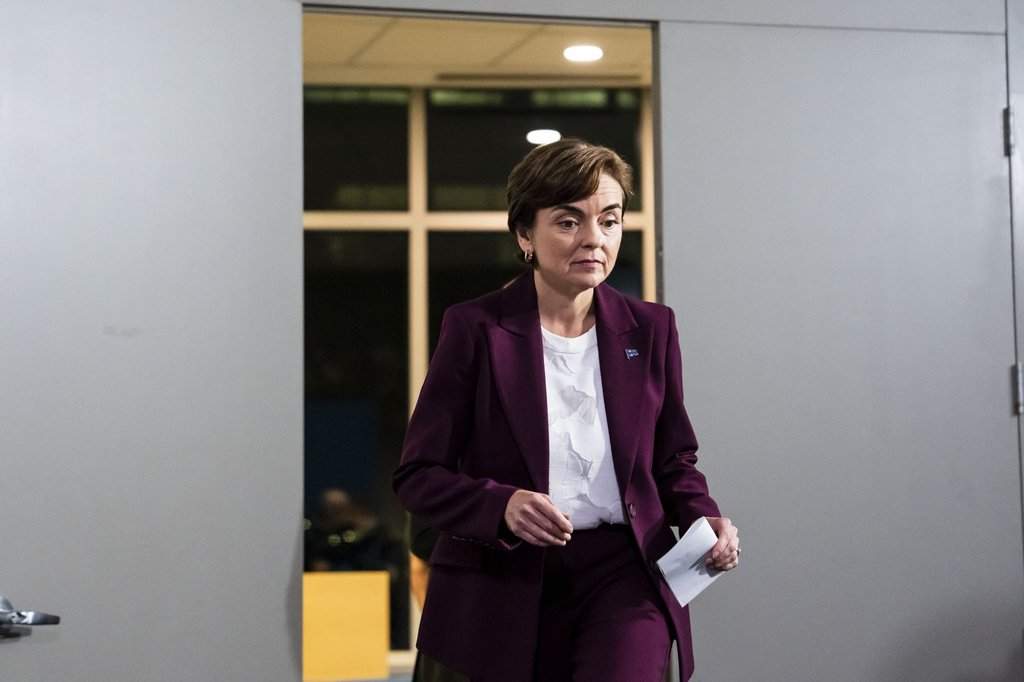
We’ve all watched it happen. A crumbling organization or a flailing political party hits rock bottom, panics, and suddenly hands the steering wheel to a woman. Months later, wreckage is everywhere, and talking heads act surprised. When Christine Frechette took over the Coalition Avenir Québec (CAQ) and stepped into the premiership in early 2026, she inherited an administration running on fumes. By October, after an electoral wipeout, the inevitable post-mortems began. Did she face a classic political glass cliff, or was this just standard electoral math? The answer reveals an uncomfortable pattern in how we hand out leadership roles.
The concept isn't new. Back in 2005, researchers coined the term "glass cliff" after noticing that corporate boards were far more likely to promote women into executive positions during times of crisis or imminent failure. It's a setup. You get the title, but you also get a collapsing foundation, zero runway, and all the blame when the structure finally caves in.
Frechette's brief tenure fits this mold almost too neatly. She took the helm of a deeply unpopular party burdened by years of voter fatigue and heavy political baggage. With only a few months to try and rebrand a sinking ship before a general election, her odds were practically zero. Political scientists immediately drew parallels to Kim Campbell taking over a collapsing federal Progressive Conservative party back in 1993, or Kathleen Wynne facing an impossible uphill battle in Ontario.
Nobody wants to inherit a disaster. Yet women leaders keep stepping into these exact roles. Why? Because stable, safe seats with strong majorities usually stay locked down by entrenched incumbents—often men. When a party is healthy, power rarely changes hands. When it's imploding and nobody else wants to touch it, the door suddenly opens.
Frechette herself didn't shy away from the reality of the situation during her concession speech, pointing out how rarely women have held the top job in Quebec's history. She noted that leadership opportunities for women remain far too scarce, especially when the deck isn't stacked against them from day one.
We need to stop treating these events as isolated bad luck. When political parties hand over failing brands to female leaders right before an election cycle, it isn't an act of progressive empowerment. It's often a calculated sacrifice. The party gets a temporary face-lift, avoids internal bloodletting among senior male caucus members, and leaves the incoming leader to absorb the blow of an inevitable defeat.
If we want genuine equity in high-stakes politics, representation has to mean more than letting women take the fall for institutional rot. Parties need to hand over healthy power, not just a glass cliff disguised as an opportunity.