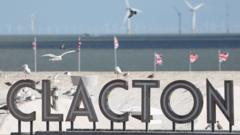
Step onto the pier in Clacton-on-Sea, and you quickly realize that national headlines about political theatrics feel a million miles away from the daily grind of local residents. People here aren't tracking every microscopic twist of parliamentary procedure. They want to know when their local high street will stop bleeding shops, why getting a doctor's appointment feels like winning a lottery, and whether their next MP will actually show up when the cameras leave.
Politics in this Essex constituency has always operated on its own frequency. While Westminster pundits obsess over party strategy, voters on the ground are dealing with very concrete pressures. They live in a community with deep-seated economic challenges, an aging demographic, and infrastructure that struggles to keep pace with demand.
The Reality Behind the Rhetoric
When a constituency becomes the epicenter of a high-stakes political firestorm, it's easy to lose sight of the actual human beings living there. In recent polling and local focus groups, residents frequently express a mix of deep cynicism and stubborn hope. Some voters view their high-profile representation as a masterstroke in putting the area on the map. Others see it as a distraction from the unglamorous work of fixing local services.
Take immigration and public services, for instance. According to local salience data, immigration consistently ranks near the top of public concern here. But scratch beneath the surface, and that anxiety isn't abstract. It translates into real questions about school places, housing availability, and waiting times at local GP surgeries. Voters want an MP who connects these national debates to the physical capacity of Clacton's hospitals and roads.
What People Actually Expect From Their Representative
Ask a random person walking along the seafront what they want from their MP, and you rarely get a policy white paper in response. You get a starkly practical wishlist.
First, physical presence matters enormously. Voters remember who is visible in the constituency on a rainy Tuesday in November, not just during a summer media event. When an MP splits their time between domestic duties and international travel or media appearances, resentment builds fast. People want someone whose primary address and focus remain rooted in the district.
Second, residents expect straight answers about local investment. Clacton has spent decades dealing with economic deprivation and seasonal employment cycles. Promises of regeneration sound hollow after years of waiting. Voters want tangible economic plans that bring year-round jobs, rather than quick soundbites designed for television studios.
Third, there is a profound weariness regarding political self-interest. Whether the discussion turns on parliamentary expenses, financial scrutiny, or sudden electoral maneuvers, ordinary voters are tired of drama that centers on the politician rather than the public.
Cutting Through the Noise
The disconnect between national political games and local desires has never been starker. When elections or by-elections turn into referendums on a single high-profile personality, the actual needs of the community often get sidelined.
If you want to understand what Clacton voters truly want, look past the theatre. They want functioning public services, economic revival that lasts past September, and a representative who treats the constituency as a home rather than a stage. Until Westminster politics aligns with those basic expectations, the skepticism running through this Essex town will only deepen.