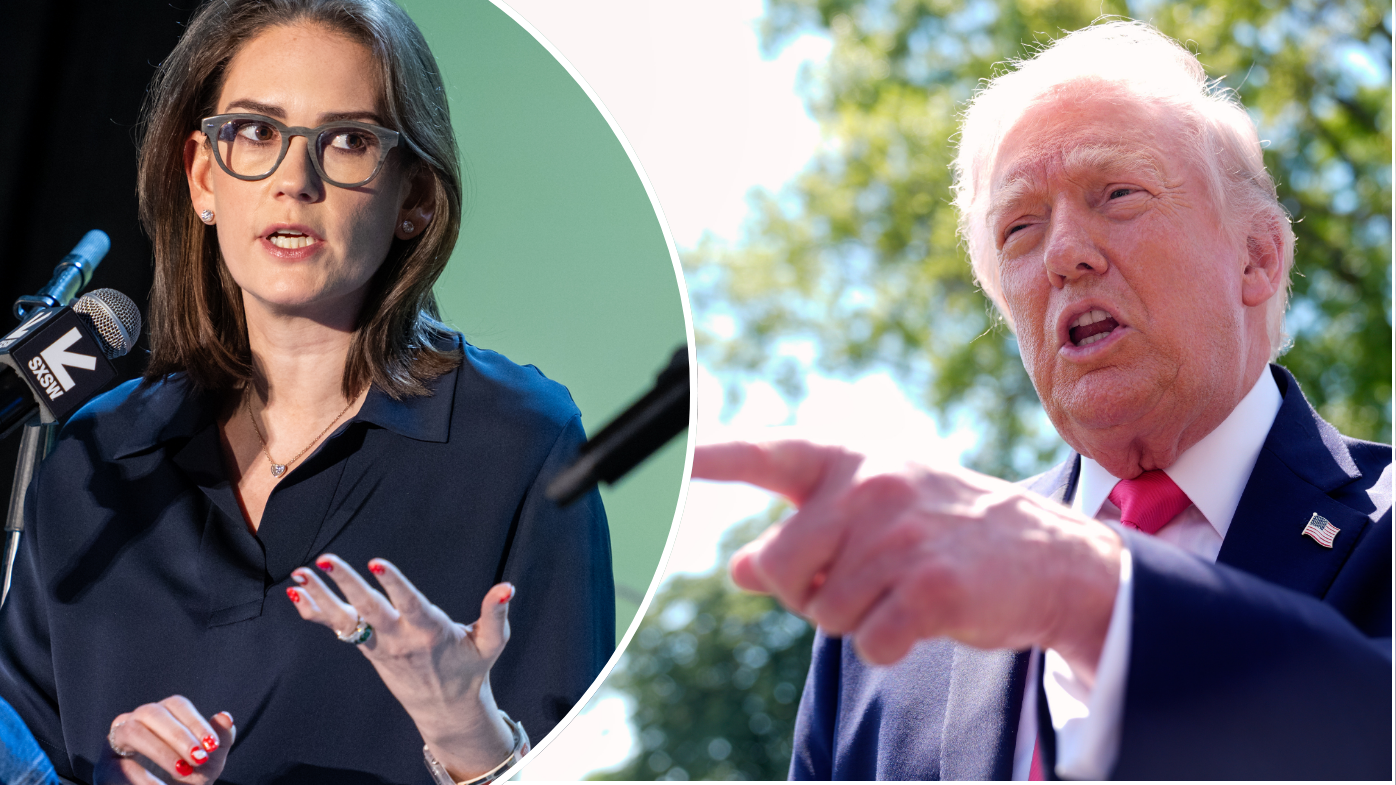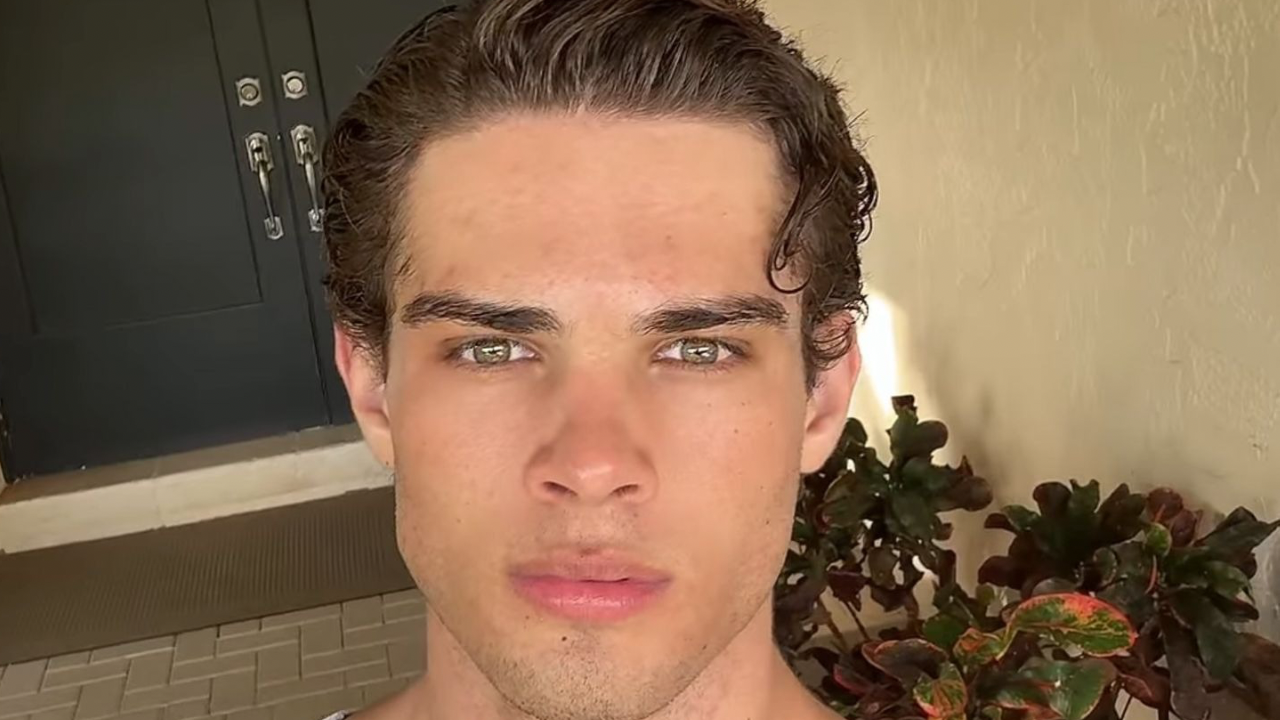
The music industry just watched another train wreck happen in slow motion and nobody seems surprised. Clavicular, the artist who spent the last year climbing every indie chart that matters, is currently at the center of a terrifying spiral. We aren't just talking about a "difficult period" or the standard rockstar cliché of partying too hard. This is a systemic collapse. When news broke about the overdose, the immediate reaction from the public was a mix of shock and "I saw this coming." But the real story isn't just the medical emergency. It’s what happened in the forty-eight hours after Clavicular left the hospital.
Leaving a medical facility early against doctor recommendations is a massive red flag. Doing it while your PR team is simultaneously jumping ship suggests the infrastructure meant to protect the artist has completely disintegrated. It's messy. It’s public. Frankly, it’s a blueprint for how not to handle a mental health crisis in the spotlight.
The Hospital Exit That Should Have Never Happened
Medical professionals don't suggest extended stays for fun. When an artist of this caliber is admitted for an overdose, the standard protocol involves stabilization, observation, and usually a psychiatric evaluation to determine if they're a danger to themselves. Reports indicate Clavicular checked out well before the recommended window. This wasn't a "recovery complete" moment. It was a "get me out of here" moment.
Why does this matter? Because it shows a total lack of gatekeeping. Usually, a management team or a family liaison acts as the voice of reason. They’re the ones who say, "You aren't going anywhere until you're stable." Instead, we saw a hollowed-out support system that let a vulnerable person walk back into the world while they were still physically and mentally reeling. It’s a failure of care that borders on negligence.
If you're looking for someone to blame, don't just look at the artist. Look at the people who get paid a percentage of their earnings. Where were they?
PR Teams Are Running for the Hills
The most telling part of this entire disaster is the sudden silence from Clavicular’s long-term PR firm. Usually, when a celebrity hits a rough patch, the publicists go into overdrive. They issue statements about "privacy" and "focusing on health." They try to control the narrative.
This time? They didn't just stay quiet. They cut ties.
When a PR firm drops a high-profile client in the middle of a health crisis, it almost always means one of two things. Either the client has become "unmanageable"—code for refusing to follow any professional or medical advice—or the firm realizes they can't spin the truth anymore. PR professionals are paid to lie, or at least to massage the truth into something palatable. If they’re walking away, it’s because the situation is so toxic that even they can’t find a silver lining.
This abandonment creates a vacuum. Without a professional team to manage the flow of information, the artist is left at the mercy of social media rumors and predatory paparazzi. It's a dangerous spot to be in. You have a person who is clearly struggling with substance issues, now isolated from the very professionals who were supposed to be their shield.
The Myth of the Tortured Genius is Killing People
We need to stop romanticizing this. There's this lingering, disgusting idea in music culture that drug use and mental instability are just part of the "creative process." We see it in the way fans talk about Clavicular’s lyrics, as if the pain expressed in the songs justifies the physical destruction of the person writing them.
It's a lie.
Pain doesn't make the music better; it just makes the artist shorter-lived. The industry thrives on this "tortured soul" aesthetic because it sells records and builds "authentic" brands. But when the "authenticity" turns into a literal overdose in a hotel room, those same brands are the first to distance themselves.
The industry loves the tragedy until it becomes a liability.
Accountability in the Era of 360 Deals
Most modern artists are signed to 360 deals. This means the labels have a hand in everything—touring, merch, digital sales, and even the artist’s public image. If they’re taking a cut of everything, they should be responsible for the human being at the center of the machine.
But that's not how it works.
The label’s primary interest is the "asset." If the asset is broken, they look for ways to recoup their investment before it’s too late. We see this play out time and again. Pressure is applied to get back on the road. Tour dates aren't canceled; they're "postponed" to keep the insurance companies happy. The artist is treated like a product with a shelf life rather than a human with a heart.
What Happens When the Support System Dissolves
When the PR team leaves and the hospital doors close behind you too soon, you're in a freefall. Clavicular is currently in that freefall. The lack of a cohesive statement or a clear path to rehab suggests there is no plan.
In these situations, the "yes-men" usually fill the void. These are the hangers-on who don't care about the artist's sobriety because their own lifestyle depends on the artist staying "fun" and "generous." Without a professional management structure to kick these people out, the cycle of use and abuse just accelerates.
It’s a grim reality. You see it in the grainy fan-shot videos and the cryptic Instagram stories. The artist is surrounded by people, yet they are completely alone.
Breaking the Cycle of Music Industry Burnout
If we want to actually "save" artists like Clavicular, the approach has to change. It can't just be about PR cleanup.
- Mandatory Health Clauses: Contracts should include mandatory, label-funded mental health support and addiction counseling that isn't tied to performance metrics.
- Accountability for Management: If a manager allows a clearly intoxicated or unstable artist to perform or leave medical care early, there should be professional consequences.
- Fan Responsibility: Stop praising "raw" performances that are clearly fueled by a breakdown. If an artist looks like they're dying on stage, don't cheer. Demand they get help.
The Clavicular story doesn't have to end in a "Behind the Music" tragedy. But right now, the signs are pointing toward a very dark finish. If you're a fan, stop looking for more music and start hoping for a long, quiet period of absolute silence. Silence is often what recovery sounds like.
The next few weeks are critical. Without a professional intervention or a total change in scenery, the "early hospital exit" might be the last major headline we see before something far more permanent happens. Pay attention to who stays in the room when the lights go out. Those are the only people who actually matter. Everyone else is just waiting for the next trend.
Check the sources of your news. Avoid the tabloids that are currently bidding on "exclusive" photos of the aftermath. Support the artist by respecting the boundaries they should have been given in the first place.