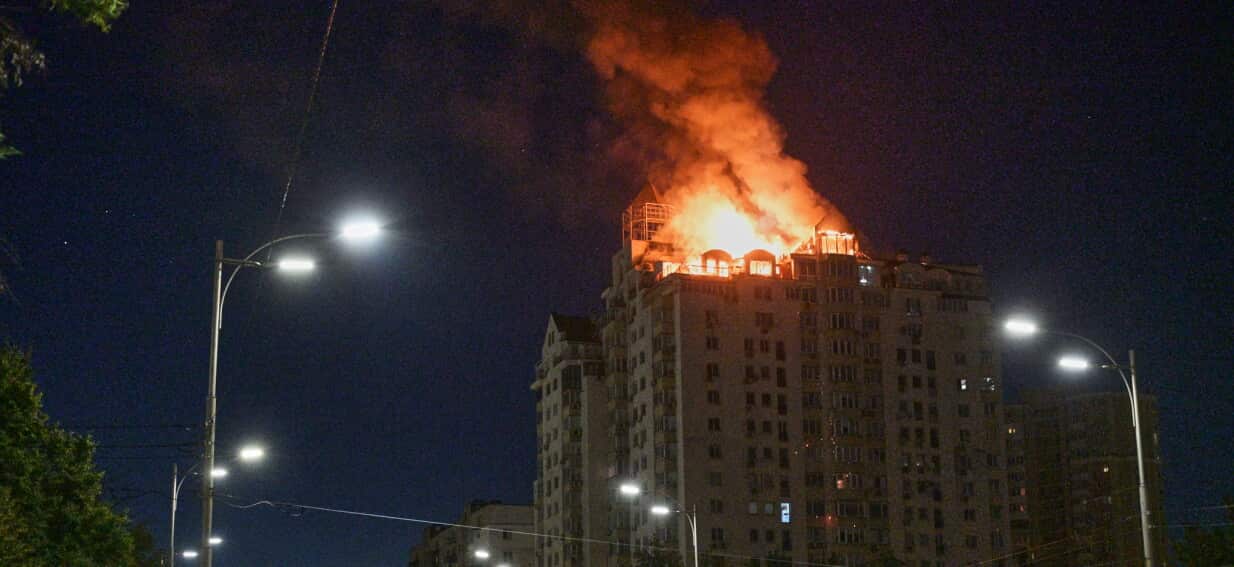
Media coverage of Eastern European heatwaves loves a predictable script. A summer temperature spike hits Hungary or Ukraine, and the immediate response is a flurry of articles lamenting "unprecedented" scorched earth, framing weather events as sudden, isolated existential shocks. This reporting relies on a lazy consensus. It treats temperature as an isolated metric, ignoring the deeper structural and economic realities that actually dictate whether a region thrives or collapses under environmental stress.
The obsession with raw temperature data misses the point entirely. A 40°C day in Budapest is not fundamentally a meteorological crisis; it is an infrastructure and economic stress test. When commentators wring their hands over "scorching heatwaves," they fail to look at the grid architecture, agricultural subsidies, and macroeconomic policies that turn manageable seasonal variance into headline-grabbing disruptions.
The Thermometer Illusion
Mainstream climate reporting treats every heatwave like an unannounced alien invasion. This framing is fundamentally flawed. Central and Eastern Europe have always experienced continental summer peaks. The real issue is not that the mercury is rising, but that the regional infrastructure was designed for a centralized, mid-20th-century industrial blueprint that no longer exists.
When a heatwave hits Ukraine or Hungary, the panic centers on agricultural failure and energy grid collapse. Yet, the data reveals a different story. Agricultural output fluctuates far more based on access to modern irrigation tech and EU farming capital than it does on a two-week dry spell.
Take Hungary’s agricultural sector. Legacy water management systems, left over from the communist era, are designed to drain water away from fields rapidly to prevent springtime flooding. They are completely unequipped to retain that water for summer use. When crops fail, blame gets pinned on the "scorching heatwave." In reality, the culprit is decades of bureaucratic inertia and misallocated infrastructure funds. The weather is just exposing the pre-existing rot.
The Grid Fallacy: Why Green Transition Narratives Backfire
The standard solution pushed by Western European commentators is simple: rapidly accelerate the transition to renewable energy to combat long-term warming. This advice is dangerous when applied blindly to Eastern Europe.
The energy grids in countries like Poland, Hungary, and Ukraine are highly rigid. They rely heavily on baseload power from coal or aging nuclear plants. Introducing massive, intermittent solar arrays without upgrading the underlying transmission infrastructure creates a recipe for disaster during peak summer demand.
- Peak Demand Reality: Air conditioning usage spikes during the hottest hours of the afternoon.
- The Intermittency Trap: Solar production peaks earlier in the day, dropping off just as residential cooling demands maximize in the late afternoon and early evening.
- The Result: Grid instability that requires firing up dirty, expensive peak-load gas plants anyway, or worse, localized blackouts.
I have spent years analyzing regional energy systems, and the reality is stark: forcing a rapid renewable transition onto an unprepared grid during a heat crisis creates more instability than the weather itself. The fixation on reducing carbon footprints tomorrow is actively crippling the grid's ability to keep the lights on today.
Dismantling the "People Also Ask" Assumptions
When public interest spikes during a heatwave, the questions typed into search engines look remarkably similar. Let’s dismantle the flawed premises behind them.
Is Eastern Europe becoming unlivable due to climate change?
This question is absurd. "Unlivable" is a term used by comfortable commentators who confuse discomfort with catastrophe. Parts of the Middle East and the American Southwest operate efficiently at temperatures 10 degrees higher than Eastern Europe’s worst heatwaves. The difference is adaptation, capital allocation, and air conditioning penetration. Eastern Europe isn't becoming unlivable; its outdated housing stock and lack of cooling infrastructure simply make hot summers highly inconvenient and economically inefficient.
Will heatwaves destroy Ukraine's agricultural output permanently?
No. Ukraine possesses some of the most fertile black soil (chernozem) on the planet. The threat to Ukrainian agriculture isn't the sun; it is the destruction of logistical corridors, lack of capital for modern no-till farming equipment, and an inability to access global insurance markets due to geopolitical conflict. Framing a bad harvest purely as a climate disaster ignores the geopolitical and economic chokeholds actually strangling the region's farmers.
The High Cost of Unconventional Adaptation
If the current approach is failing, what is the alternative? It requires a brutal reassessment of priorities. It means stopping the endless cycle of emergency disaster relief subsidies and instead forcing hard structural changes.
First, agricultural policy must shift from crop insurance payouts to mandatory soil-moisture preservation mandates. If a farm refuses to adopt no-till practices or modern drip irrigation, it should be cut off from state bailouts. This is a harsh stance that will bankrupt inefficient, legacy farming operations. It is a painful economic medicine, but it is the only way to build a resilient agricultural sector.
Second, the energy sector must prioritize grid hardening over green optics. This means investing heavily in high-voltage direct current (HVDC) lines and massive grid-scale battery storage, rather than just building more solar farms to hit arbitrary climate targets.
[Legacy System]: Rain -> Rapid Drainage -> Summer Drought -> Crop Failure -> State Bailout
[Resilient System]: Rain -> Managed Retention -> Controlled Irrigation -> Crop Survival -> Economic Independence
The downside to this contrarian approach is obvious: it requires immense capital upfront and will face fierce political resistance from legacy industries and populist politicians who prefer cheap, short-term fixes. But continuing to treat heatwaves as unpredictable acts of God, rather than predictable infrastructure challenges, ensures that every summer will bring the same panicked headlines and the same avoidable economic damage.
Stop looking at the sky. Look at the grid, the soil, and the capital flows. That is where the crisis is won or lost.