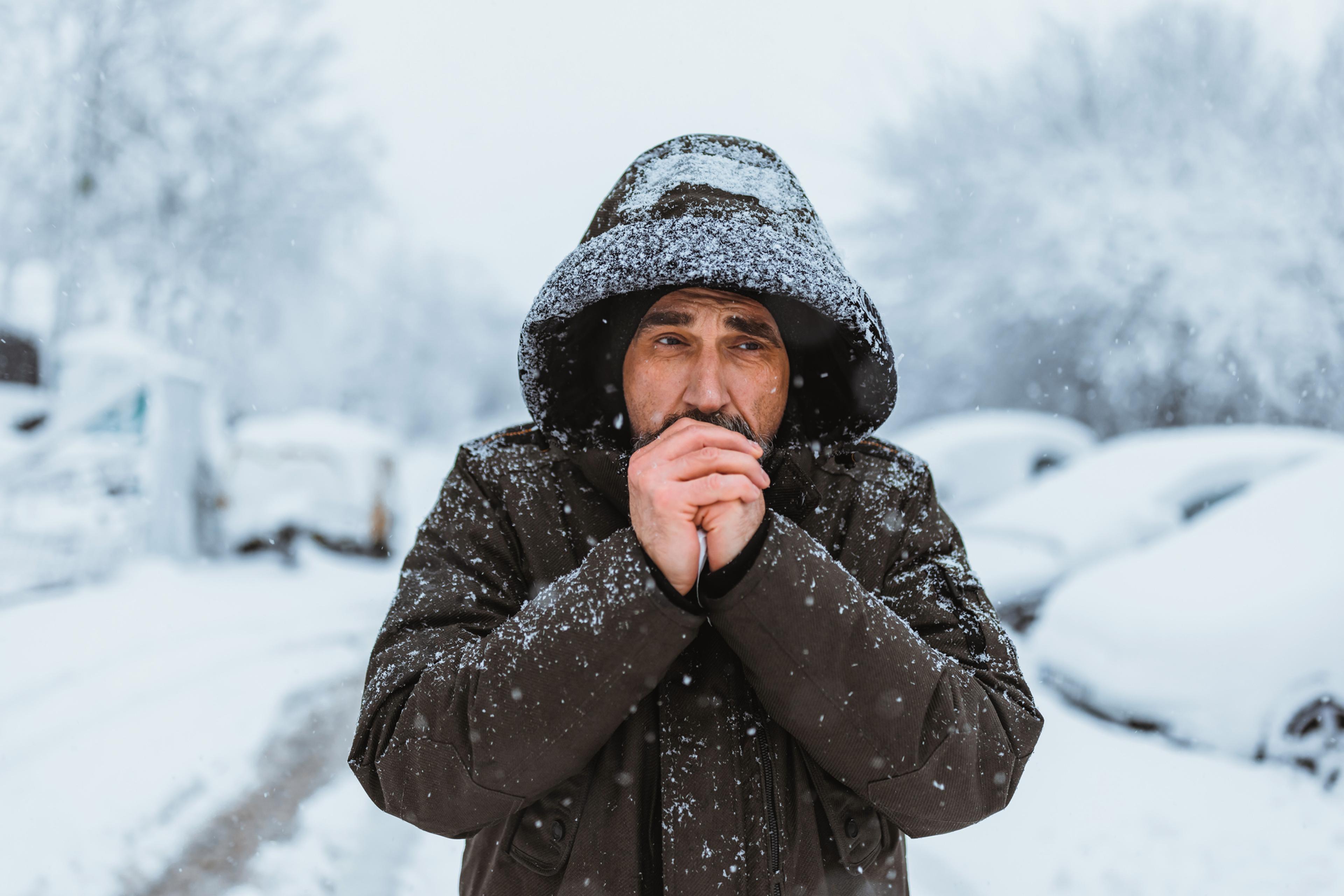
The wind in Reykjavik does not merely blow; it strips the paint from old wooden houses and tests the resolve of anyone foolish enough to walk down Laugavegur without a reinforced wool coat. Standing by the harbor, watching the black water slap against the hulls of trawlers that smell intensely of salt and cod, you feel the profound, solitary weight of an island floating in the middle of nowhere. For centuries, this isolation was a point of intense pride. Icelanders survived volcanic eruptions that choked out the sun, smallpox epidemics that decimated half the population, and centuries of Danish colonial neglect by clinging to one central dogma: we handle our own.
Yet, walk into a smoky café in the capital today, listen past the hiss of the espresso machine, and you will hear a different kind of tension. It is spoken in clipped, careful phrases over cups of black coffee. It is the murmur of a quiet, reluctant reckoning.
Consider a hypothetical fisherman named Einar, whose calloused hands have pulled nets from the freezing depths of the North Atlantic for forty years. Einar does not care much for geopolitical theories or the lofty rhetoric of trade blocs. But Einar cares deeply about the price of fuel, the quotas set by distant bureaucrats, and whether the European Union—that vast, humming machine of continental integration across the sea—might finally offer his grandchildren a predictable future. Or consider Katrin, a software developer in her thirties who pays for her groceries in Icelandic krónur, a micro-currency that dances wildly on foreign exchange markets every time a volcano coughs or a tourism wave recedes. Katrin looks at her monthly mortgage payment, tied to inflation indices that punish ordinary citizens for global shocks they had no hand in creating, and she wonders why her country insists on playing a lone hand in a poker game where the house always wins.
For decades, the official stance of Iceland toward the European Union has been a polite, firm closed door. The reasons are woven into the national identity. This is a nation that famously defended every square mile of its maritime borders during the Cod Wars with Britain, a series of asymmetrical naval skirmishes in the 1970s where Icelandic coast guard vessels snipped trawler nets to protect their fish stocks. Sovereignty here is not an abstract political science term; it is salted cod, geothermal energy, and absolute control over the waters that feed the economy. The fear of Brussels—of massive, faceless regulators dictating how many mackerel can be pulled from the sea or how agricultural subsidies should be distributed—runs deep.
And yet, reality has a way of eroding even the most stubborn walls.
The turning point is rarely dramatic. It arrives in the quiet accumulation of daily frustrations. It arrives when the cost of importing fresh produce spikes because the krónur has dipped again. It arrives when young professionals pack their bags for Copenhagen or Berlin because the domestic housing market is an impossible labyrinth, and the currency they earn back home buys less and less abroad.
Public sentiment in Iceland regarding EU membership has historically resembled a pendulum swung violently by economic weather. When the banking system collapsed in 2008, turning a modern, swaggering financial hub into a smoking crater in a matter of weeks, panic drove a desperate rush toward the EU door. Applications were filed. Hopes were pinned on the euro. But as the crisis receded, and as the tourism boom arrived like a tidal wave of gold, the old fears rushed back. The application was frozen, left to gather digital dust in a diplomatic drawer.
Today, the calculus is shifting once more. The world has grown colder, more volatile, and fiercely protectionist. Global supply chains snap with alarming regularity. In this turbulent global climate, standing completely alone starts to look less like heroic independence and more like dangerous exposure.
To understand why some politicians and citizens are tentatively reopening this forbidden conversation, you have to look at the numbers behind the emotion. Iceland is already deeply integrated with Europe through the European Economic Area agreement. It adopts a vast majority of EU single-market rules without having a single vote at the table where those rules are written. Imagine sitting in a restaurant, paying for a meal you had no say in ordering, and watching others decide the menu while you are told you must eat what is served. That democratic deficit chafes against the national pride of a people who trace their parliamentary traditions back to the Viking age of the Althing at Thingvellir.
There is also the quiet crisis of the currency. The krónur is a boutique currency for a globalized economy. It protects Iceland during specific downturns, but it also isolates it, inflating the cost of everything from medical equipment to digital infrastructure. Younger generations, deeply internationalized, fluent in English, and accustomed to a borderless digital existence, find the monetary nationalism of their grandparents increasingly archaic.
Yet, the stumbling block remains the sea. The fish.
Talk to a coastal politician from a small fishing village in the Westfjords, and the conversation will instantly pivot to the Common Fisheries Policy. To an Icelander, handing over management of the fishing grounds to bureaucrats in Brussels is akin to handing the keys of your house to a stranger. It is a non-starter. Any political movement that hints at compromising on fish is dead on arrival.
So the debate sits in a strange, suspended animation. It is a slow-motion collision between economic necessity and historical trauma. Opinion polls flicker back and forth, rarely offering a decisive mandate, reflecting an electorate that is deeply conflicted with itself. They want the stability, the lower interest rates, and the geopolitical anchor of Europe, but they refuse to surrender the fierce, stubborn autonomy that keeps them warm against the arctic dark.
The sun dips low over the Reykjanes peninsula, casting a bruised purple and gold light across the moss-covered lava fields. In the distance, steam billows from a geothermal plant, a reminder of the raw, untamed power beneath the earth here. Icelanders have always lived at the mercy of elements they cannot control. Whether they decide to step out of their splendid isolation and join the continental chorus remains one of the quiet, unresolved dramas of the modern North. The island waits at the edge of the map, watching the horizon, listening to the wind, wondering how much longer it can stand alone.