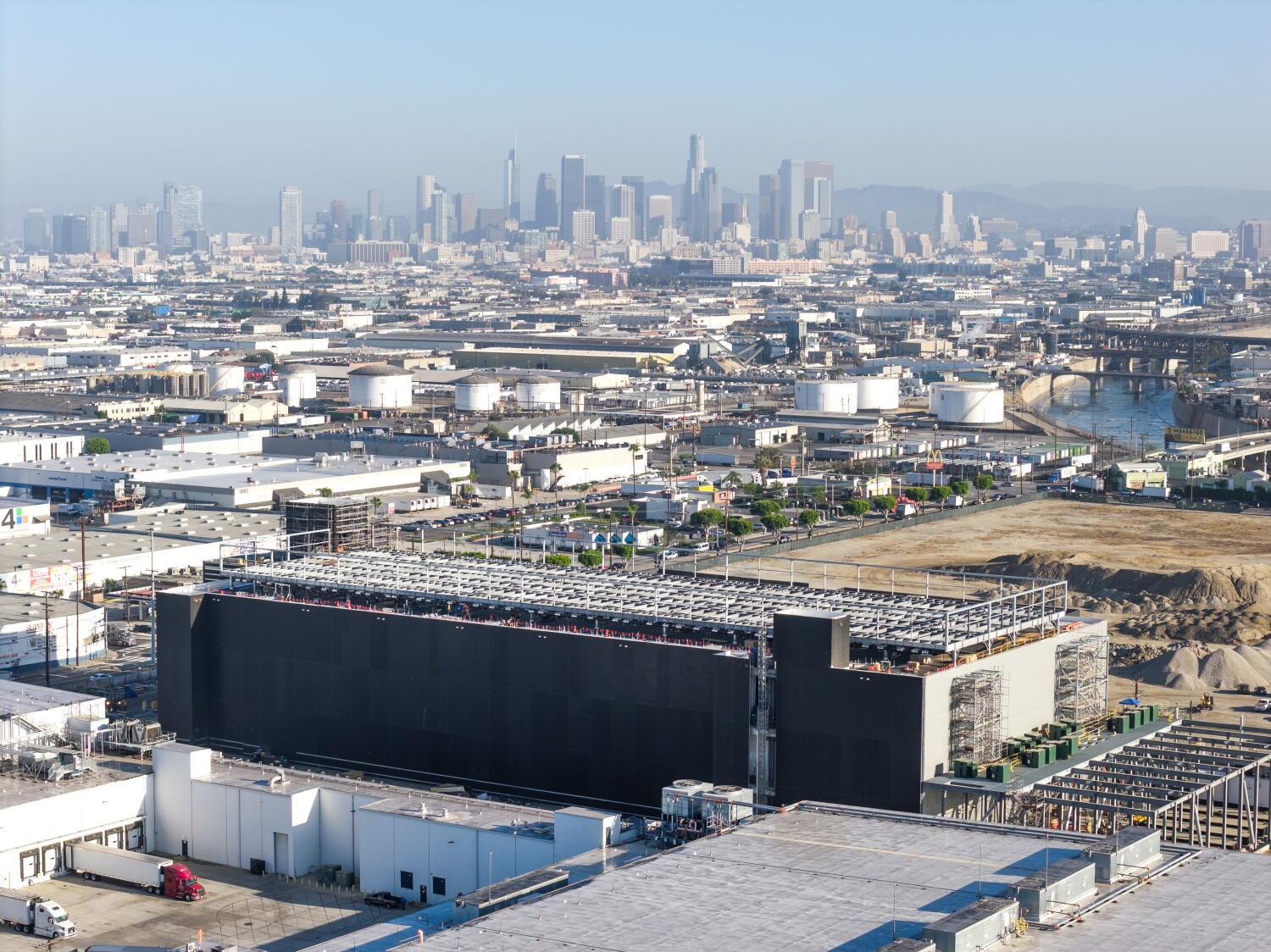
The coffee goes cold on the kitchen counter while the browser tab refreshes for the third time in ten seconds. For Elena, who has spent four years watching server architectures scale into the clouds from a cramped apartment in San Francisco, the zip code matters less than the math. The math is broken. A hundred miles to the south, inside data centers humming with liquid-cooled engines, trillions of parameters calculate the future of human thought. Meanwhile, back in the neighborhoods where the programmers sleep, three dozen offers land on a modest two-bedroom bungalow within forty-eight hours of the lockbox opening.
We talk about technology as if it were weightless. We treat code as a ghost that lives entirely behind glass, moving through fiber-optic veins without touching the soil. But every neural network requires electricity, and every engineer training that network requires a kitchen table, a roof, and a patch of earth. When the artificial intelligence boom accelerates, it does not stay in the cloud. It lands with a heavy, concrete thud right on the doorstep of the Bay Area housing market.
Consider what happens when a single startup pivots toward generative models and suddenly needs to hire fifty senior researchers by next quarter. These are not factory jobs of the twentieth century. These are positions commanding compensation packages that look like small municipal budgets. When those salaries hit the local economy, the bidding wars for ordinary shelter transform from simple real estate transactions into desperate auctions for stability.
To understand this pressure, one must look at the geography. The Bay Area is a crescent of ambition trapped between the cold Pacific Ocean and the steep, protected ridgelines of the Santa Cruz Mountains. You cannot easily pave over the redwoods to build tract housing. The physical supply of land is finite, carved up decades ago into zoning laws that prioritized single-family yards over density. Into this rigid container, a massive wave of capital has just been poured.
Elena knows this constraint intimately. She watches her peers bid against cash buyers who represent venture capital funds, corporate housing allotments, and founders flush with liquidity from secondary share sales. A house listed at one million dollars is no longer priced for the family earning a steady middle-class wage. It is priced as a floor for an auction. Within days, contingencies are dropped, inspections are waived, and keys change hands for six figures over asking, often sight unseen except through a high-definition video walkthrough.
The statistics bear out the human exhaustion. Inventory levels drop to historic lows while median home prices climb past thresholds that defy standard economic gravity. But numbers fail to capture the psychological toll. A region built on the romantic myth of the garage inventor now feels like an exclusive club where the entry fee requires generational wealth or a lottery win in the stock market. Teachers, nurses, firefighters, and municipal workers—the connective tissue that keeps any community functioning—find themselves commuting two hours each way, pushed further outward into the Central Valley simply to afford a roof over their heads.
There is a strange irony in watching the architects of tomorrow struggle to find a permanent place to sleep tonight. They build systems designed to optimize every human inefficiency, yet they remain entirely vulnerable to the most ancient and inefficient market of all: dirt and mortar. When the gold rush is digital, the pickaxes are expensive, but the real estate is where the miners have to pitch their tents.
We have seen this script before, of course. The dot-com frenzy brought its own madness, and the mobile revolution reshaped the peninsula with cranes and glass towers. Yet this current wave feels fundamentally different because of its velocity. The capital involved in scaling large language models dwarfs previous software cycles. It moves faster, concentrates wealth more aggressively, and demands physical proximity in a way that remote work was supposed to erase. Despite the promises of distributed teams, the biggest breakthroughs still happen when brilliant minds crowd into whiteboards in Mission District coffee shops or Palo Alto garages, fueling a hyper-localized demand for living space.
Walk down residential streets in Berkeley or Redwood City on a Tuesday evening, and you can feel the quiet friction. Behind the lit windows of Craftsman homes and Victorian flats, quiet negotiations are happening. Families are deciding whether to leave the only home they have known for twenty years because the property tax burden has shifted beneath their feet, or because their children have no statistical hope of ever buying a home in the zip code where they grew up.
The market responds with typical cold efficiency. Old apartment complexes are torn down to make way for high-density luxury complexes, altering the character of neighborhoods block by block. Construction cranes puncture the skyline like exclamation points in an ongoing argument about who belongs here. The tension between preservation and progress plays out at crowded city council meetings where exhausted residents argue over zoning variances and height limits, knowing that every new unit built is a drop in an ocean of demand.
We cannot separate the code from the concrete. Every advance in machine learning, every breakthrough in synthetic reasoning, and every server rack humming in a warehouse down the peninsula casts a long shadow over the residential streets above. The intelligence may be artificial, but the displacement is entirely real.
As the sun dips below the Pacific, casting long shadows across the hills of San Francisco, the porch lights flicker on across neighborhoods transforming overnight. The algorithms will keep running through the night, processing data at the speed of light. But down on the street, the human race for home continues, slow and heavy and bound to the earth.