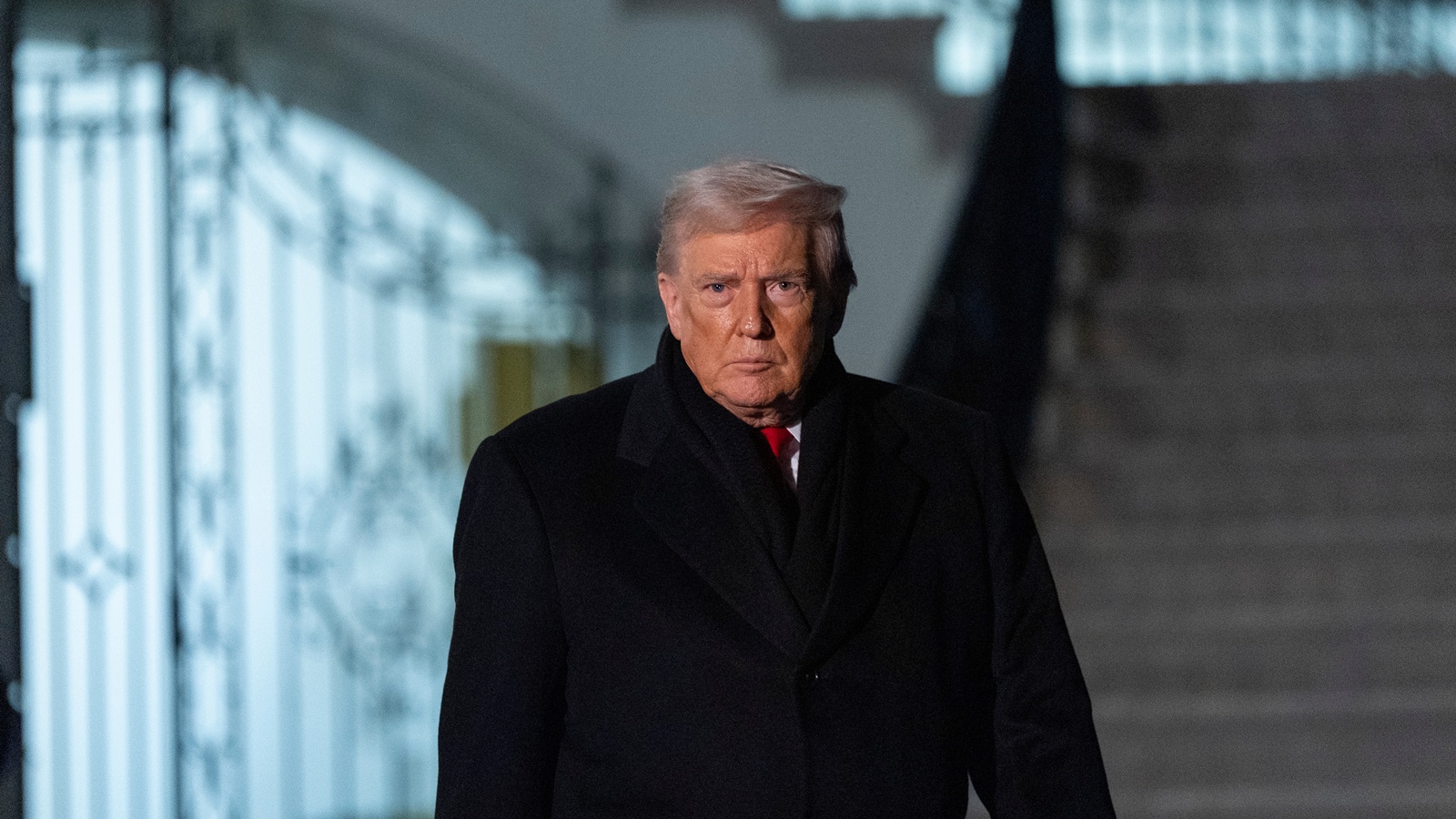
We've seen politicians enter office comfortable and leave wealthy. It's a standard story line driven by speaking tours, book deals, and board seats. But what's happening right now with Donald Trump's multi-billion dollar financial gains completely breaks the historical scale. We aren't talking about a few million from a memoir. Estimates show billions flowing through highly unusual corporate structures, meme stock surges, and speculative ventures.
The scale of this wealth generation has sent historians and financial analysts scrambling for parallels. Honestly, they aren't finding many. When you look closely at how the current administration's family and businesses are positioned, it becomes clear that the traditional boundaries between public service and massive private gain have been completely redrawn. If you found value in this article, you should check out: this related article.
The Mechanics of an Unprecedented Windfall
Most political wealth happens after the fact. You serve, you leave, you cash in. The current situation flips that model upside down by monetizing the presidency in real time.
Take the performance of Trump Media & Technology Group (TMTG), the parent company of Truth Social. From a traditional financial perspective, the numbers made no sense. The platform generated tiny revenues and massive losses compared to massive competitors like Meta or TikTok. Yet, the stock traded at astronomical multiples, frequently described by Wall Street analysts as a meme stock on steroids. Because the equity value was tied directly to Trump's political fortunes, his personal net worth swung by billions based on polling data and news cycles. For another look on this development, check out the latest update from Reuters Business.
It didn't stop with social media. The financial disclosures reveal an aggressive push into highly volatile markets:
- Front-End Crypto Ventures: Unlike everyday retail investors who buy digital assets hoping the price goes up, corporate filings showed structures where Trump profited on the front end. He made money off licensing and initial setups regardless of how the tokens performed later.
- Targeted Tariffs and Concessions: Foreign entities quickly figured out that the easiest way to navigate new trade policy was to appeal to direct commercial interests, leading to foreign approvals for branded projects like golf courses.
- Government-Backed Ventures: Family venture capital firms found themselves positioned near massive federal loans, including hundreds of millions from the Pentagon directed toward strategic manufacturing sectors.
This isn't just standard real estate appreciation. It's the monetization of political influence transformed into a liquid, tradeable corporate asset.
Looking Globally for a Parallel
When experts say there are few precedents for this in American history, they mean it. You can't compare this to Lyndon Johnson's TV stations or Warren Harding's friends in the Teapot Dome scandal. Those were tiny operations compared to a multi-billion dollar apparatus.
To find anything similar, you have to look outside the West. You have to look at post-Soviet nations in the 1990s or specific resource-rich states where the line between the treasury and the ruler's bank account simply didn't exist. In those systems, business leaders didn't succeed by inventing a better product; they succeeded by securing the favor of the palace. The difference here is that the palace itself is the one launching the stock ticker.
Former financial regulators have pointed out the unique danger of this setup. When an official's personal net worth is tied to a volatile stock or a crypto token, every policy decision, tweet, or executive order carries direct financial consequences for the person making the call.
Why the System Failed to Stop It
You might wonder how this is legally possible. The United States has strict ethics laws, right? Well, yes and no.
The primary tool for preventing executive branch corruption is the conflict of interest statute. But here is the catch: the president and vice president are explicitly exempt from many of these rules. The writers of the law worried that forcing a president to divest complex assets could interfere with their constitutional duties. The system relied heavily on norms and voluntary compliance.
When a leader decides to completely ignore those norms, the guardrails collapse. The Office of Government Ethics can issue warnings, but it lacks real enforcement teeth. Congress can investigate, but partisan gridlock usually prevents any meaningful legislative fix.
Furthermore, traditional market watchdogs like the Securities and Exchange Commission found themselves in a bind. How do you regulate a stock whose primary value is the public's perception of a political movement? When investors are buying a share purely out of political loyalty, standard metrics like price-to-sales ratios go out the window.
What You Should Do Next
If you want to track how this fusion of state power and private wealth impacts the broader economy, you need to look beyond the daily political headlines.
First, keep a close eye on mandatory federal financial disclosures. They provide the raw data on where the money is actually moving. Second, track the policy shifts in industries where executive family members hold concentrated investments, particularly in critical minerals, defense manufacturing, and digital finance.
The traditional playbook for political analysis is outdated. Understanding the modern political landscape requires thinking less like a voter and more like a forensic accountant. Take the time to look at the corporate filings, follow the licensing agreements, and monitor the equity shifts. That's where the real story is written.