The Desk by the Window
Ink used to dry before opinions reached the public square.
I remember the heavy wooden desks in foreign ministries, smelling faintly of old paper, pipe tobacco, and the cautious weight of statecraft. Telegrams arrived in cipher. They were decoded by men and women whose entire professional existence depended on a singular discipline: silence. A dispatch was not a tweet. A disagreement between neighboring capitals was not a status update waiting for validation through heart icons and angry retweets.
When you sit across a negotiating table from an adversary or an ally, your words are measured by the millimeter. You watch the micro-expressions. You notice when a tea cup rattles against its saucer. You gauge the pulse of a nation not by its trending hashtags, but by the quiet, trembling cadence of a diplomat choosing an adjective that will not spark a riot three thousand miles away.
Then came the screen.
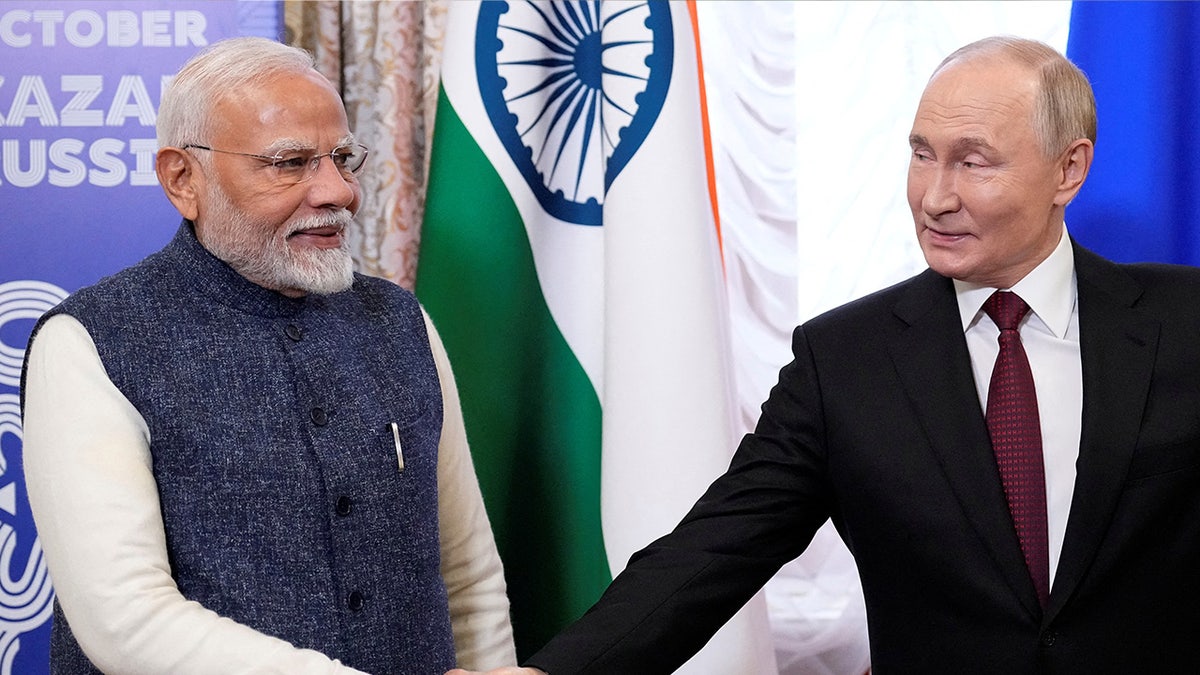
In Dhaka, foreign ministers watch the architecture of centuries-old regional stability tested by a phenomenon as light as air and as destructive as a wildfire: the digital broadcast. When a neighboring power handles sensitive bilateral matters through the glowing panes of social media networks, the rules of diplomatic engagement do not simply bend. They shatter.
Consider what happens when a government speaks to another government through a public broadcast rather than a closed diplomatic channel. It is like two people standing on opposite sides of a crowded canyon, screaming insults through megaphones instead of walking across the bridge to share a quiet cup of coffee. Everyone hears the noise. No one hears the nuance.
The Illusion of Instant Power
We live in an age that worships speed. We mistake velocity for progress.
When a sensitive cross-border dispute involving water rights, security borders, or minority protections is reduced to a character-limited post, something vital dies. Diplomacy requires ambiguity. It requires the soft corners where both sides can retreat without losing their domestic footing.
Imagine a hypothetical diplomat named Tariq, sitting in a dim office in Dhaka, staring at his phone at midnight. A neighboring minister has just dropped a fiery statement online regarding border security. Within seconds, thousands of comments flood the thread. Pundits amplify the outrage. Nationalists demand blood. The digital mob demands a response before the sun even rises.
Tariq has two choices. He can ignore the digital provocation and look weak to a domestic audience wired into constant outrage. Or he can reply in kind, turning a manageable bureaucratic friction point into a nationalistic showdown.
This is the core danger of Facebook diplomacy. It weaponizes the crowd. It converts ancient, delicate interstate relationships into spectator sports where the loudest voice wins and compromise is branded as treason.
Bangladesh's foreign minister recognized this pathology when he publicly criticized the tendency of neighboring officials to air bilateral grievances online. It was a cry for a return to sanity. It was an acknowledgment that when nations start negotiating via public status updates, they are no longer trying to solve a problem. They are playing to the gallery.
The Weight of Shared History
To understand why this digital megaphone diplomacy is so corrosive, you have to understand the geography of survival.
Bangladesh and India share more than a border. They share rivers that flood their homes, histories written in blood and liberation, trade routes that feed millions, and security concerns that keep intelligence officers awake at night. The relationship is a massive, breathing organism. It is complicated. It is messy.
When India helped birth Bangladesh in 1971, it was an act born of shared sacrifice. But history is heavy. It comes with historical anxieties, border enclaves, transit rights, and the perennial friction of big neighbor versus smaller neighbor dynamics. These are not problems that can be solved by a catchy thread or a viral infographic.
They require the painstaking work of diplomats who understand that words have physical consequences.
When a sensitive matter is thrown into the digital ether, context is stripped away. A nuanced policy discussion about river sharing becomes an existential threat in the minds of farmers three provinces away who read a distorted translation on their mobile phones. Fear spreads faster than fact. Panic travels at the speed of fiber optics.
I have seen the human cost of manufactured outrage. I watched communities turn on their neighbors because a fabricated rumor spread across social feeds unchecked. When state actors use those same networks to score cheap political points across international borders, they are playing with matches in a room full of gasoline.
The Art of the Whispered Word
Why do politicians do it?
Because it works—at least in the short term. In the attention economy, outrage is currency. A statesman who issues a sober, measured diplomatic note gets ignored by the algorithms. A politician who drops a provocative, nationalistic jab online gets millions of impressions, wall-to-wall cable news coverage, and an immediate surge of domestic approval.
It is political junk food. It tastes sweet in the moment, but it rots the body politic from the inside out.
True diplomacy is boring. It is slow. It happens behind closed doors where leaders can save face. If India and Bangladesh are to navigate their shared future—balancing economic integration, security cooperation, and regional stability—they have to drag the conversation out of the public square and back into the mahogany-paneled rooms.
Silence is a tool. Privacy is a shield.
When foreign ministers choose to chat on social media instead of picking up the secure red phone, they abdicate their primary duty. Their job is not to entertain the masses. Their job is to prevent wars, secure trade, and protect citizens from the collateral damage of political posturing.
The Final Reckoning
The screen in your hand glows in the dark. It tells you what to feel, whom to hate, and what to demand right now.
But out there on the border, the rivers keep flowing. The farmers keep planting. The guards keep watch through the fog of dawn. They do not care about the trending topics in the capital. They care about whether tomorrow will bring peace or conflict.
Until our leaders remember that governing is an act of quiet stewardship rather than digital performance, we will remain hostages to the algorithm.
The next time a major cross-border dispute flares up across your feed, look past the shouting. Look at who is benefiting from the noise. And remember that the most important decisions in human history were never made by a crowd tapping a screen. They were made in silence, by weary human beings who knew that the alternative was too terrible to type.