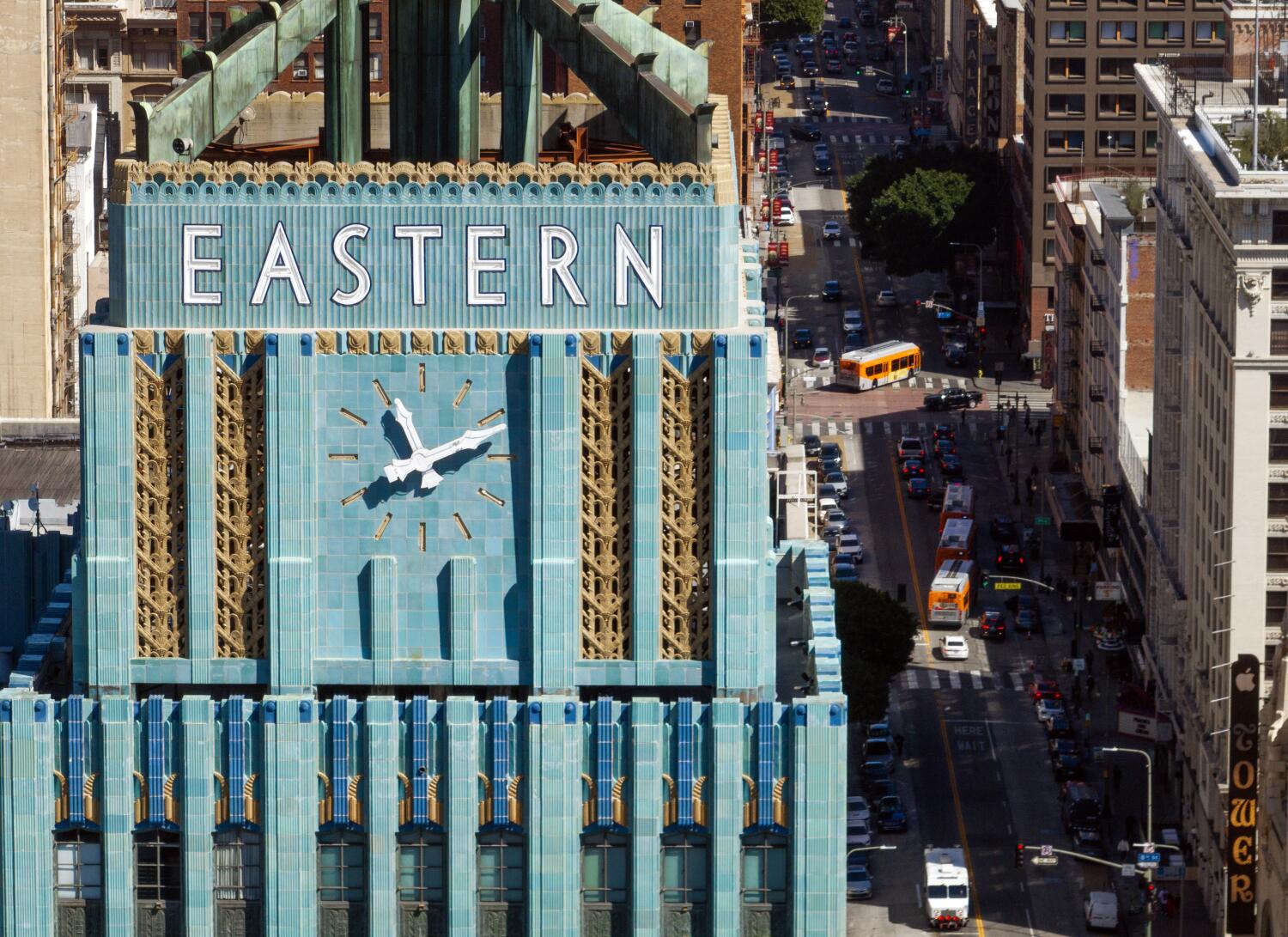
California is obsessed with chasing an illusion. Every few months, the state legislature or a ballot measure flirts with the idea of locking the clock, usually pointing toward permanent Daylight Saving Time (DST). The narrative pushed by politicians and sunny-day optimists is always the same: extra sunshine in the evening will magically fix our seasonal depression, boost the economy, and give everyone time for a post-work surf.
It is a lie.
The collective desire to stay on permanent DST is a triumph of marketing over biology. We are attempting to fix a cultural problem—our rigid, industrial-era work schedules—by rewriting how we measure planetary rotation. In the process, the public ignores a mountain of hard data, historical precedent, and basic human physiology.
If California permanently locks the clock to daylight saving time, it will not usher in a golden era of endless summer. It will initiate a public health crisis of chronic sleep deprivation, increased traffic fatalities, and metabolic ruin.
The 1974 Experiment We Conveniently Forgot
Proponents of permanent DST talk about the shift as if it is a brilliant, untried concept. They treat the clock like a dial they can adjust to optimize human happiness.
We already tried this. It failed spectacularly.
In January 1974, during the energy crisis, President Richard Nixon signed a bill putting the United States on permanent Daylight Saving Time for a two-year trial. The logic was identical to the arguments heard today: save fuel, cut crime, and give people more afternoon light.
The public approval rating for the move was over 70% when the bill was signed. Within three months, that approval cratered to less than 30%.
Why? Because winter arrived.
Imagine a January morning in Sacramento under permanent DST. The sun does not rise until 8:30 AM. Children are standing on dark, freezing street corners waiting for school buses in pitch-black conditions. Workers are commuting in midnight-like darkness. In 1974, after six children were killed in traffic accidents in Florida due to the morning darkness, the public outcry was so severe that Congress scrambled to repeal the law. By October 1974, the nation retreated back to standard time.
The human brain does not care about legislative whims. It cares about photons.
The Fraud of the Evening Economy
The driving force behind the permanent DST lobby is not your health. It is your wallet.
Follow the money and you find the retail, golf, and barbecue lobbies. The Association of Convenience Stores and the golf industry have spent decades pouring millions into extending DST. Why? Because a sunnier evening means you buy more gas, spend more money at outdoor shopping malls, and play an extra nine holes after work.
They sell you the lifestyle, but you pay with your circadian rhythm.
When we shift the clock forward, we are effectively forcing our bodies to live one hour ahead of the sun. The human internal clock, governed by the suprachiasmatic nucleus in the brain, syncs directly with natural light. Morning light is the primary cue that suppresses melatonin production and jumpstarts cortisol, waking us up. Evening darkness cues the brain to prepare for rest.
Under permanent DST, we systematically delay that evening darkness. Your phone says it is 9:00 PM, but your biology thinks it is 8:00 PM because the sun is still up. You stay awake later, but your alarm clock does not care about the sun; it cares about your employer. You still have to wake up at 6:30 AM for work.
The result is what chronobiologists call social jetlag. You lose an hour of sleep every single day. Multiply that by millions of citizens over years, and you get a population dealing with chronic sleep debt.
The Biologically Illiterate Consensus
Look at what the actual authorities say, rather than listening to lawmakers trying to score easy poll points. The American Academy of Sleep Medicine (AASM), the Sleep Research Society, and the Society for Research on Biological Rhythms have all issued formal position statements on this issue.
Their conclusion is unanimous: if we eliminate the biannual clock switch, we must choose permanent standard time, not permanent daylight saving time.
Standard time aligns closest with the natural solar cycle. Under standard time, midday is actually close to when the sun hits its highest point. This ensures that the majority of the population wakes up with the sun and winds down in the dark.
When you rob the body of morning light to feed the evening leisure economy, the physiological toll is severe. Studies comparing populations living on the western edges of time zones (who experience delayed sunrise, mimicking permanent DST) with those on the eastern edges show clear disparities. The western-edge populations experience higher rates of:
- Obesity and metabolic syndrome
- Breast and prostate cancers
- Cardiovascular disease
- Depression and mood disorders
The body cannot simply adapt to a synthetic clock. We are animals tied to the rotation of the earth. Pretending otherwise is scientific illiteracy.
Dismantling the Pro-DST Arguments
The public debate is filled with bad statistics and flawed premises. Let us dismantle the most common ones.
The Claim: "Changing the clocks causes heart attacks."
This is true. The week following the spring forward switch sees a measurable spike in acute myocardial infarctions and traffic accidents due to sudden sleep deprivation. Proponents of permanent DST use this to say, "See? We need to stop changing the clocks!"
They are answering the wrong question. Stopping the switch is correct. But choosing the wrong baseline is catastrophic. Changing the clocks once a year causes a acute, temporary spike in health risks. Adopting permanent DST permanently embeds those exact risks into our daily winter routine by ensuring we wake up in total darkness for months on end.
The Claim: "More light reduces crime."
The argument goes that criminals prefer the dark, so pushing light into the evening keeps streets safer. What this ignores is that crime is merely displaced. Crime drops slightly in the evening but ticks upward during the dark morning hours when commuters and children are vulnerable. You are not eliminating the dark; you are just moving it to when society is waking up.
The Claim: "It saves energy."
This was the original justification during World War I and the 1970s. Modern data shows this is completely obsolete. While evening lighting use might drop slightly, morning heating demands and afternoon air conditioning usage skyrocket. A comprehensive study by the National Bureau of Economic Research analyzed Indiana's shift to DST and found that it actually increased electricity consumption, costing consumers millions more in utility bills.
Fix the Schedule, Not the Sun
The real tragedy of this debate is that California is fighting the wrong war. We are arguing over integers on a clock face because we lack the imagination to challenge the structure of the modern workday.
Why must every office building, school, and factory open at the exact same hour year-round?
If retail shops want more customers in the summer, they should open later and close later. If schools want children to arrive safely, they should push start times back during the winter months—a move California has already started experimenting with for high schools.
The solution to a rigid societal structure is flexibility, not forcing 39 million people to live a chronological lie.
I have spent years analyzing how policy intersects with human performance, and I can tell you that messing with circadian biology always yields a negative return on investment. If California chooses to lock into permanent daylight saving time, it will be a victory for corporate lobbies and a defeat for public health.
You can vote to change the numbers on your wrist, but you cannot vote to change the rotation of the earth. The darkness always wins in the end.