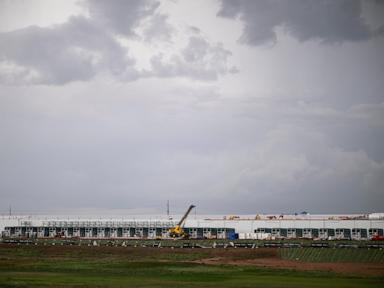
You used to be able to build a massive server warehouse on the edge of town without anyone batting an eye. Not anymore. Across the country, the massive infrastructure boom powering artificial intelligence has turned local zoning disputes into high-stakes electoral weapons. Candidates are winning or losing campaigns based entirely on where they stand on server farms.
If you look closely at the current political climate, data center controversies have completely hijacked the midterms. It is no longer just about standard party lines. Neighbors who disagree on everything else are uniting at town hall meetings to fight these projects, and politicians are scrambling to figure out which side of the fence to stand on.
The Strange Politics of the Server Farm Backlash
Walk into a community meeting in rural New Mexico, Virginia, or Texas, and you will see a fascinating political realignment. Conservative ranchers and progressive environmentalists are sitting in the exact same room, sharing the exact same anger.
Why? Because a single computing complex can drain millions of gallons of water and suck up as much electricity as a small city.
Politicians who once handed out tax exemptions like candy are suddenly backpedaling. In Pennsylvania and Texas, governors have faced fierce political heat for being too cozy with tech giants. They are rushing to order audits, halt tax breaks, and impose strict guardrails just to survive primary challenges. When voters see their monthly utility bills spike to power training models for chatbots, loyalty to a political party goes right out the window.
The White House Clashes with Local Realities
While local candidates are running away from massive tech developments, the federal government is moving in the opposite direction. Washington views AI dominance over global competitors as an absolute national security priority.
President Trump has thrown his full weight behind the industry, arguing that blocking these facilities is a massive economic mistake. He points to the heavy tax revenues and construction jobs these projects promise. But that top-down enthusiasm is slamming into a wall of grassroots resistance.
Local planning boards do not care about geopolitical tech races when local wells are running dry and substation transformers are blowing. Billions of dollars in projects have already been delayed or outright blocked by local pushback. You cannot fast-track a project when local county commissioners are getting voted out of office for supporting it.
What Candidates Are Missing About the Tech Boom
Most politicians making campaign promises about digital infrastructure fail to grasp a basic economic reality. Tech developers promise thousands of jobs, but once construction wraps up, a massive facility might only employ a handful of permanent technicians.
Locals get stuck with the noise, the strained water tables, and the grid upgrades, while the financial rewards vanish to corporate headquarters thousands of miles away.
Smart candidates are learning to demand transparency agreements, mandatory backup power solutions, and ironclad guarantees that everyday residents will not subsidize industrial energy consumption. Those who refuse to adapt are finding out the hard way that suburban and rural voters have very long memories at the ballot box. Pay attention to how local races handle zoning laws this cycle, because it sets the blueprint for every major infrastructure battle to come.