The sweet, herbal scent of drying leaves used to mean security for Anan. A lifelong farmer in the hills outside Chiang Mai, he spent decades watching the market for rice and rubber collapse under the weight of volatile global prices. When Thailand suddenly decriminalized cannabis, it felt like a lifeline thrown directly to the forgotten soil of the provinces. He took out a loan, converted two of his greenhouses, and learned the delicate art of humidity control.
Now, that same scent makes his stomach turn.
The air in Bangkok’s halls of power has shifted. The Prime Minister recently issued a stark, uncompromising warning: the entire domestic cannabis industry might be completely shut down. The reason isn't found in the quiet fields of Chiang Mai, but at international border checkpoints, airport cargo bays, and shipping ports across the globe. A massive, uncontrolled spike in international smuggling has turned a local economic experiment into a geopolitical headache.
The policy reversal threatens to crush thousands of citizens who poured their life savings into a legal market. They are caught between the ambition of a multi-billion-dollar industry and the harsh realities of international law enforcement.
The Open Gate
To understand how a farmer in Thailand ended up facing financial ruin because of a customs bust in London or Tokyo, you have to look at how quickly the gates were thrown open. When the country became the first in Asia to remove cannabis from its narcotics list, the announcement arrived with dizzying speed. Dispensaries popped up overnight in Bangkok, their neon signs casting a green glow over historic alleyways.
It was a gold rush. Tourism boomed. Entrepreneurs arrived with suitcases full of cash.
But the legislation lacked a sturdy framework. The sudden absence of strict regulations created a legal vacuum. While local advocates envisioned a tightly monitored medical paradise that would enrich rural communities, the reality on the ground became a chaotic free-for-all. Cheap, low-quality imports flooded into the country from abroad, depressing prices for local growers. Simultaneously, high-grade Thai product began leaking outward, flowing through underground channels to nations where possession still carries decades of prison time.
Consider what happens next when a commodity is suddenly legal in one specific geographic hub but strictly forbidden everywhere else around it. The price differential creates an irresistible vacuum for organized crime syndicates. A kilogram of flower purchased legally in a Bangkok dispensary can be flipped for ten times its value on the black markets of East Asia or Europe.
The temptation proved too lucrative to ignore.
The Global Backlash
The international community did not watch this experiment in isolation. Neighboring countries in Southeast Asia, known for some of the strictest anti-drug laws on earth, viewed the developments with growing alarm. Border security tightened. Sniffer dogs became permanent fixtures at regional transit hubs.
Then came the high-profile seizures.
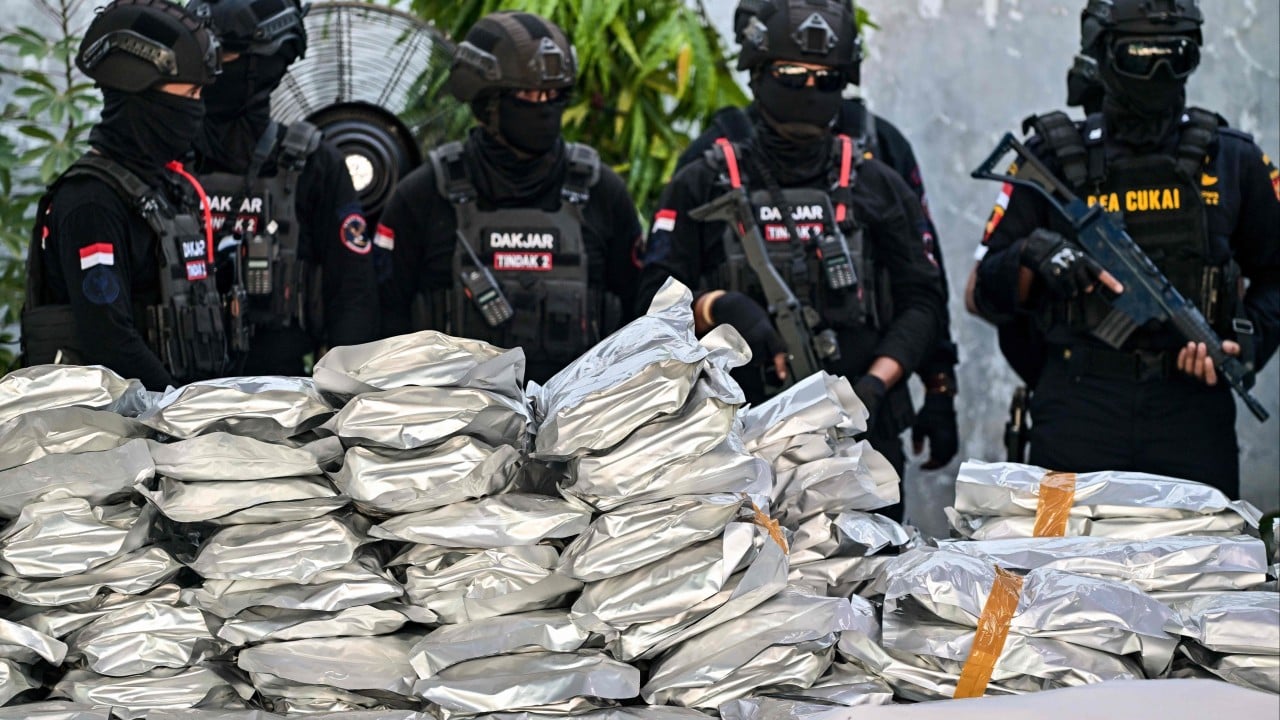
Customs officials worldwide began intercepting commercial flights and shipping containers originating from Thailand, discovering secret compartments stuffed with vacuum-sealed packages of cannabis flower. The scale of the smuggling operation grew too massive to be dismissed as the work of independent tourists smuggling a few grams in their luggage. This was industrialized trafficking, orchestrated by sophisticated networks exploiting Thailand’s relaxed domestic laws to supply global black markets.
The diplomatic pressure on Bangkok began to mount behind closed doors. International allies made it clear that a failure to police domestic production was actively undermining global drug enforcement efforts. The threat of diplomatic friction, combined with growing conservative pushback at home, forced the government’s hand.
The Prime Minister’s ultimatum was direct. If the industry cannot police itself, if the smuggling cannot be stopped, the state will reclassify the plant as a narcotic once again.
Total prohibition would return.
The Cost of Whiplash
For the people who built their livelihoods on the government's initial promises, this political whiplash is terrifying.
Imagine a hypothetical business owner named Suchin. She left a stable corporate job in logistics to open a wellness boutique in Phuket. She spent months securing licenses, vetting local organic suppliers like Anan, and ensuring her products complied with every evolving directive issued by the Ministry of Health. Her business isn't a smoke shop targeting backpackers; it is an upscale spa utilizing CBD oils and herbal infusions.
Under a total shutdown, Suchin loses everything. The state would not offer compensation for a business model it suddenly deems illegal.
This uncertainty is the real poison creeping through the market. Investors have frozen capital. Banks are refusing to extend lines of credit to farms. The vibrant, chaotic market has entered a state of suspended animation, waiting for the executioner’s axe to fall.
The core dilemma is rooted in a fundamental misunderstanding of how supply chains operate. You cannot easily separate the recreational market from the medical market once the genie is out of the bottle. If the government attempts to outlaw recreational use while preserving medical access, the enforcement mechanism requires a massive, expensive bureaucracy. Who decides if a consumer is using a product for anxiety or entertainment? How do police distinguish legal medical flower from illegal recreational flower on the street?
The easiest political solution for a government facing intense international scrutiny is often the most destructive one: a complete, blanket shutdown.
The Soil Remains
The tragedy of the situation is that the local farmers were never the ones driving the international smuggling syndicates. Small-scale growers lack the logistical network, the corrupt border contacts, and the massive capital required to move illicit freight across oceans. They are the ones selling to local dispensaries for dwindling profits, watching the true wealth of the industry siphon upward into the hands of smugglers and large-scale corporate entities.
Yet, they will bear the brunt of the punishment.
If the fields are burned and the dispensaries are shuttered, the criminal syndicates will simply pivot to another illicit commodity. They are fluid, adaptable, and unburdened by regulatory compliance. But the farmers cannot pivot so easily. Their soil is tied up in infrastructure that cannot be repurposed for corn or tapioca without immense financial loss.
The sun sets over Anan’s greenhouses, casting long shadows across rows of vibrant green plants that represent his family's future. He walks down the narrow aisles, checking the leaves for pests, working with the same care he would give to any crop that keeps his children fed.
He knows that thousands of miles away, a customs agent is slicing open a cardboard box at a foreign airport, discovering contraband that could rewrite the laws of his country overnight. His future is no longer in his hands. It belongs to the political calculus of a government trying to put a ghost back into a bottle.