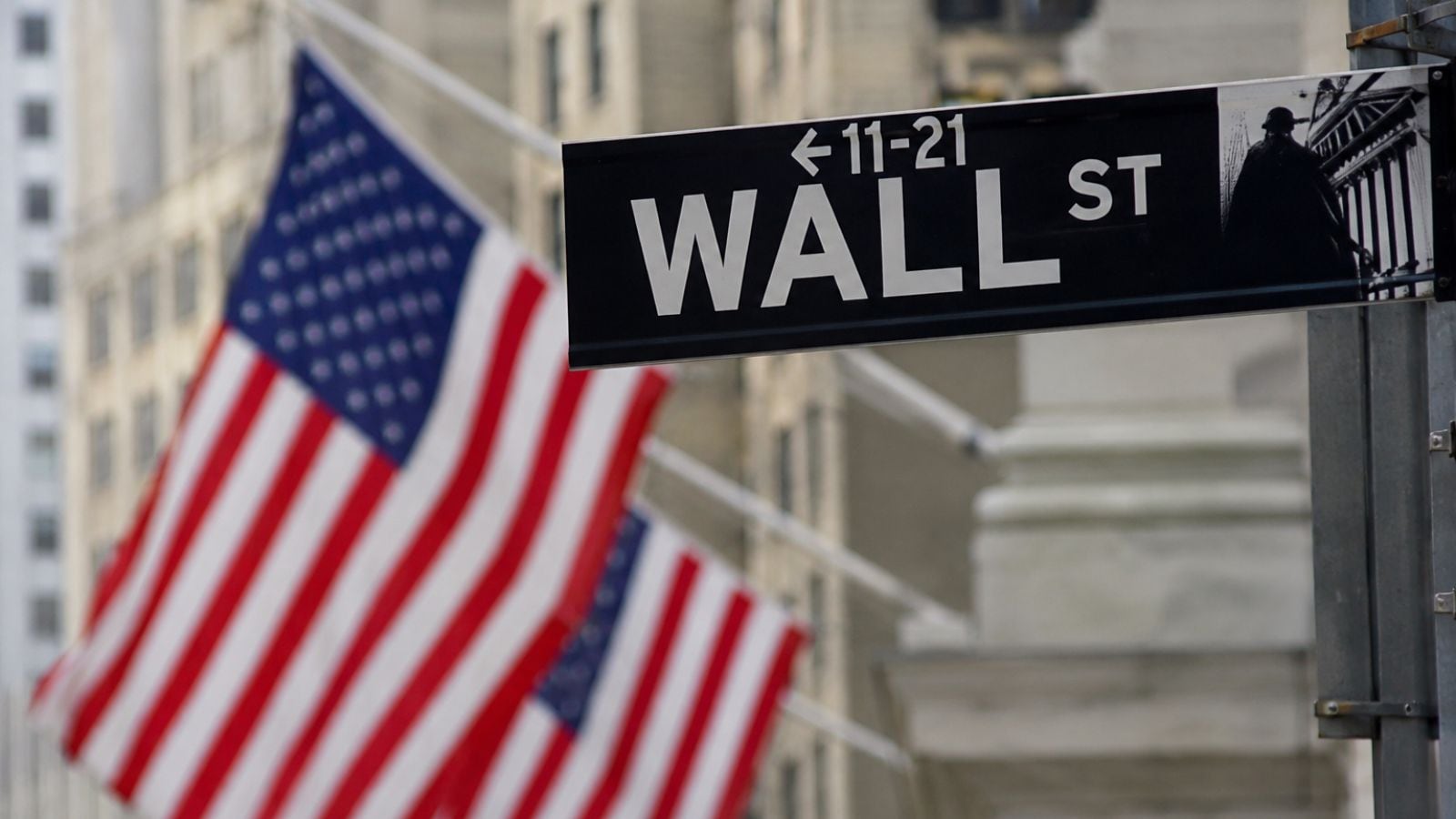
The coffee in the paper cup had gone lukewarm twenty minutes ago, but Elena hadn't noticed. She sat under the hum of the trading floor lights, watching the glowing numbers cascade down her multi-monitor setup like a green digital waterfall in reverse. Red. Everything was bleeding red.
For months, the market had operated on a quiet, comfortable assumption. It was the belief that gravity was negotiable, that interest rates would eventually soften, and that money would remain cheap enough to fuel every corporate dream and speculative bet. People like Elena, portfolio managers with twenty years of scar tissue, knew better. They knew that math always collects its debts. But knowing it in theory and watching it happen in real-time are two entirely different animals.
Today, the math broke.
Across town, a different kind of anxiety hung in the air. Arthur, who had spent thirty-four years managing a mid-sized logistics firm running twenty diesel trucks across the American Midwest, looked at his projected fuel costs for the upcoming quarter and felt a familiar, cold knot form in his stomach. He didn't care about Wall Street ticker symbols. He cared about the price of crude oil ticking upward with a stubborn persistence that defied reason. To Arthur, a barrel of oil wasn't a commodity traded by algorithms in Chicago; it was the lifeblood of his business, the hidden tax on every pallet of goods he moved, and the margin between keeping his drivers employed or parking half his fleet.
These two worlds—the high-altitude domain of global finance and the gritty reality of physical commerce—collided on a single, ordinary trading day.
US stocks tumbled hard, pulling down major indices in a wave of liquidation that caught retail investors and institutional giants alike off guard. The catalyst wasn't a sudden corporate scandal or a geopolitical surprise. It was something far more fundamental, something buried deep in the plumbing of the global economy: Treasury yields touched heights not seen since 2002.
To understand why a twenty-two-year high on a government bond can send shockwaves through a stock market, you have to look past the financial jargon and think about gravity.
Imagine you are standing on a pier, and someone offers you two choices. You can jump into the choppy, unpredictable ocean in front of you—hoping to catch a big wave that might carry you to shore—or you can step onto a massive, immovable concrete barge that guarantees to pay you a solid, risk-free return on your effort. When Treasury yields shoot up, that concrete barge just got a whole lot more attractive. Why risk your capital in equities, where corporate earnings face headwinds and valuations are stretched thin, when the United States government is practically begging to pay you over four and a half percent just to hold its debt?
Money doesn't stay where it's treated poorly. It flees. It rushes out of stocks and into bonds, triggering a domino effect of selling.
Elena watched her screens flash as automated stop-loss orders triggered across the board. The S&P 500 slid. The tech sector, high-flying and dependent on easy credit to fund future promises, took a brutal beating. It was a stark reminder that when the baseline cost of money rises, the entire pricing architecture of the modern economy has to recalibrate.
And then there was oil.
Even as equity markets slumped under the weight of higher borrowing costs, crude prices climbed. In textbook economics, a slowing stock market and soaring interest rates usually signal a cooling economy, which should theoretically depress demand for energy. But energy markets dance to their own rhythm, driven by tight supply constraints, shifting geopolitical alliances, and the sheer inertia of global consumption.
For Arthur, that rising oil price was a physical constraint. When crude climbs, diesel follows immediately. When diesel rises, every mile his trucks log costs more. He couldn't simply pass those costs entirely onto his clients—retailers whose own margins were already squeezed thin by inflation and shifting consumer habits. Instead, he absorbed the hit, cutting back on maintenance schedules and delaying the purchase of a replacement rig he desperately needed.
This is the hidden transmission mechanism of macroeconomics. It is never just numbers on a screen. It is Arthur staring at a fuel bill late at night, wondering how much longer he can run his business without raising prices to a point where his customers walk away. It is Elena feeling the cold sweat of managing millions of dollars in retirement savings while the underlying ground shifts beneath her feet.
The market drop was not an accident; it was a reckoning. For years, investors had gotten high on the cheap money policies that followed historic crises. They built portfolios assuming that central banks would always step in with a safety net, that inflation was a ghost of the past, and that bonds were a dead asset class.
The 2002-level Treasury yield shattered that illusion. It whispered a harsh truth to every market participant: the era of free money is over. We have returned to a historical normal where capital actually costs something, where risk must be priced accurately, and where structural imbalances cannot simply be printed away.
As the closing bell rang on Wall Street, the trading floor grew quiet. The screens stopped flashing their urgent warnings, but the underlying tension remained. Elena closed her laptop, her eyes burning from hours of blue-light exposure. Out in the Midwest, Arthur parked his car in his driveway, turned off the engine, and sat in the dark for a moment, calculating the miles left in his tires and the weeks left in his reserves.
The numbers on the ticker would change tomorrow. The Federal Reserve would release another statement, analysts would parse every syllable for clues, and the financial media would find a new narrative to obsess over. But the core reality would persist, quiet and unyielding, dictating the terms of survival for anyone brave enough to play the game.


