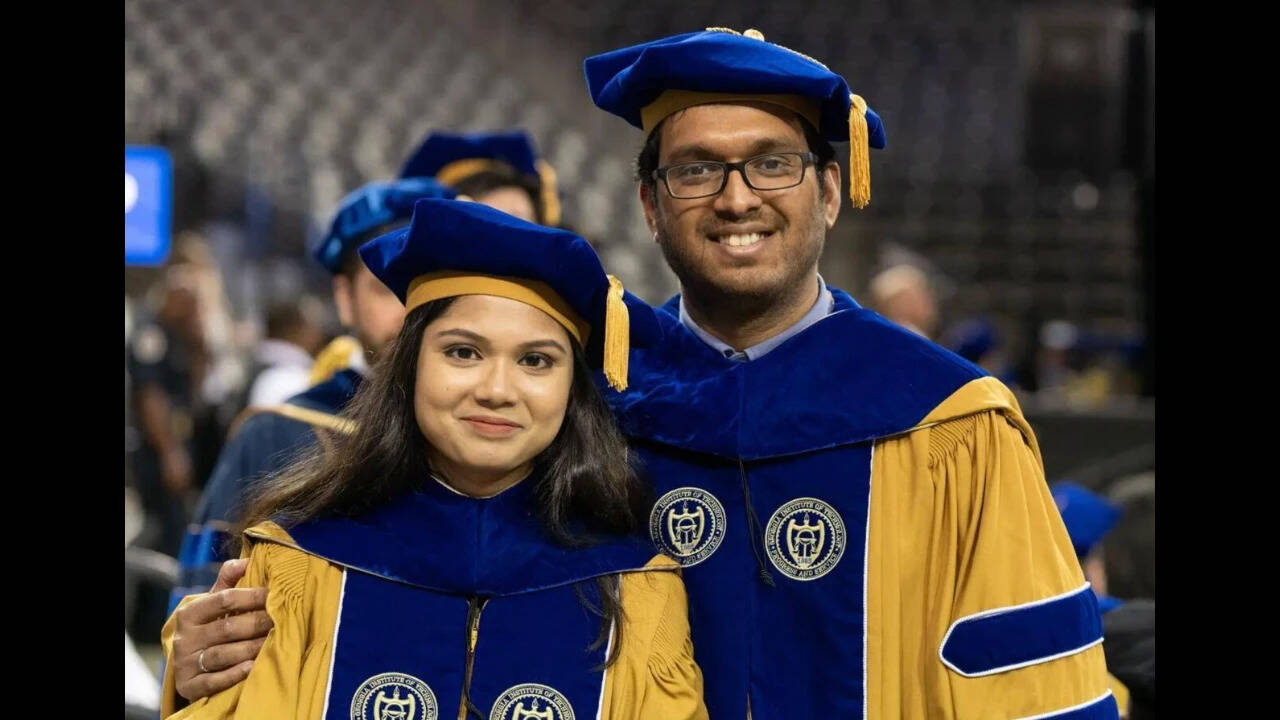
Grief is heavy. Unanswered questions make it unbearable. When someone dies suddenly, loved ones expect clarity. They expect honesty from authorities and institutions. But sometimes, the official narrative simply doesn't fit the facts on the ground.
That is the painful reality facing the family of Irfan Al-Hussaini. As an artificial intelligence scientist of Bangladeshi origin, Irfan passed away in Palo Alto in July under circumstances that have left his relatives demanding a thorough, independent investigation. Nothing about this tragedy adds up. Not to his grieving family. Not to anyone who understands the realities of modern tech hubs.
A Normal Morning Before the Tragedy
Morning routines anchor our lives. Irfan's morning started like countless others in the high-stakes technology sector. He prepared for and delivered a work presentation earlier that same day.
Colleagues saw him functioning normally. He communicated clearly. He shared professional insights. There were no visible signs of personal crisis or distress. No frantic warnings to friends. Just a brilliant mind executing tasks he trained years to master.
Hours later, everything fractured.
When a life ends abruptly right after a normal professional engagement, shock takes over. But shock quickly turns to deep suspicion when institutional communication breaks down. Families separated by thousands of miles rely entirely on local authorities and employers for the truth. When that truth trickles out slowly or feels heavily sanitized, trust shatters completely.
Why the Family is Demanding an Independent Probe
Families grieving across international borders face immense bureaucratic hurdles. They cannot walk into local police stations easily. They cannot demand physical records face-to-face without institutional walls blocking their path at every turn.
Irfan's relatives in Bangladesh are speaking out because they believe critical pieces of the puzzle are missing. They want a proper probe. They want full transparency. They refuse to accept a rushed conclusion that ignores lingering anomalies and unanswered questions.
In cases involving tech professionals in Silicon Valley, investigations often move behind closed doors. Corporations protect their brand image above all else. Local law enforcement agencies close cases quickly when foul play isn't immediately obvious on the surface. But missing details matter. Communication timelines matter. The mental toll of high-pressure artificial intelligence research environments matters immensely.
When relatives state that something isn't adding up, society should listen closely. Too often, international families are left in the dark, forced to accept vague statements from institutions that have zero incentive to dig deeper into workplace dynamics.
The High Pressure Reality of Silicon Valley Tech Culture
We pretend the tech industry is all about free snacks, casual dress codes, and collaborative workspaces. That narrative is a comforting myth.
Artificial intelligence research right now is an absolute beast. The race to build smarter models, secure massive funding rounds, and outpace global competitors creates crushing psychological weight. Scientists work insane hours. They carry the burden of multi-million dollar projects and immense expectations on their shoulders.
Burnout isn't an occasional glitch in Silicon Valley. It functions as the default operating system.
Immigrant scientists face an extra, often invisible layer of stress. Many are far away from their core support networks, extended families, and childhood homes. They navigate visa dependencies, intense cultural adjustments, and the relentless pressure to succeed in a hyper-competitive foreign market. If you stumble, the professional and personal stakes feel catastrophic.
Yet, tech companies rarely address mental health proactively. They talk about wellness in corporate newsletters while pushing engineering teams to the absolute brink. When tragedies happen, institutions circle the wagons immediately. They issue sanitized public relations statements and move on to the next sprint as if nothing happened.
We need to talk openly about the human cost of the artificial intelligence boom. Brilliant minds are burning out. Some are breaking under the weight. And when things go tragically wrong, accountability remains frustratingly rare.
Pushing for Transparency and Accountability
Families shouldn't have to fight tooth and nail for basic transparency. If an AI scientist dies hours after giving a professional presentation, every single timeline, communication record, and workplace interaction deserves rigorous, independent scrutiny.
An independent probe isn't about assigning blame blindly. It is about uncovering the unvarnished truth. Did workplace stress play a role? Were there warning signs that colleagues missed or leadership ignored? Did emergency responders and investigators look deeply enough, or did they rush to wrap up a complicated case to avoid scrutiny?
Irfan Al-Hussaini's family deserves answers. The Bangladeshi scientific community deserves answers. Anyone who believes human life matters more than corporate public relations campaigns should demand accountability.
Keep asking the hard questions. Do not let institutions sweep complex tragedies under the rug. Push for investigations that honor the truth, no matter how uncomfortable it makes the powerful.


