Capital punishment in America has long relied on the promise of a swift, sterile, and painless end. The state straps a condemned individual to a gurney, administers a chemical cocktail, and pretends justice has been efficiently served behind closed doors. But what happens when the machinery of death breaks down halfway through?
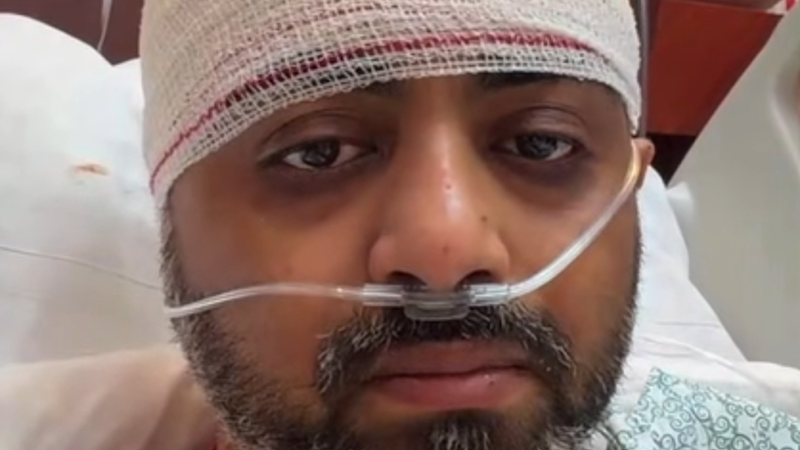
When execution protocols fail, the entire moral and constitutional framework surrounding state-sponsored execution fractures. The case of Romell Broom in Ohio remains a chilling reminder of this grim reality. Back in September 2009, executioners spent two hours trying to find a usable vein. They poked him repeatedly, hit bone, caused him to cry out in pain, and ultimately called off the execution while he was still very much alive. Broom's ordeal exposed a terrifying truth. Capital punishment is messy, deeply flawed, and plagued by incompetence.
We need to talk about what happens when executions fail. The public rarely sees the human error, the faulty equipment, and the sheer physical trauma inflicted inside the death chamber.
The Anatomy of a Botched Execution
Execution chambers are designed to project absolute control. Inside those sterile rooms, reality is often far different. Medical professionals refuse to participate due to ethical oaths, leaving prison staff to handle complex intravenous lines.
That disconnect creates disaster. Finding a viable vein on a death row inmate is not a simple task. Years of stress, drug use, poor health, or simply the panic of the moment cause veins to collapse. When executioners miss, they don't just try again. They improvise. They probe. They cause agonizing pain.
Think about the physical reality. A lethal injection requires precise access to the bloodstream to deliver sedatives, paralytics, and cardiac arrest agents in the correct sequence. If the sedative fails to render the inmate unconscious, the subsequent drugs cause a sensation akin to chemical suffocation while burning through the veins.
The Eighth Amendment of the United States Constitution explicitly prohibits cruel and unusual punishment. Yet, when an execution takes two hours of needle-sticking and crying out in pain, the line between lawful punishment and torture blurs beyond recognition.
Why the System Keeps Failing
The crisis surrounding lethal injection drugs compounds every single mechanical failure. For years, major pharmaceutical companies, many of them based in Europe with strict anti-death penalty laws, refused to sell their drugs to American prisons.
States scrambled for alternatives. They turned to compounding pharmacies with little federal oversight. They experimented with untested chemical mixtures. They imported substances under questionable legal circumstances.
This scramble for chemicals turned the execution chamber into a laboratory. Inmates became test subjects for unproven pharmacological cocktails. When you combine inexperienced execution staff with unregulated, experimental drugs, failure is inevitable.
Lawmakers often treat execution protocols as an administrative afterthought. They pass laws shielding the identities of drug manufacturers, wrapping the entire process in state secrecy. Secrecy breeds negligence. Without public transparency or independent medical oversight, executioners operate in an accountability vacuum.
The Psychological Toll on Everyone Involved
We focus heavily on the inmate on the gurney, and rightly so. Surviving the initial attempt on your life only to be told you will have to face it again months or years later is a psychological torment that defies description. Romell Broom lived with that nightmare for years until cancer took his life before the state could schedule a second attempt.
Yet, the collateral damage extends much further. Prison guards, wardens, and execution team members carry the heavy burden of these botched procedures. Participating in an execution that goes horribly wrong leaves deep psychological scars. Many experience post-traumatic stress disorder, guilt, and severe anxiety.
The legal teams representing these inmates face an exhausting cycle of emergency appeals, trying to halt a process that is careening out of control in real-time. Courts are forced to draw fine constitutional lines, debating whether causing severe physical pain during an execution constitutes a violation of human rights.
Facing the Reality of State Killing
The debate over the death penalty usually focuses on morality, deterrence, and the risk of executing an innocent person. Those are vital discussions. But the mechanical failure of lethal injection introduces a completely different dimension.
If a state claims the moral authority to take a life, it must execute that power with absolute precision and humanity. The historical record shows it cannot do that. The process is inherently prone to human error, medical complications, and ethical compromises.
When execution chambers turn into torture rooms, the fiction of clean and humane capital punishment shatters. Pretending these incidents are isolated anomalies ignores the systemic rot at the core of the system.
Stop looking away from what happens behind those steel doors. The reality of state-sanctioned execution is ugly, brutal, and broken beyond repair.