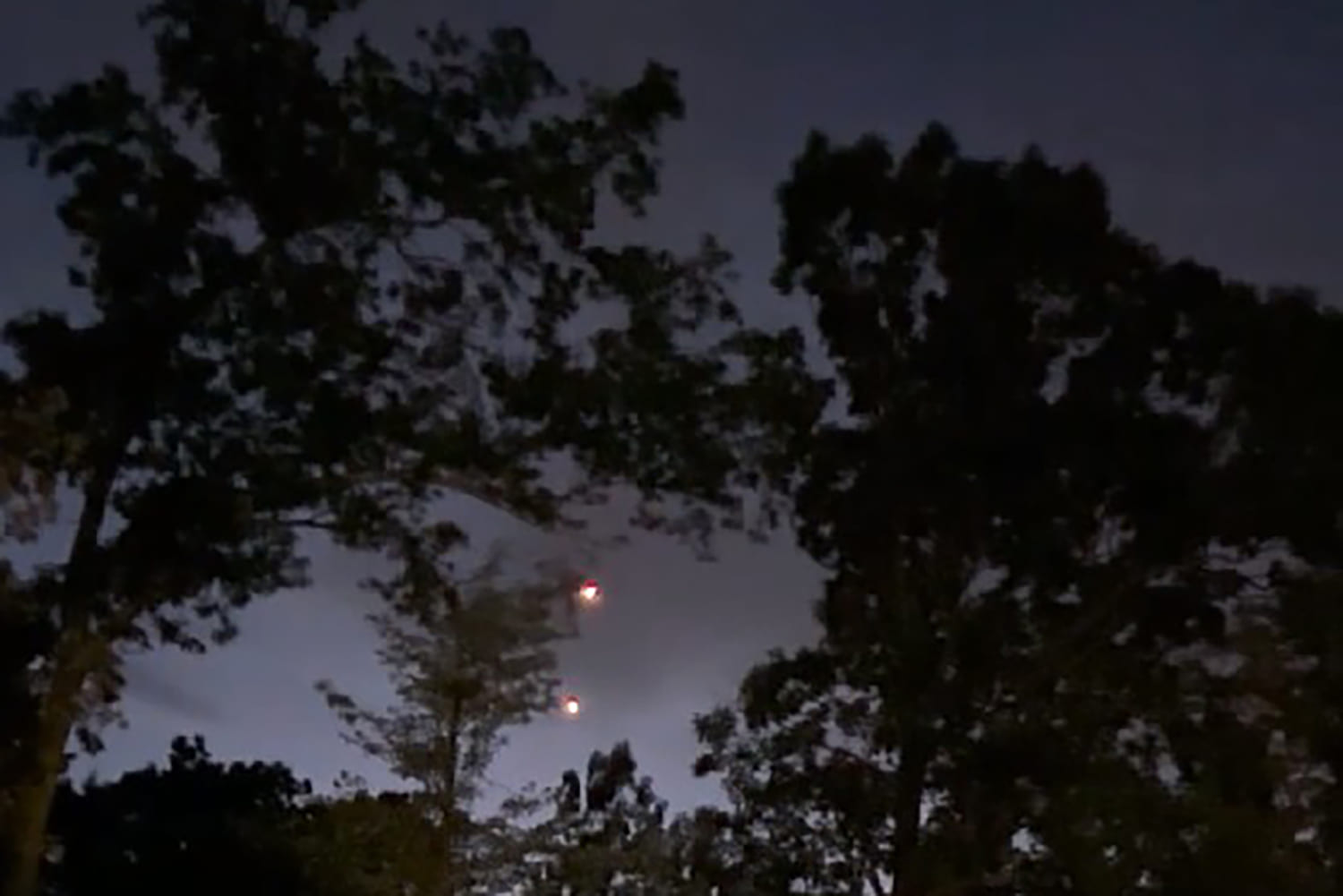
The media is swooning over the latest batch of declassified military and intelligence files detailing global UFO investigations. The headlines want you to believe we are creeping closer to revealing interstellar diplomacy or a cosmic cover-up. They point to decades of tracked anomalies, scrambled jets, and midnight memos as evidence that the state knows something monumental.
They are looking at it completely wrong.
These documents do not prove the existence of extraterrestrial visitors. They prove something far more terrifying: the absolute, staggering inability of global defense bureaucracies to process basic data.
I have spent years analyzing how massive intelligence structures handle signal vs. noise. If you think these files represent a disciplined, highly secretive cabal hiding anti-gravity drives, you have never sat in a government briefing. The third batch of declassified files is not a roadmap to the stars. It is a monument to administrative panic, broken sensor calibration, and the eternal human habit of filing a report to avoid taking responsibility.
The Illusion of "Investigation"
The lazy consensus dominating the news cycle goes like this: Because the government spent millions investigating these incidents, there must be a core mystery.
This assumes efficiency. It assumes a baseline of competence that simply does not exist in bloated defense budgets.
When a radar system built in the 1980s glitches over the Atlantic, a chain reaction begins. The pilot reports an anomaly to protect their credentials. The squadron leader passes it up the chain to avoid liability. The intelligence analyst logs it because they need to hit a monthly quota of processed files.
Suddenly, you have a "highly classified UFO file."
A paper trail is not evidence of a phenomenon. It is evidence of a process.
Consider what happens during these investigations. We are told that advanced sensor arrays tracked objects moving at impossible speeds. But anyone who understands electronic warfare knows that sensors lie constantly.
Why Radar and Infrared Deceive Us
- Thermal Clutter: Modern fighter jet FLIR (Forward Looking Infrared) cameras are masterpieces of engineering, but they are optimized to find hot engine exhaust against cold skies. When they encounter meteorological anomalies or standard consumer drones at odd angles, the software attempts to calculate distance based on false assumptions, creating the illusion of hypersonic acceleration.
- Radar Clutter and False Gains: Radar networks frequently pick up atmospheric inversions, flocks of birds, or space debris. When automated systems try to track these disparate points, they create "ghost tracks" that appear to jump across the screen at Mach 10.
- Systemic Echoes: In many of the celebrated European cases in the declassified files, multiple radar stations "confirmed" a target. What the reports leave out is that those stations were sharing data loops. If Station A injects a glitch into the network, Station B will confidently display the exact same error.
The files show that investigators routinely lacked the technical literacy to distinguish between an actual physical object and a software artifact. They archived the noise because they could not explain it, and decades later, the public mistakes that archive for a treasure trove.
The Cold War Paranoia Loophole
To understand why these global files exist, you have to look at the geopolitical reality of the eras they cover. The vast majority of these reports stem from periods of intense international tension.
If a foreign adversary tests a new electronic jamming technique that tricks your air defense radar into seeing a dozen stationary targets, you cannot admit to the public—or your superiors—that your billion-dollar defense grid is vulnerable. Instead, you classify the incident. You label it an anomalous phenomenon.
It is the perfect bureaucratic survival strategy. If an intrusion is labeled "unknown," no general gets fired for failing to shoot it down. The moment you call it a foreign penetration, heads roll. The UFO designation is a get-out-of-jail-free card for military leadership facing technological surprise.
Imagine a scenario where a cutting-edge reconnaissance drone from a hostile nation violates airspace. The tracking data is messy because the drone is stealthy. The defense ministry has two choices: admit their sovereign borders were breached by a rival power without a response, or bury the messy data in an "unexplained occurrences" ledger. The choice is made instantly.
Dismantling the Common Premise
People frequently ask the wrong questions when these document drops happen. Let's dismantle the standard inquiries with brutal reality.
If these are just glitches, why are pilots witnessing them with their own eyes?
Human vision is notoriously unreliable at high altitudes against featureless backgrounds. Without a fixed point of reference, the brain struggles to determine the size, speed, and distance of an object. A weather balloon five miles away looks exactly like a giant craft moving at incredible speed right next to the cockpit. Pilots are highly trained observers, but they are still human. They are subject to the same optical illusions and cognitive biases as anyone else when staring into an empty blue sky.
Why would governments keep this classified for so long if it's nothing?
Classification is the default setting of the state. It has nothing to do with the importance of the content. A document detailing a flawed radar calibration script is classified because revealing it tells adversaries exactly how to hack or spoof that specific radar model. The government isn't hiding aliens; they are hiding the technical specs of their sensors and the embarrassment of their own blind spots.
The Cost of the Distraction
The obsession with these declassified logs is a massive win for defense contractors and a disaster for real technological oversight. Every hour spent debating whether a blurry infrared video shows a craft violating the laws of physics is an hour not spent auditing why the military cannot track basic, low-cost quadcopters hovering over sensitive installations.
While enthusiasts scour redacted pages for mentions of "meta-materials," real-world adversaries are deploying cheap, off-the-shelf drone swarms and high-altitude surveillance platforms. The bureaucracy loves the UFO narrative because it shifts the conversation from a failure of current readiness to a speculative sci-fi fantasy.
It is easy to demand "disclosure" of alien secrets. It is incredibly hard to demand the complete overhaul of military data processing, sensor calibration, and administrative accountability.
The downside of my position is obvious: it is boring. It strips away the romance of cosmic visitations and replaces it with the dull reality of corporate incompetence and government inefficiency. It requires you to accept that the people in charge of national defense do not have a secret vault of interstellar technology—they just have a lot of broken filing cabinets and a desperate desire to cover up their mistakes.
Stop looking at the sky for answers to these files. Look at the org charts of the agencies that wrote them. The truth isn't out there; it's buried under a mountain of government paperwork designed to ensure nobody ever has to take the blame for a radar glitch.


