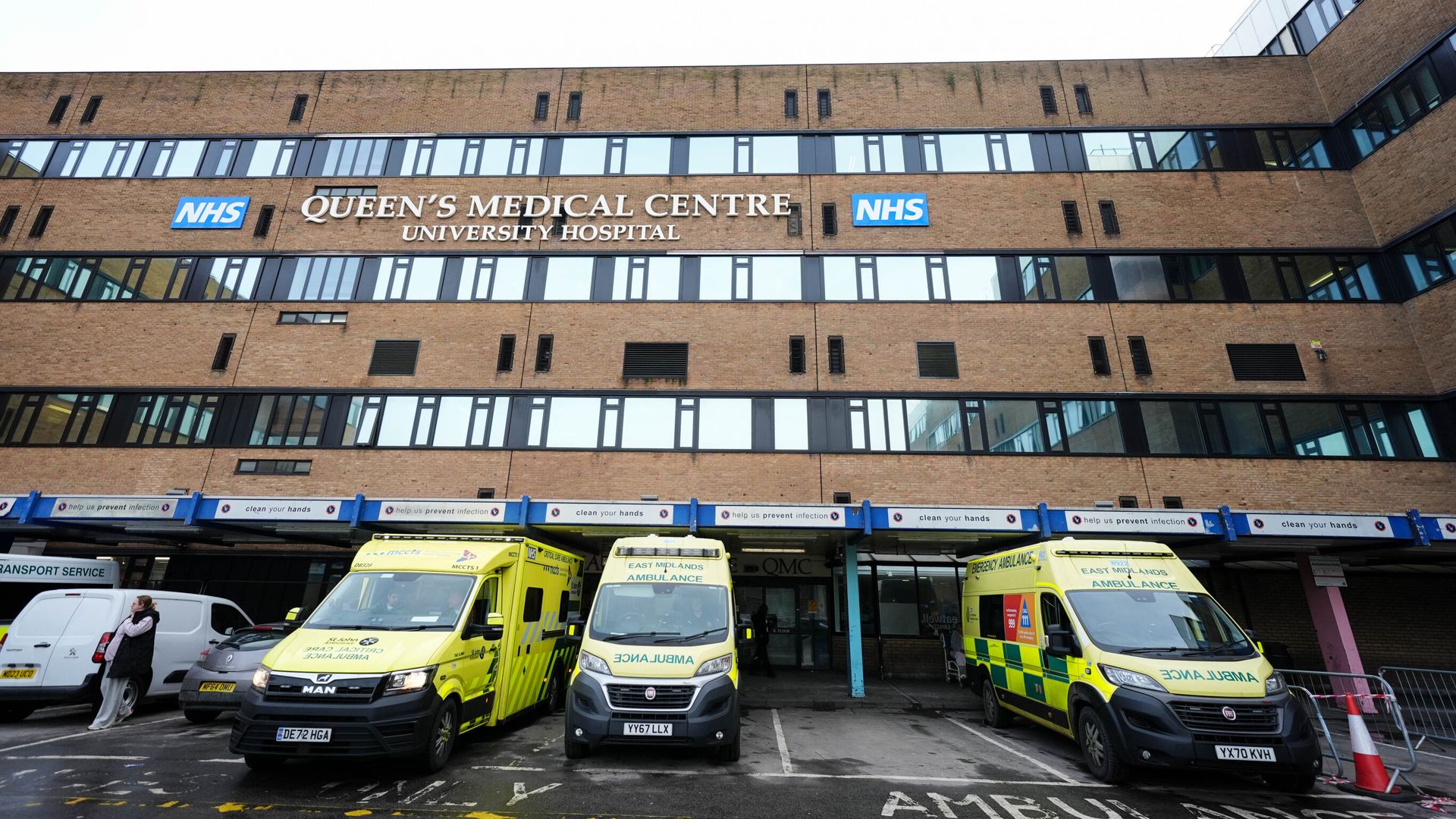
The discovery of eight bodies in a state of advanced decomposition at a National Health Service trust mortuary is not an isolated incident of administrative oversight. It is the predictable consequence of a structural breaking point. When public health infrastructure collapses, it begins where the public cannot see. Mortuaries across the United Kingdom are quietly buckling under a combination of soaring post-pandemic mortality rates, acute staffing shortages, and a chronic lack of capital investment. This failure represents a deeper, systemic crisis in how the state manages the final stage of patient care.
To understand how eight human bodies could be left to deteriorate within a modern medical facility, one must look past the immediate headlines and examine the hidden logistical machinery of the NHS. This is a crisis born of capacity deficits, broken supply chains, and a regulatory framework that has failed to keep pace with a changing population. Meanwhile, you can read other events here: Why Dinesh Trivedi in Dhaka changes everything for India and Bangladesh.
The Invisible Backlog in Post-Mortem Care
Public attention remains fixed on hospital waiting lists, emergency room delays, and ambulance response times. Yet the exact same pressures afflict the end of the medical pipeline. When a patient dies in an NHS hospital, their body is transferred to the hospital mortuary. If the death is unexpected, it falls under the jurisdiction of the local coroner, requiring a post-mortem examination before the body can be released to funeral directors.
This is where the system grinds to a halt. To see the complete picture, we recommend the detailed article by Al Jazeera.
The UK is currently facing an acute shortage of anatomical pathology technicians and forensic pathologists. Older professionals are retiring at a rate that far outpaces the entry of new trainees into the field. When a mortuary loses even one or two qualified technicians, the administrative and physical workload multiplies for those remaining. Bodies accumulate in refrigerated storage unidades far longer than the standard target window of a few days.
Refrigeration does not stop decomposition; it merely slows it down. Standard mortuary refrigeration units are designed to hold bodies at temperatures between 2 and 4 degrees Celsius. This is sufficient for short-term storage. However, if a body remains in standard refrigeration for weeks or months due to bureaucratic delays, autopsy backlogs, or difficulties in locating next of kin, deterioration is inevitable. Long-term storage requires deep-freezing facilities, which many older NHS trusts simply do not possess in sufficient quantities.
Capital Starvation and the Failure of Cold Chain Infrastructure
The physical infrastructure of NHS mortuaries is decaying. Decades of prioritizing frontline clinical space have left secondary and support facilities underfunded. Many hospital mortuaries operate with refrigeration systems that are decades old, relying on outdated coolants and failing compressors.
Mortuary Storage Thresholds
--------------------------------------------------
Storage Type      Target Temp    Max Viable Duration
Standard Fridge   2°C to 4°C     1 to 3 weeks
Deep Freezer      -20°C          Several months
When a refrigeration unit experiences a micro-fluctuation in temperature, it may not trigger a catastrophic alarm, but it accelerates tissue breakdown. In an overcrowded mortuary, bodies are frequently moved between units to accommodate new arrivals, exposing them to ambient room temperatures.
Furthermore, the surge in bariatric patients has placed a physical strain on existing infrastructure. Standard mortuary trays and refrigeration slots are often too small for larger bodies, forcing staff to use improvised storage solutions or keep units open longer during transfers, disrupting the internal climate of the cold rooms.
This is not a problem that can be solved by rewriting a hospital protocol. It requires a massive injection of capital to overhaul the physical cold chain infrastructure across the entire network.
The Coroner Conundrum and Legal Deadlocks
The bottleneck is not entirely mechanical. The legal and bureaucratic framework governing post-mortem care is deeply fractured. When an NHS trust experiences a buildup of bodies, the breakdown often lies at the intersection of hospital administration, the coroner’s office, and local government social services.
If a patient dies without traceable next of kin, the responsibility for arranging a public health funeral falls onto the local authority. This process requires extensive legal searches to ensure no relatives exist. During this investigative window, which can take months, the hospital mortuary must store the body.
"A dead body cannot advocate for itself. When the legal system stalls, the physical reality of biology does not."
If the coroner's office is overwhelmed with cases, authorizations for autopsies are delayed. Hospital mortuaries effectively become long-term holding facilities for the state, a function they were never designed or funded to perform. When eight bodies are allowed to reach an advanced state of deterioration, it indicates that the communication loop between the hospital’s bereavement office, the pathology department, and the external legal authorities has completely severed.
The Myth of the Isolated Incident
Every time a story of mortuary neglect emerges, the response from NHS leadership follows a familiar script. There are promises of a thorough internal investigation, statements of condolence to the affected families, and assurances that the event was an anomaly.
The data suggests otherwise. The Human Tissue Authority, which regulates mortuaries in the UK, has repeatedly flagged deficiencies in storage capacity and maintenance across multiple trusts over the past decade. These warnings are frequently classified as non-urgent or deferred due to budget constraints.
The reality is that mortuaries operate on a knife-edge. A bad winter flu season, a heatwave that spikes elderly mortality, or a localized staffing shortage can instantly push a compliant facility into a crisis state. The eight bodies found in this specific trust are an extreme manifestation of a systemic vulnerability that exists in dozens of hospitals across the country.
The Human Cost of Administrative Silence
Behind the bureaucratic failure lies a profound ethical collapse. The degradation of human remains in a state-funded institution violates the fundamental social contract between the citizen and the healthcare provider. Families place their loved ones into the custody of the NHS with the expectation of dignity in death.
When that custody fails, the psychological damage to grieving families is irreversible. They are forced to confront the reality that while they were planning a funeral, the body of their relative was decomposing due to a broken thermostat or an unmonitored logbook.
The staff working in these environments also bear a heavy burden. Operating an understaffed, overcrowded mortuary is psychologically punishing work. When equipment fails and backlogs grow, the daily routine becomes a harrowing exercise in damage limitation. Many technicians leave the profession due to burnout, worsening the very staffing shortage that caused the crisis in the first place.
The Illusion of Oversight
The current oversight model relies on periodic inspections by regulatory bodies. However, these inspections offer a snapshot in time. They do not capture the daily operational stress of a facility handling double its intended capacity.
To prevent these failures, the NHS must move away from reactive crisis management. Mortuary capacity needs to be tracked nationally in real-time, much like intensive care beds. If a facility reaches 80% capacity, systems should trigger an automatic diversion of bodies to regional hubs or temporary contract storage, rather than allowing local staff to pile bodies into failing units.
Without structural independence for mortuary management, funding will always be diverted to more politically visible areas of a hospital. A patient waiting for a hip replacement can complain; a body in a basement refrigerator cannot. Until the management of human remains is treated as a vital, specialized component of public health infrastructure rather than a mechanical afterthought, the conditions that led to this decomposition crisis will remain quietly active in hospitals nationwide.