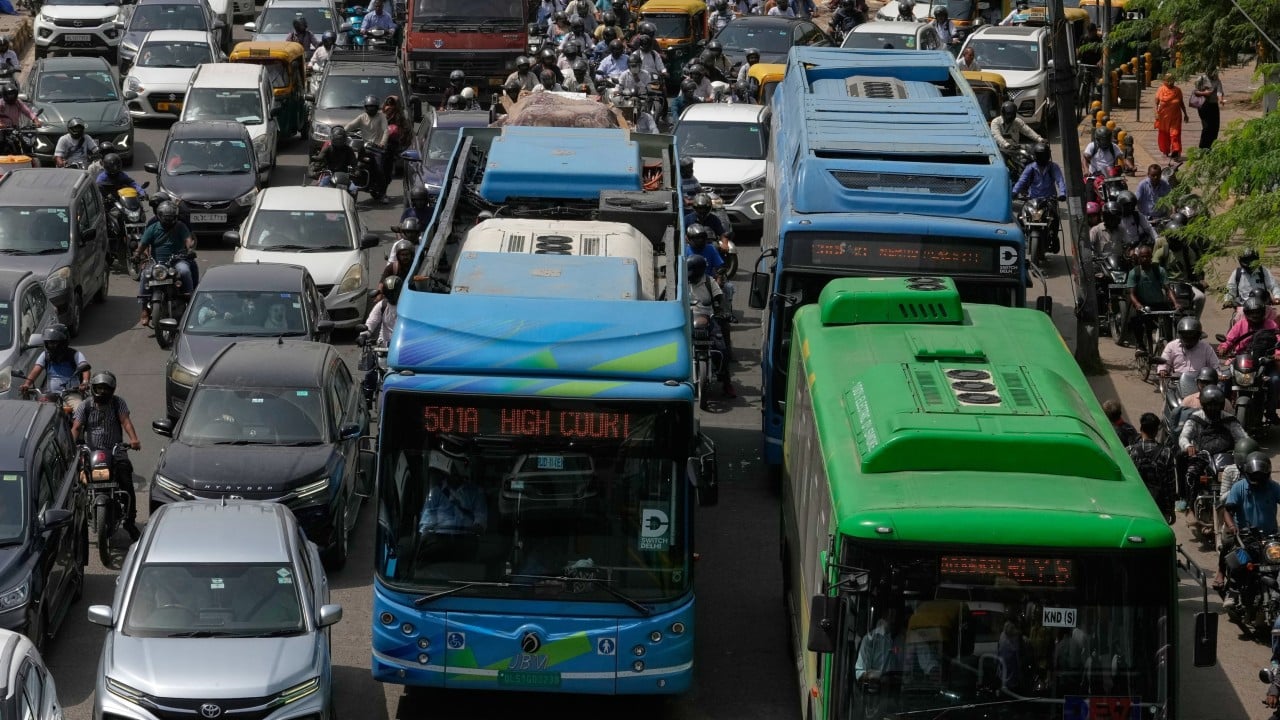
Delhi leads the national conversation on electric vehicles, boasting aggressive adoption numbers, high-profile subsidies, and a pervasive narrative of green transformation. Look closer at the exhaust-choked intersections of the capital, and a starkly different reality emerges. The state-driven push for electric mobility is moving fast, but it is moving unevenly, leaving structural fissures in its wake that the official statistics neatly ignore.
The core premise of the capital's transition rests on two pillars: targeted financial incentives and aggressive mandates for commercial fleets. On paper, the numbers look impressive. Electric two-wheelers and three-wheelers are proliferating across major transit corridors. Delivery drivers, weary of surging petrol prices, have embraced battery-powered alternatives out of pure economic survival.
Yet, the mechanics of this shift reveal a glaring disconnect. While commercial operators find financial viability, private vehicle owners face a maze of infrastructure deficits, high upfront costs, and severe grid limitations. The transition is not a unified march toward a sustainable future. It is a fragmented race where commercial delivery outfits cross the finish line early, while everyday residents are left stranded at the starting gate.
The Infrastructure Bottleneck
Ask any independent cab driver in South Delhi about charging access, and you will hear a familiar grievance. The public charging network expands in glossy press releases, but on the ground, density remains dangerously low.
A charging station requires more than a parking spot and a plug. It demands heavy electrical infrastructure, robust transformer capacity, and reliable land allocation in a city where space is fiercely contested. Municipal authorities have designated spots for chargers, but many sit non-functional for months due to bureaucratic delays in grid integration.
Power distribution companies face a massive headache. If five commercial electric buses and twenty electric cars plug into the same neighborhood feeder simultaneously during peak evening hours, local transformers blow. The city grid was designed decades ago for domestic consumption, not for the heavy industrial-grade draw required for rapid urban fleet electrification. Upgrading subterranean cabling beneath congested roads is expensive, disruptive, and slow.
The Real Estate Problem
Residential societies present another administrative wall. Most residents in the capital live in multi-story cooperative apartments or builder floors with shared parking or open street parking.
- Installing a dedicated home charger requires permission from resident welfare associations.
- Safety concerns regarding battery fires dominate committee meetings.
- Cost-sharing for electrical line modifications creates endless disputes among tenants and owners.
Without home charging, owners must rely entirely on public infrastructure. That model fails when charging points are broken, occupied, or located miles away from residential blocks.
The Economic Divide
Affordability dictates the speed of adoption. Delhi offers some of the most generous purchase incentives in the country, yet the initial sticker price for electric cars remains out of reach for the average middle-class household.
Internal combustion engine cars under ten lakhs remain the dominant choice for first-time buyers. Equivalent electric models demand a premium that takes years of fuel savings to offset. For a delivery rider earning a modest daily wage, a low-cost electric scooter makes immediate financial sense, especially when paired with battery-swapping networks that eliminate charging downtime.
For a family buying a single household vehicle, the calculus is entirely different. Range anxiety is real. A weekend trip to the nearby hills requires meticulous route planning to avoid getting stranded in areas devoid of high-speed chargers.
Battery Degradation Realities
Battery chemistry introduces another layer of financial anxiety. Ambient temperatures in the capital regularly cross forty-five degrees Celsius during summer months. Extreme heat degrades lithium-ion battery packs faster than mild climates do.
Manufacturers offer long warranties, but uncertainty surrounding residual values haunts the secondary market. A petrol hatchback retains a predictable resale value after five years. An electric car with an aging battery pack carries an unknown replacement cost that scares used-car buyers away.
The Commercial Motor Engine
While private adoption stutters, commercial fleets are driving the actual numbers. E-commerce giants, food delivery platforms, and logistics firms face strict municipal targets to green their delivery fleets.
These corporations operate on tight margins. For them, switching to electric two-wheelers is a simple mathematical equation. Electricity is cheaper than petrol per kilometer, maintenance costs are lower due to fewer moving parts, and corporate sustainability metrics look good for investors.
The result is a two-tier mobility ecosystem. The commercial side of the city hums on quiet, whining electric motors, while the private side continues to burn fossil fuels in gridlock.
Fleet operators have the capital to absorb initial losses, set up captive charging hubs for their riders, and partner directly with energy startups. The individual citizen has no such corporate backing.
Policy Misalignments
Delhi's electric vehicle policy was pioneering when introduced. It set high aspirations. However, rigid policy frameworks often fail to adapt to rapid technological and economic shifts.
Subsidies have tapered down for certain segments as budgets face pressure, creating sudden market dips. Furthermore, the focus on vehicle subsidies overshadowed the necessary investments in grid reinforcement.
Subsidizing the purchase of a vehicle does not magically create the electrical capacity required to charge it. Policymakers fell into the trap of measuring success by registration numbers rather than systemic readiness.
The Scrappage Dilemma
Mandatory age limits on fuel-powered vehicles in the region have forced many owners into premature replacements. Instead of easing people into electric options through natural market evolution, heavy-handed administrative bans created sudden panic buying.
Many drivers swapped old petrol cars for newer petrol or CNG vehicles rather than taking the electric leap, simply because the supporting ecosystem was not mature enough to earn their trust.
The Unspoken Environmental Trade-off
The clean air narrative assumes zero tailpipe emissions equal zero environmental impact. That calculation ignores how electricity is generated.
Delhi draws a significant portion of its power from coal-fired thermal plants located in neighboring states. While shifting emissions away from crowded street canyons improves immediate hyper-local air quality, the broader carbon footprint remains tied to fossil fuels upstream.
True green mobility requires simultaneous decarbonization of the power grid. Without clean generation sources feeding the charging stations, the electric vehicle revolution merely relocates the smoke stack from the tailpipe to the power plant.
The Path Forward
Fixing the capital's transition requires shifting focus from showroom sales figures to infrastructural depth.
- Streamlining single-window approvals for residential chargers in apartment complexes.
- Mandating EV-ready electrical architecture in all new construction permits.
- Investing heavily in localized grid stabilization before adding millions of new loads.
- Incentivizing domestic battery recycling infrastructure to manage future waste streams.
The ambition driving the policy is undeniable. The execution, however, remains vulnerable to the messy realities of urban infrastructure, economic inequality, and bureaucratic inertia. Until charging becomes as effortless as parking, and until the grid can handle the load without buckling, the electric vehicle revolution in the capital will remain a tale of two cities: one cruising quietly ahead, and the other waiting for the power to turn on.