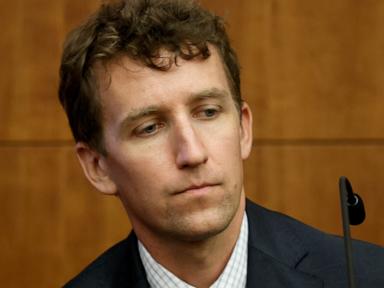
When Howard Cooper stepped before reporters to issue a stern warning on behalf of Patrick Clancy, he was not merely responding to idle internet gossip. He was drawing a hard legal line in the sand against a digital mob. Patrick Clancy, whose three young children were killed in a horrific tragedy in Duxbury, Massachusetts, has spent the months following that nightmare fighting a secondary war. This war is waged not in a courtroom by legal adversaries, but across TikTok, YouTube, and Instagram by self-appointed digital sleuths. These commentators have built monetization engines on baseless conspiracy theories, actively pointing accusatory fingers at a grieving father who was cleared of any wrongdoing by the fundamental facts of the case.
The phenomenon exposes a rot at the intersection of modern true-crime culture and social media monetization. When high-profile trials capture public attention, a vacuum forms between court adjournments. Algorithmic platforms reward frequency and emotional engagement over accuracy and basic human decency. For certain content creators, manufacturing alternative narratives about a high-profile tragedy is not about finding truth. It is about driving impressions, maximizing ad revenue, and feeding an insatiable digital audience that treats real-life human devastation as an interactive spectator sport.
The Anatomy of a Online Defamation Campaign
To understand how a grieving survivor becomes the target of a widespread online conspiracy, one must examine the mechanics of platform algorithms. When Lindsay Clancy stood trial for the deaths of her children, the proceedings thrust an intensely private family tragedy into the global spotlight. The central legal question in court was straightforward yet heartbreakingly complex regarding criminal responsibility and severe mental illness. Yet, outside the courtroom doors, a different kind of trial was taking place.
Minor influencers and major digital personalities realized that repeating mainstream trial reporting did not generate viral engagement. Proposing wild alternative scenarios, however, did. Creators began publishing videos implying that Patrick Clancy bore responsibility for the deaths, or suggesting dark, unfounded conspiracies regarding his involvement. These claims were entirely untmoored from the evidence presented in court or the positions taken by defense counsel.
Under legal frameworks governing defamation, making false statements that accuse an individual of a serious crime falls under the category of defamation per se. In standard defamation suits, a plaintiff must frequently demonstrate specific financial or reputational harm. Under defamation per se rules, false accusations of criminal conduct are considered so inherently damaging that the law assumes harm occurred.
Despite these clear legal boundaries, online commentators operated under the dangerous assumption that the internet is a consequence-free zone. They hid behind disclaimers like "just asking questions" or framing their malicious speculation as mere opinion. The legal reality is much harsher. Courts have repeatedly shown that wrapping a defamatory accusation in the language of speculation does not shield a creator from liability.
The Real World Toll of Digital Toxicity
The defense mounted by Patrick Clancy legal team emphasizes that these malicious narratives carry severe, physical consequences. A person cannot simply retreat from the digital landscape when the falsehoods being broadcast to millions spill over into physical reality. Harassment online translates into real-world threats, compromised physical safety, and the complete destruction of personal peace.
Consider the hypothetical example of a local business owner targeted by a viral social media rumor claiming they committed fraud. Even if the claim is entirely fabricated, the digital mob arrives instantly. Protests form outside the storefront, online reviews plummet, and physical safety is compromised long before a retraction can be issued. For Patrick Clancy, the scale of the digital mob is magnified by millions. The falsehoods do not stay contained within a comment section. They follow him to the grocery store, infiltrate his professional life, and turn every public interaction into a potential hazard.
The statement issued by Howard Cooper signaled a distinct shift from passive endurance to active legal combat. Law enforcement has been notified, and legal teams are utilizing strategies such as John Doe subpoenas to unmask anonymous creators who hide behind pseudonyms while trashing a grieving father's reputation.
The Broader Reckoning for True Crime Media
The situation surrounding Patrick Clancy forces a long-overdue reckoning within the true crime genre. Over the past decade, true crime has transitioned from investigative journalism and documentary filmmaking into an industrialized content machine. Millions of casual consumers treat murder trials like sports leagues, complete with fantasy rosters, team allegiances, and elaborate conspiracy theories about referees and players.
When real victims and survivors are treated as collateral damage in the pursuit of algorithmic engagement, the culture has crossed a moral line. The legal threats issued against online creators mark a turning point. For too long, platforms have shrugged off responsibility, hiding behind Section 230 protections while profiting from the ad revenue generated by defamatory content. As high-profile lawsuits begin to target individual creators who prioritized views over truth, the financial risk of spreading baseless gossip is finally starting to outweigh the algorithmic reward.
The accountability wave is hitting an ecosystem that desperately needed a reality check. Creators who built subscriber bases on the backs of cruel fabrications are quietly scrubbing their channels and deleting videos. Yet deletion does not erase liability for past publications. The digital footprint remains, and the legal machinery moving against the perpetrators of these falsehoods is gathering momentum.
Patrick Clancy's fight is no longer just about defending his own name against malicious actors. It has become a crucial test case for whether the legal system can effectively adapt to protect private individuals from the industrialized cruelty of the modern attention economy.
Patrick Clancy lawyer threatens conspiracy theorists with legal action
This video covers the official legal response from Patrick Clancy's attorneys regarding the online defamation campaign.