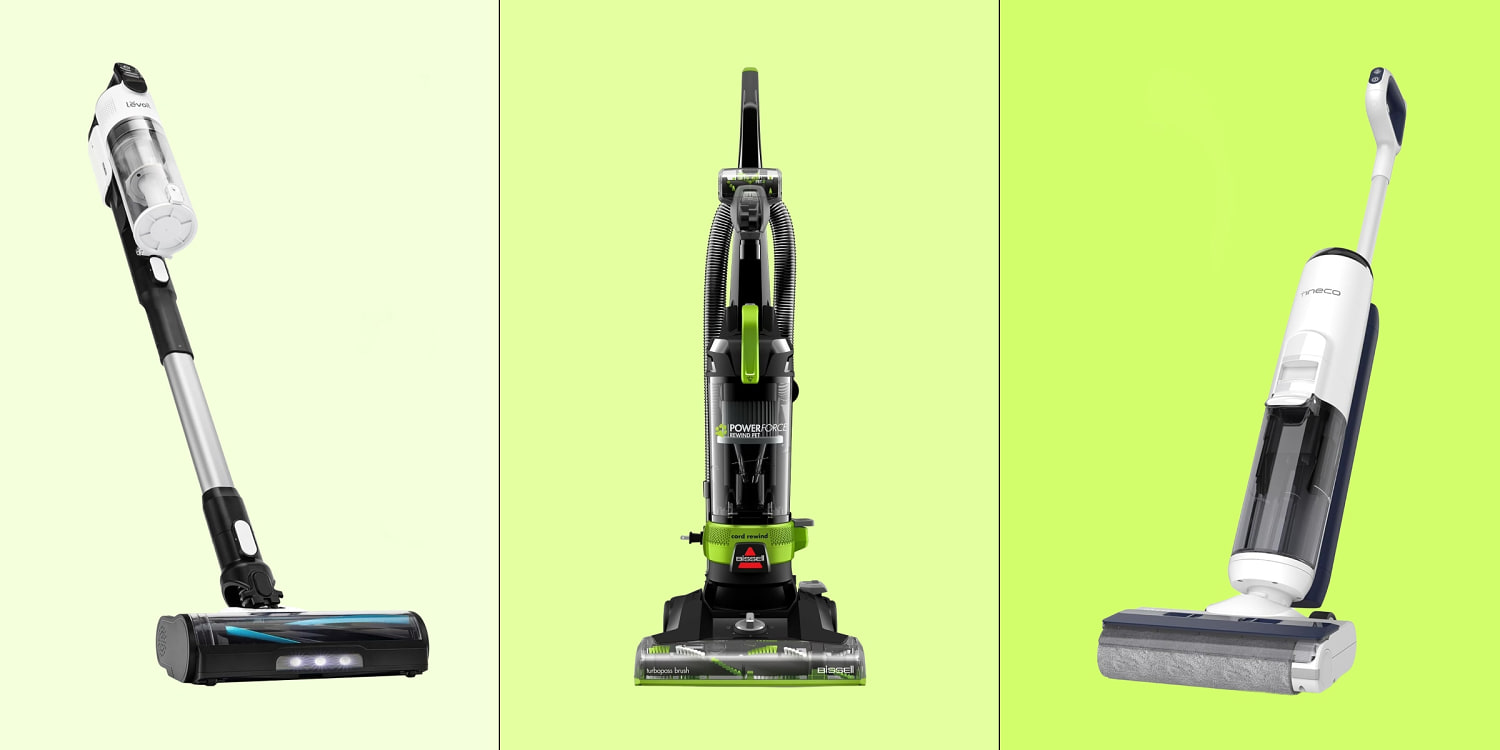
The Illusion of the Half-Price Retail Deal
That fifty percent discount sitting in your digital cart is rarely what it seems. When major online retailers display a premium cordless vacuum slashed from six hundred dollars down to three hundred, standard shopping psychology takes over. You believe you just beat the system. You think you bagged a high-end appliance at wholesale cost.
The reality is far dirtier.
Retail titans like Amazon and Walmart run pricing algorithms designed to engineer the perception of a massive bargain. Through artificial list prices, unique store-specific model numbers, and calculated seasonal inventory dumps, these platforms create discounts that exist mostly on paper. Understanding how these price cuts operate reveals a retail ecosystem built on inflated original costs and subtle component alterations.
       RETAIL PRICING ILLUSION
+------------------------------------+
|  "Original" MSRP (Inflated Target) |  --> $600 (Set high to create baseline)
+------------------------------------+
                  |
                  v
+------------------------------------+
|  Manufactured "Sale" Price         |  --> $300 (Actual intended retail value)
+------------------------------------+
                  |
                  v
+------------------------------------+
|  Perceived Savings                 |  --> 50% "Deal" (Engineered consumer rush)
+------------------------------------+
How Retailers Manufacture Original List Prices
Original list prices often have no connection to standard market valuation. Manufacturers frequently work directly with large retail platforms to set a high Manufacturer's Suggested Retail Price, or MSRP, long before a product ever hits the digital shelf. This artificially high baseline exists for one primary reason. It gives the retailer room to apply an immediate, dramatic mark-down without sacrificing their actual profit margin.
Consider how a typical mid-tier vacuum enters the market. A manufacturer creates a unit with production costs around forty dollars. Instead of listing the product at a sensible market price of one hundred and fifty dollars, the brand assigns it a theoretical list price of three hundred and fifty dollars. The product might sit at that top price for a tiny fraction of its lifecycle—sometimes only long enough to meet minimum legal thresholds for discount advertising. Once that brief window closes, the retailer slashes the price by fifty percent. The consumer sees a massive bargain. The retailer secures their intended margin. Everyone wins, except the buyer who built their expectations on a fiction.
This tactic relies heavily on price anchoring. The human brain fixes onto the first number it sees. When an original price of six hundred dollars is displayed with a strike-through line, your cognitive anchor stays fixed at six hundred. A three-hundred-dollar final tag feels like an acquisition of pure value, regardless of whether the machine was ever actually worth six hundred dollars to begin with.
The Secret World of Retail Specific Derivatives
Not all vacuums bearing the same brand name are built to the same standard. Major appliance manufacturers routinely produce derivative models specifically designed for big-box distribution.
A high-end vacuum sold through a brand's direct flagship store might feature a brushless motor, an aluminum wand, and a sealed HEPA filtration assembly. A visually identical model sold under a flash sale banner at a retail giant often carries subtle internal differences.
- Motor quality: Standard brushed motors replace longer-lasting brushless designs to trim production costs.
- Plastic grade: Cheaper polycarbonates are substituted in the outer casing and dust bin construction.
- Battery chemistry: Lower-density lithium-ion packs reduce run time while keeping the external chassis identical.
- Accessory packages: Essential attachments like motorized pet tools are swapped out for basic plastic nozzles.
Because these altered units receive unique model numbers—often differing by just a single letter at the end of a long string of digits—retailers avoid direct price matching. The model on sale for half off at a mega-retailer is not technically the same machine sitting in a specialty appliance shop. The outer shell looks identical in promotional photos, but the internal components reflect the reduced price point.
+----------------------------------+----------------------------------+
|      FLAGSHIP DIRECT MODEL       |     BIG-BOX DERIVATIVE MODEL     |
+----------------------------------+----------------------------------+
| Long-life brushless motor        | Standard brushed motor           |
| Heavy-duty aluminum wand         | Lightweight molded plastic wand  |
| Multi-stage sealed HEPA filter   | Basic foam intake filtration     |
| High-capacity battery pack       | Reduced-cell battery assembly    |
+----------------------------------+----------------------------------+
Algorithmic War for the Search Box
Dynamic pricing software controls the ebb and flow of discounts across major marketplaces. Automated scraping bots analyze rival pricing thousands of times per second. If one platform drops the price on a stick vacuum, competitors automatically match or undercut that price within minutes.
This automated arms race creates rapid price fluctuations that have little to do with traditional supply and demand. Algorithms actively test consumer willingness to pay. A vacuum might cost two hundred dollars at nine in the morning, jump to two hundred and eighty dollars by noon, and fall to one hundred and sixty dollars by midnight.
When you see a banner claiming fifty percent off, you are often looking at a temporary valley in an algorithmically generated wave. The discount is real compared to yesterday's high point, but it may be identical to the standard price offered three weeks ago.
The Dark Art of Refurbished and Open Box Binning
A significant portion of deep-discount inventory comes from returned stock. Online retail return rates for home cleaning appliances hover near twenty percent. Processing these returned units costs money, creating a massive logjam in corporate logistics warehouses.
To turn these returned units into fast cash, retail platforms group them into distinct categories.
- Factory Refurbished: Units sent back to the original manufacturer, thoroughly tested, equipped with fresh wear parts, and repackaged.
- Seller Refurbished: Items inspected by third-party vendor operations with varying degrees of quality control.
- Open Box: Returned items tossed into new outer packaging with minimal functional testing.
When retail outlets run wide clearance events, open-box items and third-party refurbished units often get mixed into general search listings alongside new stock. A badge reading "Save 50%" might point to a unit that was used for three weeks, returned with a clogged filter, wiped down with a shop towel, and slid back into a fresh brown box.
Without reading the micro-print vendor details, buyers assume they are acquiring factory-fresh merchandise.
Battery Decay and the Hidden Cost of Cordless Sales
Cordless vacuums dominate modern sales drives. They are also the appliances most prone to aggressive clearance discounting. There is a engineering reason for this pattern.
Lithium-ion batteries degrade over time, even while sitting on a warehouse pallet. A cordless vacuum stored in an unconditioned logistics center for eighteen months loses a measurable percentage of its maximum charge capacity before the box is ever opened.
Manufacturers and distributors track inventory age meticulously. When a batch of cordless units approaches the two-year mark in storage, holding costs combine with battery degradation risks. The warehouse needs to clear those pallets before the batteries fail entirely.
The resulting fifty percent discount clears old inventory off the books. You receive a vacuum that works out of the box, but its battery life may drop sharply after six months of normal use. The replacement battery module often costs upwards of eighty to one hundred dollars—effectively wiping out the initial discount you celebrated at checkout.
How to Spot Genuine Value in a Discount Sea
Filtering real deals out of marketing noise requires a methodical approach. You cannot rely on the strike-through original price presented on the screen.
Track Historical Price Data
Never accept a current list price at face value. Web browser extensions and independent tracking databases log daily price changes across major retail platforms. Before clicking the buy button, check the twelve-month price history of the specific model. If the product spends ten months of the year selling at two hundred dollars, a temporary drop to one hundred and ninety dollars is not a fifty percent discount, regardless of the six-hundred-dollar list price printed on the page.
Decipher Model Numbers
Look closely at the character string listed under the product specifications. Compare that precise model number against the manufacturer's official website. If the retailer's model ends in an unusual combination like "-RT" or "-AMZ", you are looking at a store-specific derivative built to hit a specific price point. Research those specific letters to understand what hardware modifications were made to achieve the lower cost.
Inspect the Filtration System
Suction power means nothing if dust escapes back into your living space. High-end machines feature sealed systems where all air pulled into the vacuum passes through a certified filter before exiting. Budget variants designed for mass-market sales drives frequently drop sealed air paths to cut assembly costs. Look explicitly for the phrase "sealed system" in the technical spec sheet, not just the word "HEPA."
Account for Consumables
A cheap vacuum becomes expensive if replacement parts carry absurd markups. Before purchasing a discounted unit, search for the price of standard replacement items.
- Replacement battery packs: Check availability and pricing for official manufacturer units.
- Intake and exhaust filters: Verify whether filters are washable or require monthly replacements.
- Brush rolls and drive belts: Ensure simple wear items can be swapped without replacing the entire floor head.
If replacing the battery and a set of filters costs more than seventy percent of the total price you paid for the vacuum on sale, the deep discount is a loss-leader strategy designed to extract recurring subscription-style revenue from you over time.
Smart Purchasing Strategies for Cleaning Hardware
If you want a reliable cleaning machine without paying inflated retail prices, change where and how you shop.
Consider buying commercial-grade equipment or direct-to-consumer models from dedicated vacuum manufacturers. Commercial vacuums lack sleek neon plastic housings and digital touchscreens, but they feature simple, modular internal components. When a commercial vacuum part breaks, you buy a twelve-dollar replacement component and fix it with a screwdriver in five minutes.
When shopping mainstream retail platforms during major promotional periods, skip the flash-sale banner items displayed on the front page. Those positions are frequently monetized ad placements paid for by manufacturers clearing out end-of-life stock. Search instead for mid-tier, previous-generation units from reputable manufacturers that still maintain full parts availability.
Test the suction claims. Ignore air watt metrics supplied directly by sales teams, as testing conditions vary widely across marketing departments. Focus instead on sealed suction measurements, often rated in inches of water lift. A vacuum offering strong water-lift metrics will out-clean a higher-wattage unit burdened by poor airflow engineering every single time.
Treat every major store discount as a business transaction where the retailer holds a massive information advantage. Strip away the red discount tags, ignore the strike-through lines, evaluate the underlying hardware on its technical merits, and buy only when the final dollar figure reflects real-world build quality.