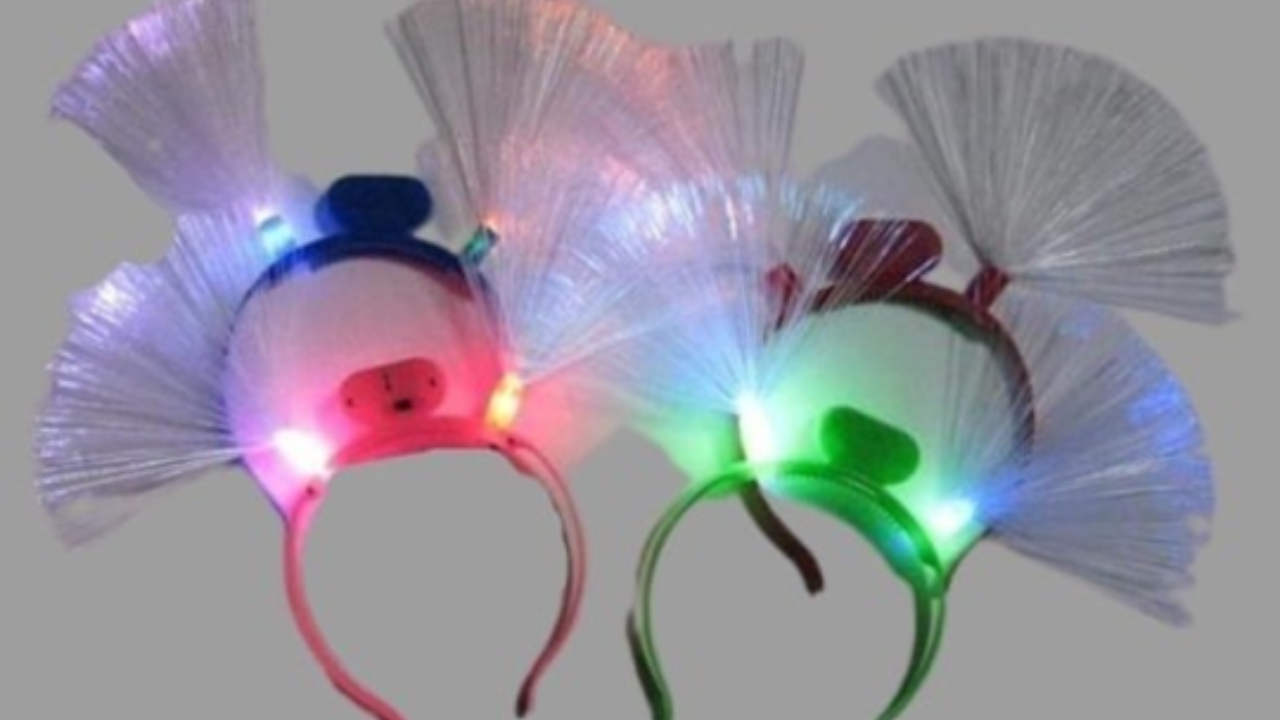
About 43,674 light-up children's toys sold for around one dollar each across a decade-long window from 2016 to 2026 are currently subject to federal safety recalls due to exposed button-cell batteries that can be accessed without tools, creating severe ingestion and internal chemical burn hazards.
A price tag of one dollar buys a momentary smile at a cash register, but it often conceals the true manufacturing compromises made thousands of miles away. When the Consumer Product Safety Commission flagged these specific novelty items—including light-up ties coded 6502, headbands coded HD-10, and glasses marked L-508—it exposed a structural vulnerability in how low-cost consumer goods enter households. For ten years, these items circulated through specialty retailers and regional warehouses without basic structural safeguards, relying on friction-fit plastic casing rather than secured screw compartments to keep lethal coin cells away from small hands.
The Mechanics of Internal Destruction
To understand why a tiny silver disc no larger than a shirt button commands such regulatory urgency, one must look past simple choking risks. When a child swallows a lithium button cell, saliva triggers an electrical current across the battery's surface. This current hydrolyzes water, generating hydroxide ions at the positive electrode.
Within hours, this alkaline chemical reaction liquefies soft tissue, creating deep internal burns that can perforate the esophagus or major blood vessels. It is a silent, rapid catastrophe that often presents with vague symptoms resembling a common viral infection. By the time an X-ray reveals the culprit, the corrosive damage is frequently extensive.
Federal standards mandate that battery compartments on children's products require a tool or a dual-action locking mechanism to open. Yet, the economics of the one-dollar novelty market discourage engineering complexity. Adding a molded screw post, a metal fastener, or sonic welding increases per-unit production costs by fractions of a cent—margins that importers operating on razor-thin profitability refuse to absorb.
The Ten-Year Blind Spot
The timeline of this specific recall—spanning from 2016 through 2026—raises uncomfortable questions regarding oversight velocity in modern commerce. Thousands of these units saturated birthday parties, school carnivals, and holiday stockings across multiple presidential administrations and regulatory cycles before authorities cataloged the hazard under CPSC recall number 26-799.
Budget novelty items often occupy a grey zone of retail distribution. Shipped in bulk clear plastic bags containing assortment mixes, they bypass the traditional quality control audits experienced by major toy conglomerates. Importers frequently shift corporate names or dissolve LLC entities when questioned, leaving regulatory bodies chasing shadows across port manifests and transient online storefronts.
Retailers who stock these impulse-buy bins rarely maintain rigorous compliance documentation for unbranded novelty lines. They function as passive conduits, trading liability for high-turnover floor space. Consequently, parents bear the burden of inspection, tasked with scouring toy chests for anonymous plastic accessories purchased years prior.
The Economics of Cheap Compliance
Fixing the import pipeline requires confronting consumer addiction to ultra-cheap manufactured goods. When items cost less than a cup of coffee, corners are not merely cut; the entire framework of structural safety is abandoned. Importers know that enforcement is reactive rather than proactive. The penalty for getting caught a decade later is simply the forfeiture of remaining inventory, a minor business cost compared to years of uninterrupted volume sales.
As regulatory agencies attempt to close the net on uncertified button-cell products, the broader market continues to flood with low-cost electronics distributed through digital marketplaces and direct-to-consumer overseas shipping channels. Until the liability shifts upstream to hold logistics networks and retail platforms legally accountable for unverified third-party inventory, the burden of safety will remain where it started: in the hands of parents inspecting dollar-store bins.


