International diplomacy often looks like a predictable script until unpredictable leaders rip it up. When Donald Trump publicly refers to North Korean leader Kim Jong Un as a "friend" and insists that Pyongyang's supreme leader will stay safe as long as he is around, it shocks traditional foreign policy experts. But for anyone paying attention to how modern political theater works, it is just another chapter in a long-running, unorthodox relationship that completely defies conventional Washington playbooks.
The Evolution of an Unlikely Political Bromance
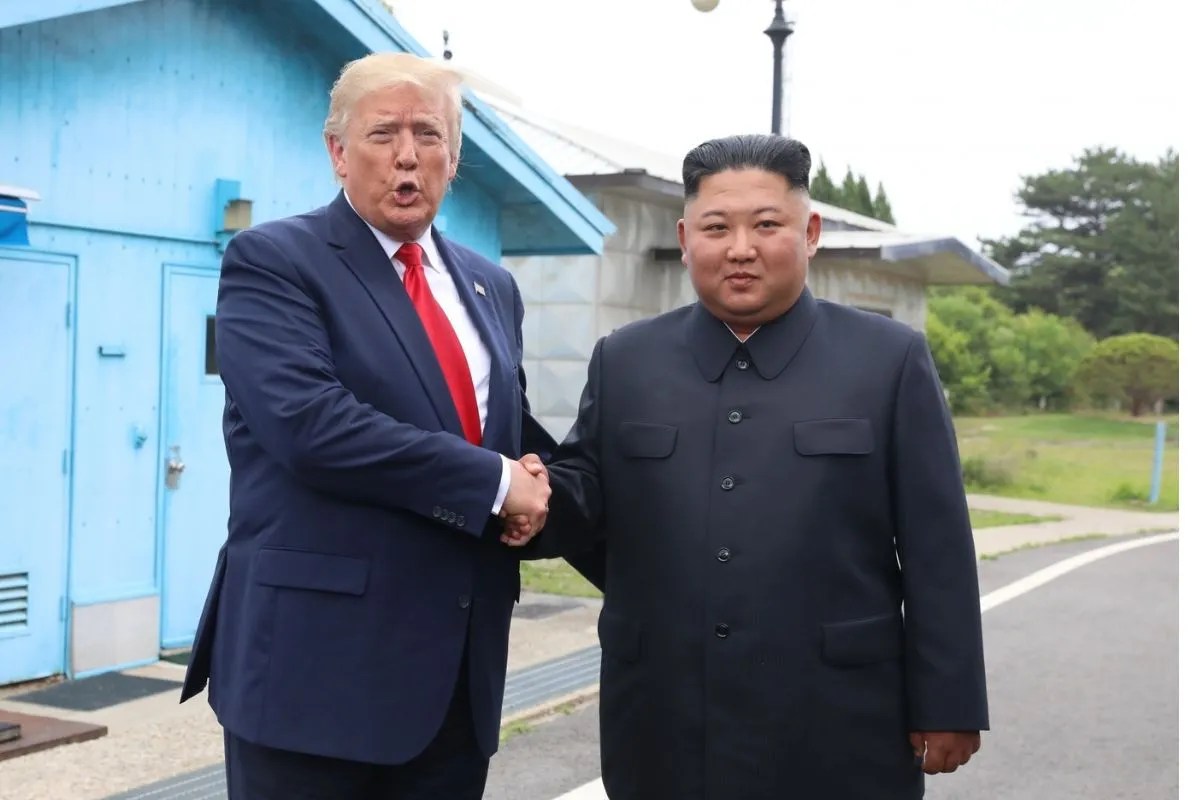
Back when Trump first entered office, the rhetoric exchanged between Washington and Pyongyang was terrifying. Threats of "fire and fury" filled the air, and many feared an actual military confrontation on the Korean Peninsula. Then came the historic pivot. The Singapore summit in 2018, followed by subsequent meetings in Hanoi and the historic handshake across the Demilitarized Zone, turned bitter enemies into self-proclaimed partners in dialogue.
Fast forward to the present political climate, and Trump's messaging hasn't softened its personal tone. By repeatedly stating that Kim likes him, respects him, and views him as a unique counterpart on the world stage, Trump is deliberately keeping a direct line open. Traditional diplomats rely on endless bureaucratic channels and embassies. Trump relies on personal rapport, breaking every rule of institutional statecraft along the way.
Why This Dynamic Frustrates Seoul and Tokyo
While hearing two heavily armed leaders talk about mutual respect might sound entertaining, it creates massive anxiety for America's traditional allies in Asia. South Korea and Japan live directly under the shadow of North Korea's expanding nuclear arsenal. When Washington starts shifting military exercises or cozying up to Pyongyang with friendly remarks, Seoul gets understandably nervous.
South Korea has spent decades building a joint defense framework with the United States. When a U.S. president singles out the North Korean dictator as a personal friend while downplaying past tensions, it disrupts the regional security balance. Allies want predictability and deterrence. What they get instead is a personalized soap opera where foreign policy depends heavily on who sits in the Oval Office and how well they get along with authoritarian leaders.
Realpolitik Versus Nuclear Reality
Let's look at the underlying facts. North Korea's nuclear capabilities didn't vanish because of photo-ops or warm letters. Pyongyang continues to refine its missile technology and stockpile warheads, regardless of personal chemistry between heads of state. Critics point out that calling Kim a friend offers the regime a massive propaganda victory without extracting any meaningful concessions on denuclearization.
Yet, from Trump's perspective, dialogue beats perpetual hostility. He views past administrations as failures that only allowed North Korea's nuclear program to grow unchecked. By positioning himself as the only person who can talk sense into Kim, Trump frames his approach as pragmatic peace-making through personal strength.
Whether this strategy achieves lasting diplomatic breakthroughs or simply gives a rogue state international legitimacy remains heavily debated. What is certain, however, is that as long as these two figures remain central to global headlines, standard diplomatic rules will not apply. Watch how regional alliances shift next, because personal politics at the highest level always carries high stakes.