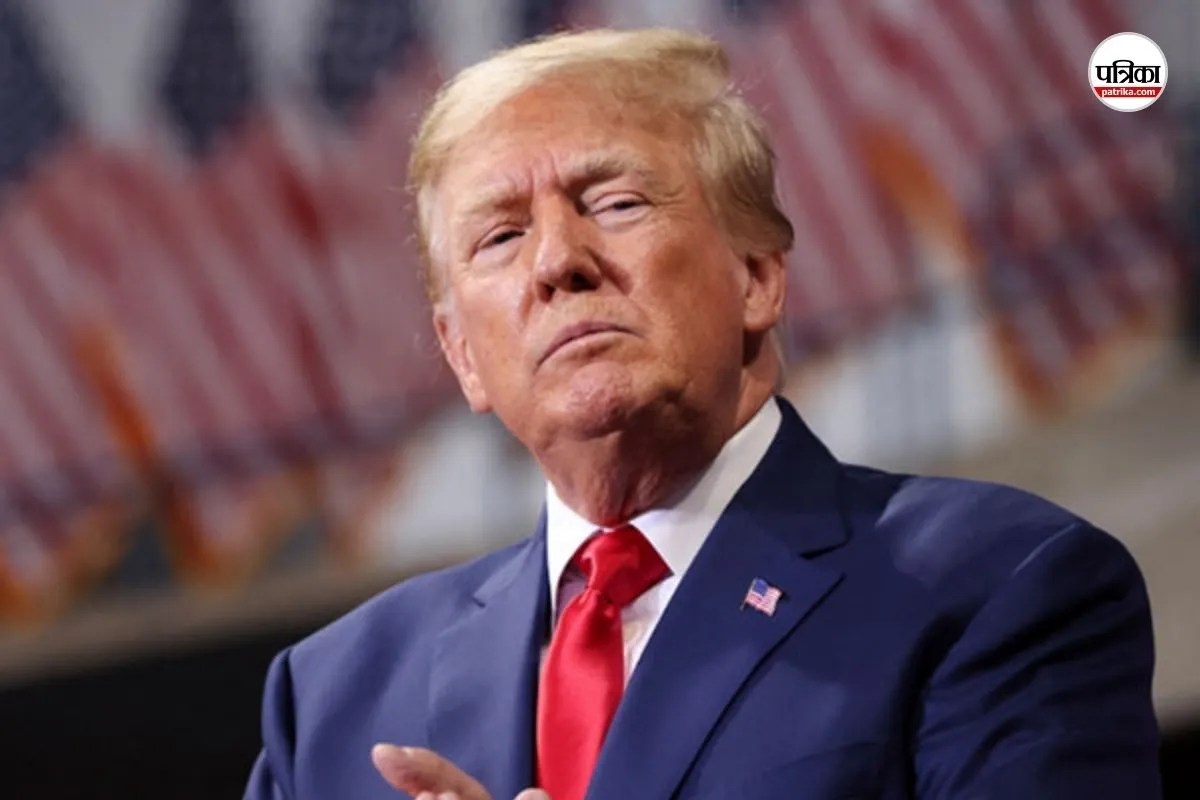
Donald Trump isn't one for subtlety. We've known this for years. But his latest social media firestorm has hit a new nerve, especially for those watching the shifting dynamics between Washington, New Delhi, and Beijing. In a series of posts that quickly went viral, the former President and current frontrunner for the 2024 GOP nomination described both India and China as "hell."
It’s a bold claim. It's also a calculated one. Trump’s rhetoric isn't just about name-calling. It’s about a specific brand of American isolationism that resonates with a frustrated voter base. When he calls these economic powerhouses "hell," he’s not talking about the scenery or the culture. He’s talking about how he perceives their trade practices and their impact on the American middle class.
Trump’s War of Words with Global Giants
The controversy erupted on Truth Social. Trump was riffing on his favorite theme: "America First." He argued that under current leadership, the U.S. has become a "dumping ground" for the world's problems. He specifically pointed to India and China, suggesting that their growth has come at a direct cost to American prosperity.
This isn't just a random outburst. It’s a strategy. By painting these nations in such a negative light, he’s setting the stage for a return to the high-stakes trade wars that defined his first term. He wants his base to see these countries not as partners, but as predators. Honestly, it’s a narrative that works for him. It simplifies complex global economics into a "us versus them" battle.
People are outraged. Twitter—or X, if you prefer—is on fire. Diplomatic circles are buzzing. But if you’ve followed Trump’s career, you know he thrives in this chaos. He doesn't care about diplomatic niceties. He cares about the headline. And he definitely got it this time.
Why India and China are in the Crosshairs
Why these two? Why now? China is the easy target. The "China Threat" is a staple of modern American politics. From intellectual property theft to the trade deficit, the grievances are well-documented. But India? That’s a bit more complicated.
Under the Biden administration, and even during the later years of the Trump administration, India has been seen as a critical strategic partner. The "Quad"—a partnership between the U.S., India, Japan, and Australia—is designed specifically to counter Chinese influence in the Indo-Pacific. By calling India "hell," Trump is effectively throwing a wrench into years of careful diplomatic bridge-building.
Here's the reality. India’s trade policies are protectionist. They have high tariffs on many American goods—Harley Davidson motorcycles being Trump’s go-to example. He’s used this "Reciprocal Tax" argument for years. He thinks if India charges a 100% tax on American bikes, the U.S. should do the same. It’s a simple eye-for-an-eye philosophy that ignores the complexities of global supply chains.
The Economic Reality Behind the Rhetoric
Let’s look at the numbers. They don't exactly paint a picture of "hell," but they do show why someone like Trump finds a foothold.
- Trade Deficit with China: It’s been a massive point of contention for decades. Despite the Phase One trade deal, the gap remains significant.
- Indian Tariffs: India historically maintains some of the highest tariffs of any major economy. For a politician focused on "fair trade," this is low-hanging fruit.
- Manufacturing Shift: As companies look to move supply chains out of China (the "China Plus One" strategy), India is a primary beneficiary. Trump sees this as jobs leaving America, not just jobs leaving China.
Critics argue that Trump’s language is dangerous. It alienates allies. It fuels xenophobia. They're not wrong. But supporters see it differently. They see a leader who isn't afraid to call out what he perceives as unfair treatment. They’re tired of "polite" diplomacy that they feel has hollowed out the American heartland.
The Impact on Global Diplomacy
If Trump returns to the White House, this rhetoric becomes policy. We’re talking about 10% across-the-board tariffs on all imports. We’re talking about potentially revoking "Most Favored Nation" status for China. And for India, it means the honeymoon phase of the U.S.-India relationship might be over.
The Indian government usually stays quiet on these matters. They prefer backchannel diplomacy. But after being called "hell," the pressure to respond is mounting. Prime Minister Modi and Trump have shared the stage before—remember "Howdy Modi"? It’s a strange shift from "best friends" to this.
It shows how fickle political alliances are in the MAGA era. Loyalty is measured by trade balances, not shared democratic values. If you aren't buying American goods at the rate Trump wants, you're the enemy. It's that simple in his world.
What This Means for Your Wallet
You might think this is just political theater. It’s not. If these words turn into a renewed trade war, you’re going to feel it.
- Higher Prices: Tariffs are taxes paid by importers. Those costs get passed to you. Everything from electronics to clothing could get more expensive.
- Market Volatility: Markets hate uncertainty. Every time Trump posts something like this, tech stocks and manufacturing shares take a hit.
- Supply Chain Disruption: If trade with India and China becomes more difficult, companies will scramble. That leads to shortages and delays.
Don't expect him to walk this back. He doesn't apologize. He doubles down. It’s the playbook. He’s betting that the anger of the American consumer toward rising costs is less than their anger toward perceived foreign "cheating." It’s a risky bet.
Navigating the Noise
So, what do you do with this information? First, stop taking the hyperbole literally. India and China aren't "hell." They are complex, growing economies with deep ties to the U.S. system. Second, prepare for a very loud, very aggressive election cycle. This is just the beginning.
Watch the trade data. That’s where the real story lives. Don't just follow the headlines. Look at what’s actually happening with import-export numbers. If you're an investor, diversification outside of high-tariff sectors is probably a smart move right now. If you're a consumer, maybe buy that big-ticket item before the next round of tariffs kicks in.
The world is watching. Beijing is calculating its response. New Delhi is likely frustrated. And in the middle of it all, Trump is doing exactly what he intended: making sure everyone is talking about him. He knows that in the attention economy, outrage is the most valuable currency. He’s currently the richest man in the room.
Stay skeptical of the extremes. The truth usually sits somewhere in the boring middle, far away from the "hell" Trump describes. Keep your eye on the policy shifts that follow these posts. That's where the real impact happens. Don't let the noise distract you from the actual shifts in global power.
Check your sources. Follow the trade bills. Prepare for a bumpy ride in the global markets. The rhetoric is only going to get louder from here. Be ready for it.