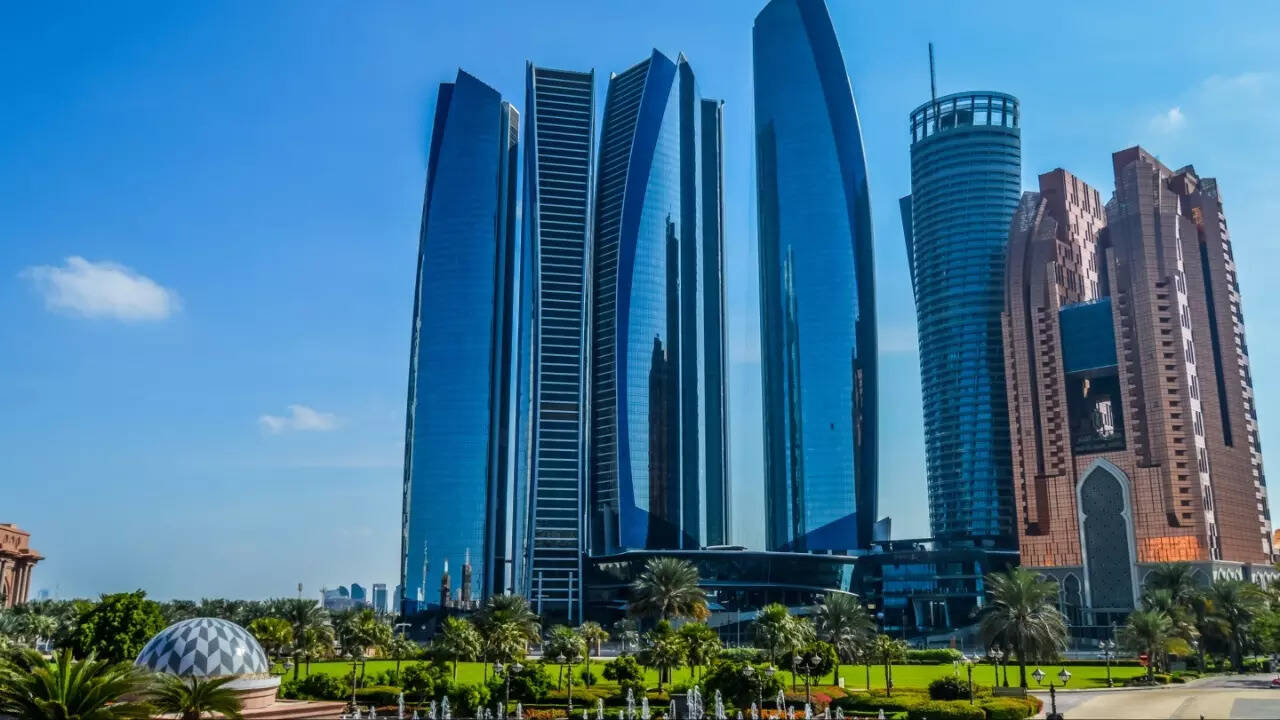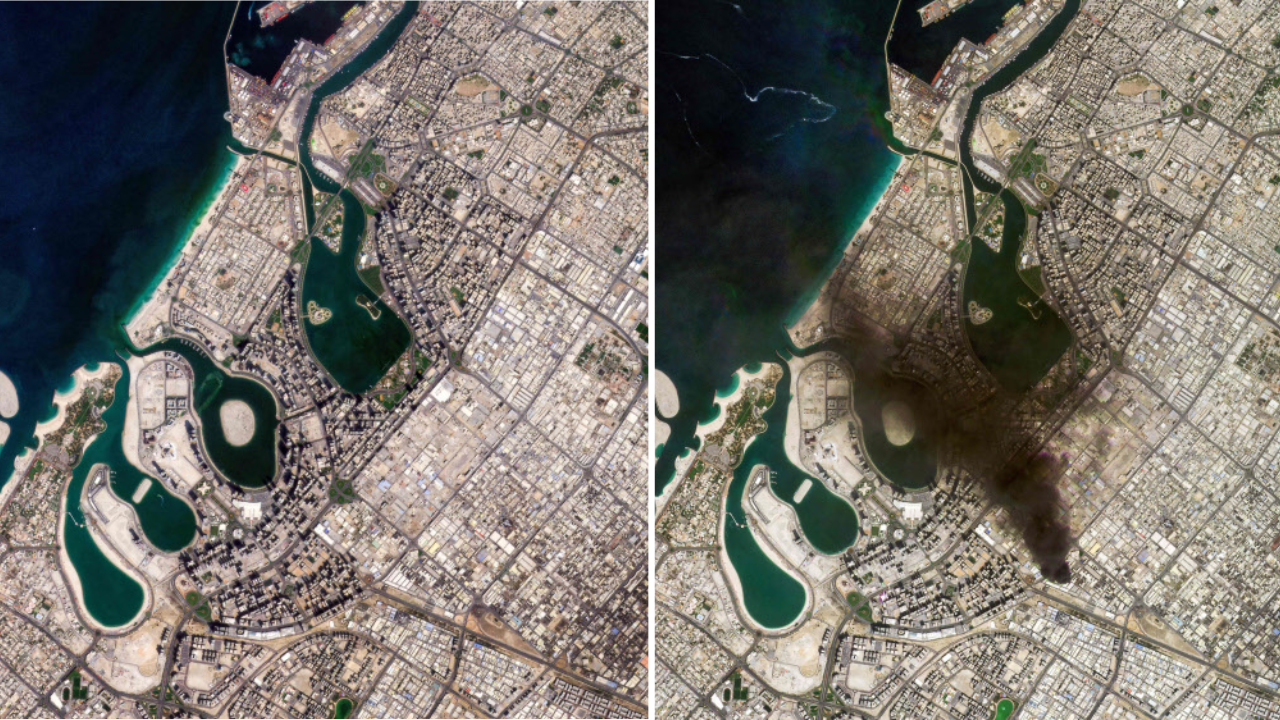
The illusion of an untouchable oasis just evaporated. For years, the pitch for Dubai was simple: a glitzy, tax-free sanctuary where regional chaos stayed behind a velvet curtain. That curtain was shredded this weekend. New satellite imagery from March 1, 2026, has confirmed what social media videos hinted at through layers of smoke—Iran's retaliatory strikes against U.S. and Israeli actions didn't just rattle windows; they hit the bedrock of the UAE's stability.
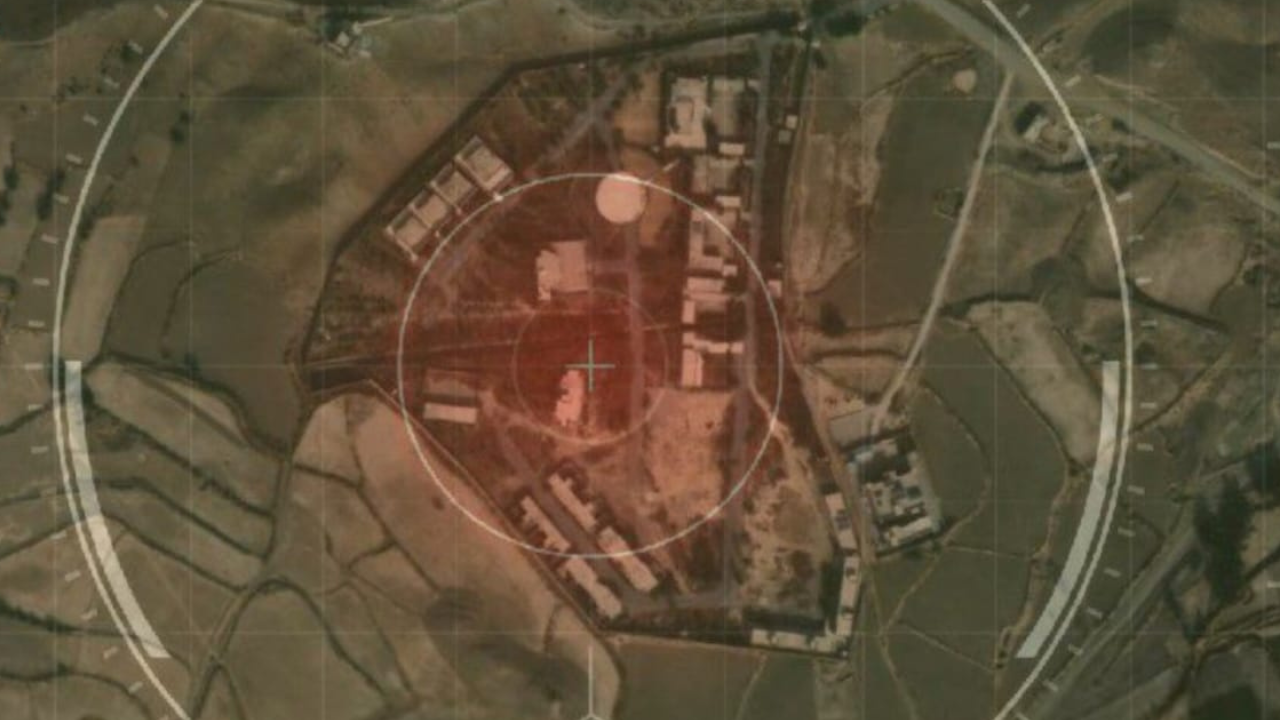
If you're looking at the Planet Labs imagery from late February versus today, the contrast isn't just a matter of "before and after." It's the visual record of a paradigm shift. On February 24, the satellite view of Jebel Ali Port was a textbook of logistical perfection. By March 1, thick, oily plumes of black smoke were billowing over the same berths. It's not the "total destruction" some hysterical headlines claimed, but for a city built on the promise of absolute safety, it's plenty.
The Geography of a Bad Weekend
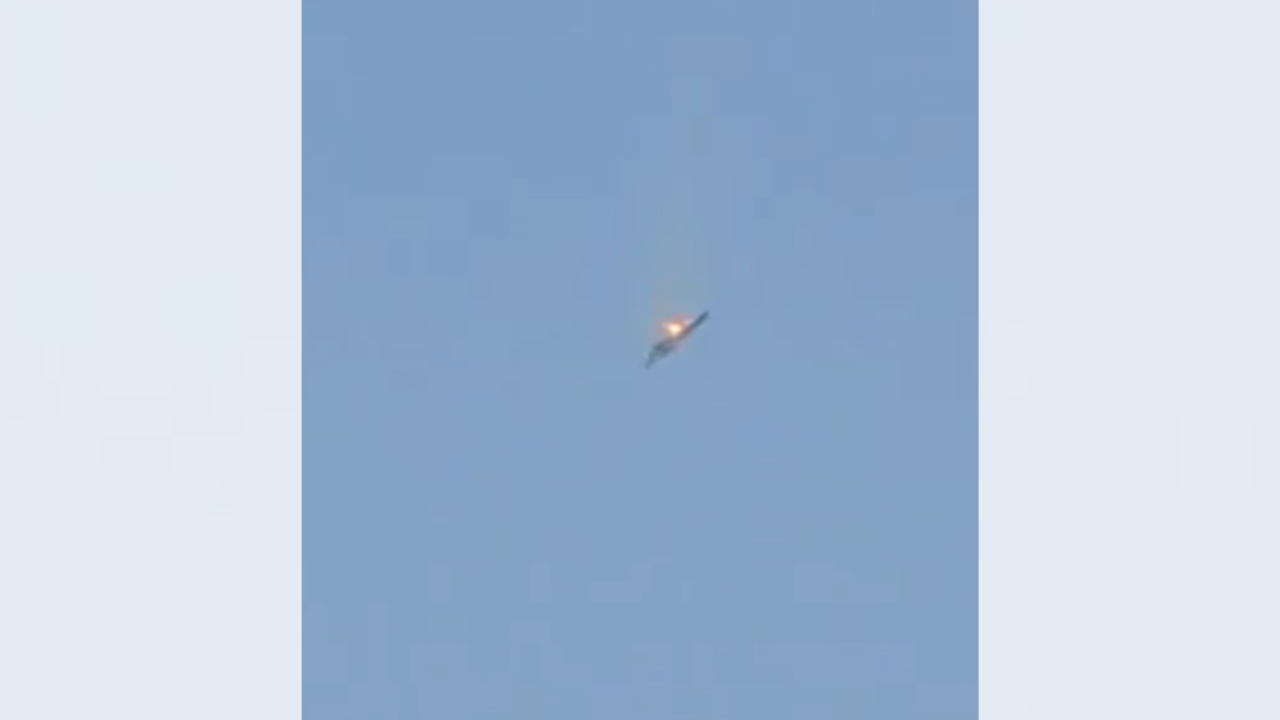
The scale of this thing is what people are missing. This wasn't a stray drone. The UAE Ministry of Defense admitted that since February 28, they've tracked a massive swarm: 165 ballistic missiles and over 500 drones. While the Patriot batteries and Emirati air defense systems did heavy lifting—intercepting the vast majority—math is a cruel mistress. You can't catch everything when the sky is that crowded.
The damage points confirmed by satellite and ground-level reports tell a story of "debris impact" and localized fires that hit the biggest names in the city:
- Jebel Ali Port: Satellite visuals show one berth specifically engulfed in smoke after being hit by debris from an intercepted missile. This isn't just a pier; it's the lungs of Dubai's economy.
- Dubai International Airport (DXB): The world's busiest hub for international traffic saw a concourse sustain "minor damage." Four staff members were injured. The airport basically went into a defensive crouch, suspending operations while authorities assessed the risk of more incoming fire.
- Palm Jumeirah: This is the one that really hurts the brand. Videos and satellite photos show fires at the Fairmont The Palm. Imagine paying for a five-star vacation and ending up in a bomb shelter.
- Burj Al Arab: Even the iconic sail-shaped hotel wasn't spared, with falling debris from a drone interception sparking a fire on the premises.
Why Interceptions Still Look Like Hits
There’s a common misconception that if a missile is "intercepted," the danger vanishes. It doesn't. Physics dictates that whatever goes up must come down. When an interceptor hits a heavy Iranian drone or a ballistic missile over a densely populated area like Dubai, you’re essentially creating a shower of supersonic scrap metal and unspent fuel.
This is exactly what we’re seeing in the satellite imagery. The "black smoke" over the industrial zones isn't necessarily from a direct hit by a warhead. It’s often the result of falling debris igniting chemical storage or fuel tanks. One person died in Abu Dhabi from exactly this kind of "successful" interception. It’s a grim reminder that in modern urban warfare, defense can be as messy as the attack.
The Economic Aftershock
Dubai lives and dies by its reputation. You don't attract 90% of your population from overseas if they think their apartment might get hit by a Shahed drone on a Saturday night. The immediate response has been a total freeze. The Abu Dhabi Securities Exchange and the Dubai Financial Market have suspended trading until at least March 3.
Real estate agents who usually spend their weekends selling "serenity" are now fielding calls about insurance policies and structural integrity. For the first time in history, the GCC states (Bahrain, Qatar, Kuwait, and the UAE) were all targeted by the same actor within a 24-hour window. The "safe haven" narrative hasn't just been challenged; it's been rewritten.
What This Means for You
If you’re currently in the UAE or have business interests there, the situation is evolving faster than the news cycle can keep up.
- Follow Official Channels Only: The Ministry of Defense and the Dubai Media Office are the only reliable sources. Avoid the "WhatsApp Forward" panic that usually accompanies these events.
- Aviation is a Mess: Don't just check your flight status; assume it's cancelled or rerouted. Airspace over much of the Gulf is currently a restricted zone.
- Hybrid Work is Back: Many UAE firms have already pivoted to remote work to keep employees off the roads and out of high-profile office towers that might be near potential targets.
The satellite photos don't lie. They show a city that is resilient but suddenly vulnerable. The smoke will eventually clear, but the realization that the regional "buffer" is gone will linger much longer.
If you're stuck in the region or have family there, keep the emergency helpline numbers handy: the UAE has set up dedicated lines (800-46342) and WhatsApp support for foreign nationals caught in the disruption. Get your documents in order and stay indoors until the air defense alerts are officially lifted.