The air in an old cabin doesn't just smell like cedar and age. It smells like silence. When you swing open the heavy wooden door of a summer rental or a long-neglected tool shed, a shaft of sunlight usually cuts through the gloom, illuminating a million tiny diamonds dancing in the air. Most people see beauty. They see a nostalgic reminder of time passing.
They don’t see the predator hiding in the motes.
In late spring, the world feels like it is waking up, but for three people whose lives were nearly extinguished by a microscopic stowaway, the season marks the anniversary of a biological ambush. They didn't catch a cold. They didn't step on a rusty nail. They simply breathed.
The Weight of a Shadow
Think of your lungs as a delicate, branching forest. Every breath is a breeze intended to keep the leaves green. But when Hantavirus enters that forest, it doesn't just sit there. It begins to rewrite the rules of your internal plumbing.
Sarah didn't think much of the deer mouse droppings she swept out of her pantry in rural Colorado. It was a chore, nothing more. A week later, the fatigue hit. It wasn't the kind of tired you feel after a long day at the office; it was a bone-deep, leaden exhaustion that made her eyelashes feel heavy. Then came the fever. Then came the pain.
"It felt like someone had driven a jagged hunting knife between my shoulder blades," she remembers. "Every time I tried to draw a breath, the knife twisted."
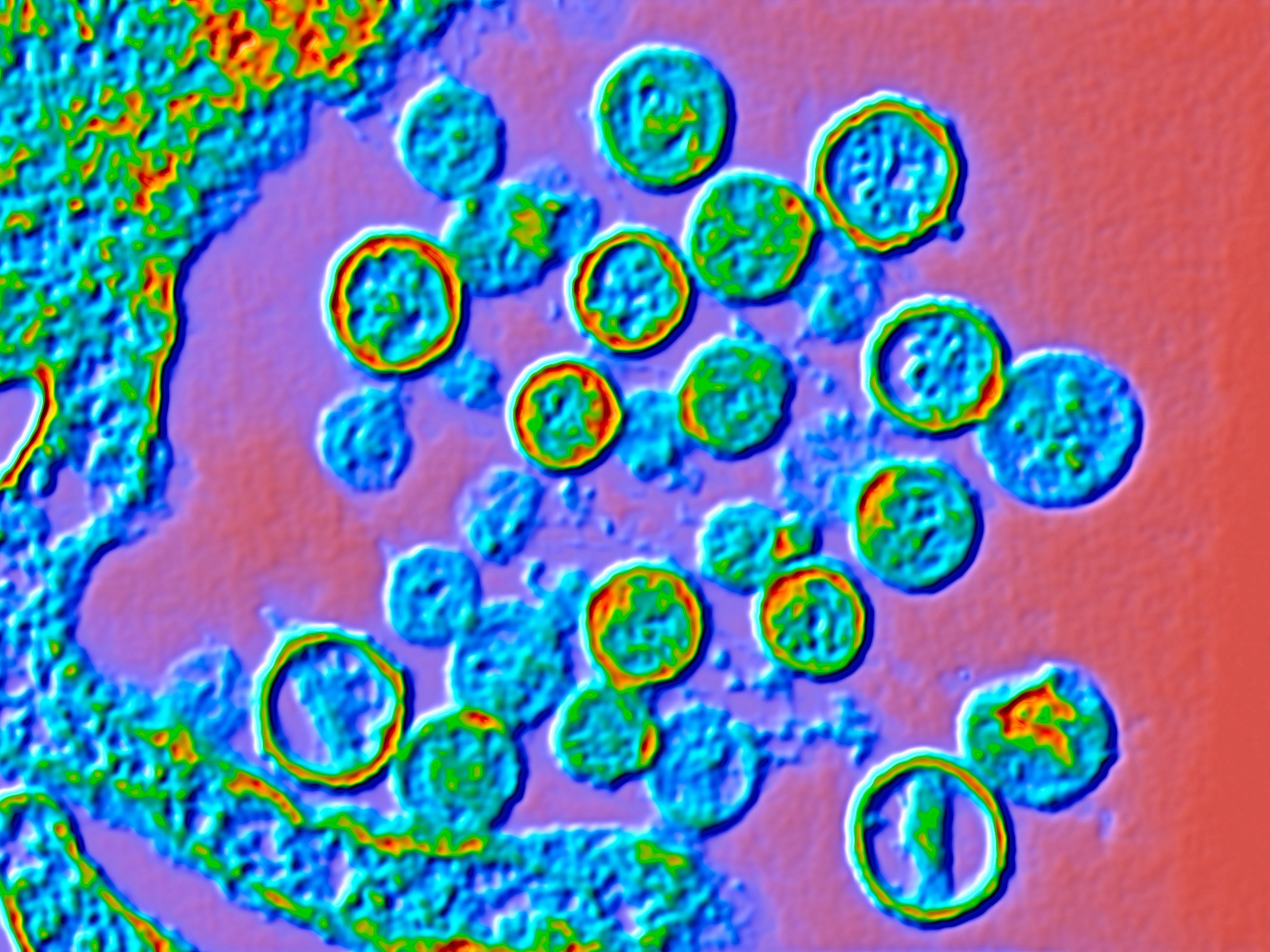
This is the hallmark of Hantavirus Pulmonary Syndrome (HPS). While we often associate viral infections with sneezing and runny noses, Hantavirus skips the pleasantries. It targets the endothelium—the thin layer of cells lining your blood vessels. Specifically, the vessels in your lungs.
Normally, these vessels are tight, efficient pipes. Under the influence of the virus, they begin to leak. Your own plasma, the fluid part of your blood, starts seeping into the air sacs where oxygen is supposed to go. You aren't drowning in water from a lake. You are drowning from the inside out, using your own life force to fill the space where breath should live.
The Invisible Messenger
The culprit is the deer mouse, Peromyscus maniculatus. To look at one is to see a creature of pure innocence: oversized ears, white underbelly, and dark, soulful eyes. They are the primary reservoirs for the Sin Nombre virus, the most common strain of Hantavirus in North America.
The virus lives in their saliva, urine, and droppings. It doesn't make the mouse sick. They carry it like a secret. When those waste products dry out, the virus becomes aerosolized. A broom, a vacuum, or even a sudden gust of wind in a crawlspace sends the particles airborne.
Consider the mechanics of a single breath. You inhale roughly two gallons of air every minute. In a contaminated space, that is thousands of opportunities for a single viral strand to find a home.
Mark, a carpenter in New Mexico, thought he was just dealing with a late-season flu. He was forty, fit, and convinced he could work through anything. By day three, he couldn't walk from his bed to the bathroom without gasping.
"I remember looking at my hands," Mark says. "My fingernails were turning a bruised, ghostly blue. I realized then that my body had stopped belonging to me. It belonged to the virus."
The statistics are a cold shower. HPS has a mortality rate of roughly 35 percent to 40 percent. To put that in perspective, it is significantly more lethal than most strains of the flu. It is a high-stakes gamble where the buy-in is as simple as cleaning out a garage without a mask.
The Race Against the Leak
Medical intervention for Hantavirus is a frantic exercise in biological dam-building. Because it is a virus, antibiotics are useless. There is no "cure" in the traditional sense—no magic pill that shuts the infection off overnight. Instead, doctors must keep the patient alive long enough for their own immune system to figure out how to fight back.
This usually means a ventilator. In severe cases, it means ECMO (Extracorporeal Membrane Oxygenation), a machine that takes the blood out of the body, oxygenates it artificially, and pumps it back in. It is a bypass for the lungs, a way to breathe when the "forest" is completely underwater.
David, the third survivor, spent two weeks in a drug-induced coma while a machine breathed for him. He describes the recovery not as a victory, but as a slow, painful crawl back to the land of the living.
"When I finally woke up, I had to learn how to swallow again," David says. "I had to learn how to move my legs. The virus didn't just attack my lungs; the lack of oxygen had frayed my entire nervous system."
The path to the hospital is often paved with a critical mistake: the belief that "it's just a bug." Because the early symptoms—muscle aches in the thighs and hips, headaches, and nausea—mirror so many common ailments, people wait. They wait until the respiratory distress begins. By then, the leakage in the lungs is already a flood.
Redefining the Clean
We are taught from childhood that cleaning is a virtue. We scrub, we sweep, we polish. But in the context of Hantavirus, traditional cleaning is a liability.
If you find yourself standing before a space that has been closed up—a shed, a cabin, a basement—and you see the telltale signs of rodents, stop. Do not reach for the broom. Do not turn on the vacuum.
The strategy must be one of suppression, not agitation.
Imagine the virus as a fine, invisible powder. If you wet it down, it stays put. Public health experts recommend a mixture of bleach and water—one part bleach to nine parts water. You soak the area thoroughly. You let it sit for ten minutes, allowing the bleach to dismantle the virus's protein coat. Only then do you wipe it up with paper towels, wearing gloves and, ideally, a respirator with a P100 filter.
It sounds like overkill for a mouse. It feels like paranoia until you speak to someone like Sarah, who still panics when she sees a dusty corner.
"People think I'm obsessive," she says. "They see me with my spray bottle and my mask and they roll their eyes. But they haven't felt the knife in their back. They haven't felt their lungs turn to stone."
The Geography of Risk
While the Four Corners region of the American Southwest is the historic epicenter of Hantavirus awareness, the virus is not a regional prisoner. It has been documented across the Americas, from the snowy reaches of Canada to the tip of Argentina.
The risk fluctuates with the weather. A particularly wet winter leads to an explosion in vegetation. More seeds and nuts mean more mice. More mice mean more contact with humans. It is a direct line from a rainy January to a crowded ICU in May.
We live in a world that we like to think is paved and controlled. We build walls to keep the wilderness out, but the wilderness is persistent. It finds the gaps in the baseboards. It finds the tiny holes where the plumbing meets the floor. It huddles in the insulation of our attics, leaving behind a lethal residue that waits for the next spring cleaning.
The survivors carry a specific kind of wisdom. They no longer trust the silence of an old room. They know that the air we breathe is a shared resource, sometimes occupied by guests who don't care about our survival.
They don't want you to be afraid of the outdoors. They want you to respect the small things. They want you to understand that the difference between a productive weekend chore and a fight for your life is often nothing more than a spray bottle and a moment of caution.
The sun continues to shine through the windows of old cabins, casting those long, beautiful beams across the floor. The dust still dances. But now, you know what those diamonds might actually be. You know that some things are better left undisturbed until you are ready to face them with the proper shield.
The lungs are a forest. Some days, the most important thing you can do is make sure the wind stays clear.