Children in the Democratic Republic of the Congo suffer disproportionate mortality during Ebola outbreaks because isolation protocols, delayed care-seeking, and fragile pediatric systems collide at the exact moment a young body loses fluid and electrolytes. In outbreaks across Central Africa, frontline responders and parents face a wrenching reality: standard containment measures often keep sick children separated from the comfort of their mothers or force families to choose between an unfamiliar treatment center and familiar care at home. Understanding why children die at high rates during Ebola outbreaks requires looking past the virus itself and examining how clinical realities, household economics, and emergency response mechanics interact on the ground.
Ebola is often discussed in dramatic shorthand, as if every exposure follows an identical script. It does not. The Ebolavirus genus includes distinct species, and outbreak severity varies depending on the specific viral species, how quickly transmission chains are mapped, and how fast patients reach supportive care. What remains consistent across decades of response experience is that supportive care saves lives, and children face steep biological and logistical disadvantages when care arrives late.
How Ebola Attacks Young Bodies
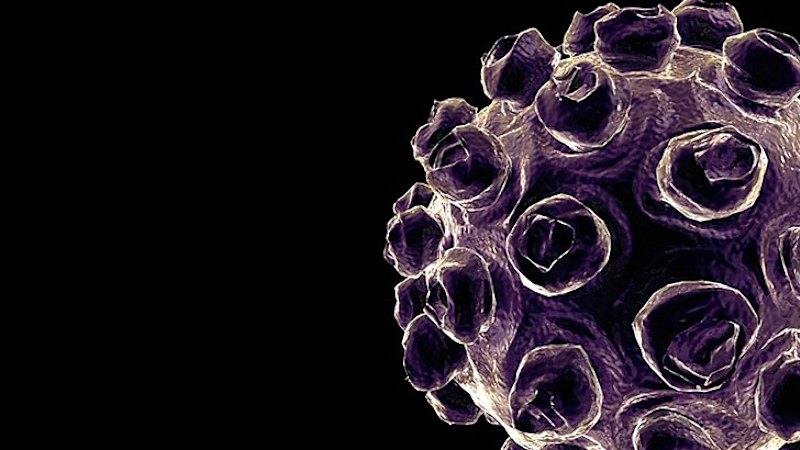
Ebola is a filovirus that targets cells lining blood vessels as well as immune cells such as macrophages and dendritic cells. Once inside the body, viral replication triggers an intense inflammatory response and damages vascular integrity. Patients lose fluids rapidly through severe vomiting and diarrhea, leading to hypovolemic shock, electrolyte imbalances, organ dysfunction, and, in some cases, bleeding complications.
Adults can sometimes tolerate moderate fluid shifts for a short window before collapsing. Infants and young children cannot. Pediatric physiology features a higher ratio of body surface area to mass and smaller fluid reserves relative to metabolic demand. A bout of persistent vomiting or watery diarrhea that leaves a healthy adult exhausted and thirsty can push a toddler into dangerous dehydration and hypoglycemia within hours.
Fever complicates that picture further. High temperatures increase insensible fluid loss and metabolic strain, especially when a child is already refusing oral fluids because of nausea, mouth sores, or profound lethargy. Without timely intravenous rehydration, careful monitoring of electrolytes like potassium and sodium, and treatment for secondary infections or co-existing illnesses such as malaria, survival odds drop sharply.
Even when a child survives the acute phase, recovery is rarely tidy. Survivors of Ebola virus disease can experience lingering joint pain, vision problems, fatigue, and neurological or psychological effects. In children, prolonged illness and hospitalization can disrupt growth, nutrition, and schooling, leaving families with long-term medical and caregiving burdens long after epidemiologists declare an outbreak over.
The Agony of Isolation and Caregiving
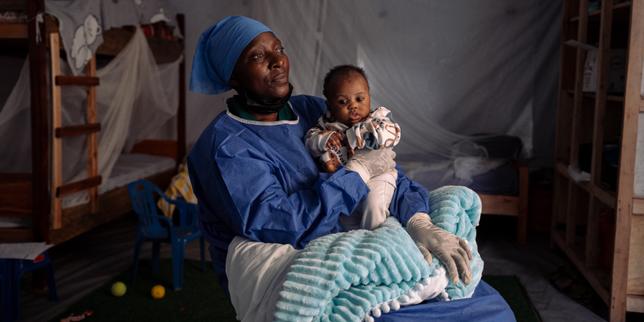
Anyone who has spent time near an Ebola Treatment Center knows the emotional toll of the red zone. Protective gear turns a caregiver into a muffled, sweating figure behind goggles and thick gloves. That barrier protects health workers from contaminated body fluids, yet it strips away the ordinary human touch a frightened child craves when hurting and feverish.
Parents face a painful bind. Many mothers want to stay beside a sick child to soothe them, feed them, and watch for subtle changes in breathing or alertness. Yet bringing an unexposed parent into a high-risk ward creates exposure risk, while keeping a child in isolation away from familiar faces causes acute distress for both child and parent.
Hypothetical example: Consider a hypothetical mother in a rural health zone who brings her four-year-old son to a triage post after two days of fever and diarrhea. Staff explain that if his rapid or confirmatory test comes back positive, he will be admitted to a ward where she cannot hold him skin-to-skin without full personal protective equipment, and visiting rules will be strict. Even if she agrees in principle, she has to weigh who will care for her other children at home, how she will pay for food or transport if the facility is far from her village, and whether community neighbors will stigmatize her household afterward.
That example captures why fear and hesitation are rational responses to an overwhelming situation rather than mere ignorance. When a family sees a loved one taken into a restricted facility and hears rumors—sometimes fueled by misinformation, sometimes rooted in real grievances over past abuses or opaque communication—trust frays. Every hour spent debating whether to go to a clinic or try home remedies is an hour the virus uses to advance.
Why Pediatric Care Gets Squeezed in Emergencies
Emergency health responses are built for speed, standardization, and containment. Those priorities can clash with the nuanced needs of pediatric care. A treatment protocol designed around adult fluid volumes or standard adult dosing charts requires careful adjustment for a six-kilogram infant or an eight-year-old child.
Supply chains in remote areas of the Democratic Republic of the Congo add another layer of friction. Roads can be washed out or insecure. Electricity for cold chains and medical equipment may depend on generators that run low on fuel. Pediatric-specific supplies—appropriate cannula sizes, accurate measuring tools for oral rehydration and medications, age-appropriate nutritional support—are sometimes thinner on the ground than generic adult stock.
Triage adds another trap. Early symptoms of Ebola—fever, headache, fatigue, abdominal pain, vomiting, diarrhea—look almost identical to malaria, typhoid, cholera, or common viral gastroenteritis. In endemic settings where children get fevers frequently, parents and local clinicians alike see familiar symptoms first. By the time it becomes clear that an illness is not routine malaria, precious days may have passed, and household contacts may already have been exposed while nursing the child.
Beyond the Clinic: Hidden Drivers of Child Vulnerability
Focusing solely on hospital wards misses what happens outside them. In many households across the Democratic Republic of the Congo, women and children carry heavy caregiving and domestic responsibilities. When a mother falls ill, young children may lose their primary caregiver and nutrition source abruptly. Conversely, when a child falls ill, mothers often shoulder the brunt of care, exposing themselves to bodily fluids if proper infection prevention and control supplies and training are missing at home.
Economic pressure shapes every decision. A parent who leaves farm work, petty trade, or daily labor to travel to a referral center faces immediate income loss. Transport costs add up quickly on rough terrain. Even when Ebola treatment itself is provided free of charge through emergency programs, indirect costs—food for an accompanying relative, lodging, lost wages, funeral expenses if the worst happens—can push a vulnerable household deeper into hardship.
Security and displacement further complicate outbreaks in eastern and central parts of the country. Armed conflict and population movement uproot families, strain local clinics, and make contact tracing far harder. When people flee violence or move seasonally for work and trade, health teams trying to monitor exposed children for twenty-one days face moving targets and disrupted communication networks.
There is also a counter-argument worth examining honestly: aggressive, top-down containment measures can sometimes backfire if they alienate communities. Heavy security escorts around response teams, rigid burial rules that clash with deeply held cultural rites, or top-down messaging delivered without local leaders can drive transmission underground. Effective outbreak control requires balancing strict infection prevention and control with genuine community partnership, transparency, and respect for local customs.
What Actually Changes Outcomes
Decades of outbreak response point to practical levers that improve survival and reduce spread, even though none of them is a magic bullet.
- Earlier symptom recognition and rapid testing: Equipping peripheral clinics and community health workers to spot warning signs quickly, isolate suspected cases safely, and move samples fast shortens the dangerous gap between onset and supportive care.
- Aggressive, child-tailored supportive care: Prioritizing early fluid and electrolyte replacement, blood sugar and temperature management, and treatment of co-infections gives young patients a much stronger fighting chance.
- Vaccination and therapeutics where available: Deploying approved vaccines—such as rVSV-ZEBOV for eligible populations against Zaire ebolavirus—and targeted monoclonal antibody treatments where indicated helps protect contacts, health workers, and patients, while recognizing that availability, cold-chain logistics, and species specificity determine where and how they can be used.
- Humane family engagement: Finding safe ways to keep parents informed, involved in age-appropriate support where risk can be managed, and supported economically reduces fear and builds trust.
- Stronger routine health systems: Outbreaks hit hardest where baseline primary care, maternal and child health services, and clean water infrastructure are already stretched thin.
A gray area remains in how emergency responders balance speed against long-term health system building. Funneling massive resources into a short-term emergency response can temporarily pull staff or attention away from routine childhood immunization, measles control, or malaria treatment unless planners deliberately reinforce everyday care alongside outbreak containment. Another tension lies in communication: telling the public the truth about high fatality rates is essential for risk awareness, yet fatalistic messaging can convince families that seeking care is pointless.
Protecting children during Ebola outbreaks in the Democratic Republic of the Congo demands more than emergency sirens and protective suits. It requires meeting families with candor, practical support, and child-centered medical care before a treatable fever turns into an irreversible tragedy. Audit your local clinic readiness, supply chains, and community trust channels before the next suspected case walks through the door.