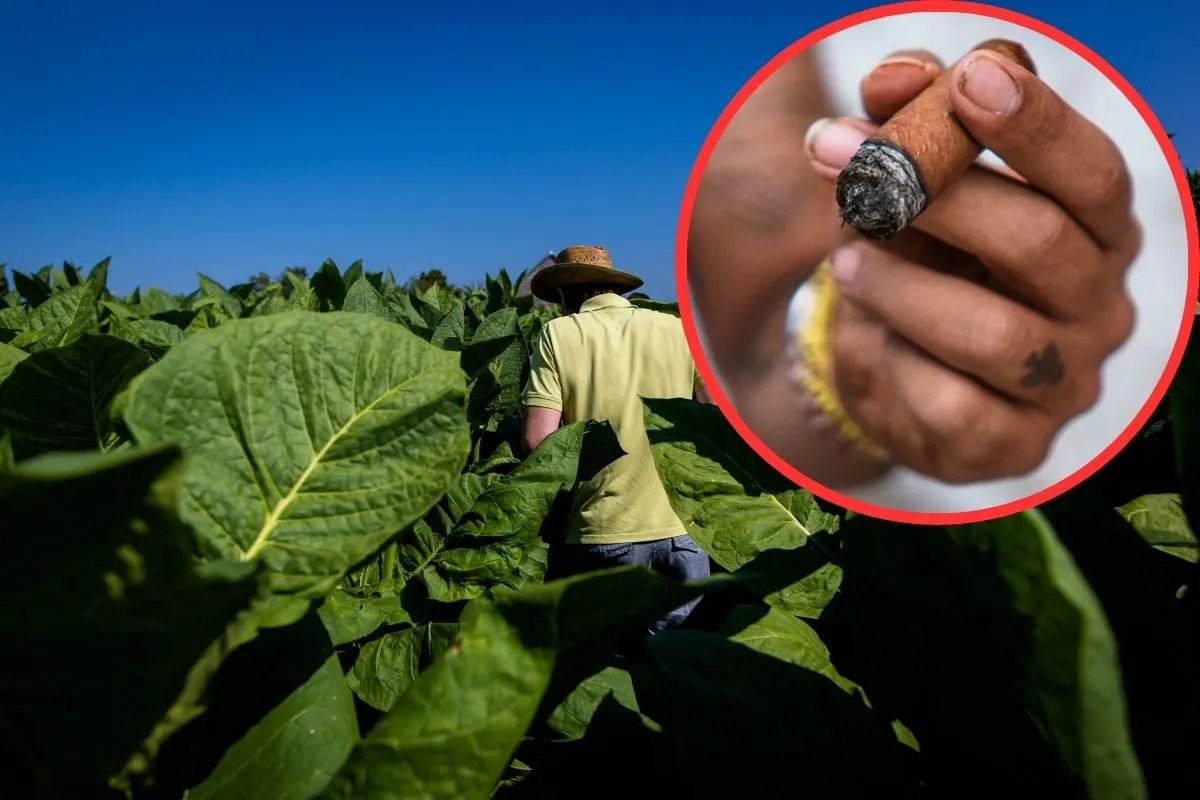
The survival of the Cuban cigar industry—a sector responsible for approximately $500 million in annual export revenue—is no longer a question of agricultural tradition but a battle against compounding systemic bottlenecks. While popular narratives focus on the diplomatic friction between Washington and Havana, a cold-eyed analysis of the supply chain reveals that the U.S. embargo functions as a structural tax on every stage of production, from seed germination to international distribution. The industry faces a triadic threat: restricted access to specialized agricultural inputs, an energy grid on the verge of total collapse, and a brain drain of master rollers that threatens the intellectual property of the brand itself.
The Structural Anatomy of the Cuban Tobacco Supply Chain
To understand the crisis, one must deconstruct the production process into three distinct operational pillars: Cultivation, Curing, and Crafting. Each pillar is currently experiencing a specific form of degradation.
1. The Input Bottleneck (Cultivation)
The Vuelta Abajo region possesses a unique microclimate and soil composition that defines the Habano profile. However, soil quality is not a static asset; it requires constant remediation. The U.S. embargo restricts the import of high-grade fertilizers and pesticides from the nearest geographic markets. Consequently, Cuba is forced to source these essentials from Europe or Asia, incurring exorbitant shipping costs and extended lead times.
The lack of modern irrigation hardware further complicates the situation. Without consistent access to replacement parts for pumps and tractors, farmers are forced to revert to animal-driven plowing and manual watering. This regression reduces yields and increases the vulnerability of the crop to unpredictable climate shifts, such as the increasing frequency of Caribbean hurricanes.
2. The Energy Deficit (Curing)
Tobacco leaves require a meticulously controlled curing process to transform chlorophyll into the complex sugars that define flavor. This requires stable humidity and temperature controls within curing barns (casas de tabaco). Cuba’s current energy crisis, characterized by daily blackouts, prevents the use of mechanical ventilation or dehumidification systems.
When the curing process is interrupted by temperature spikes or moisture accumulation, the crop risks "pole rot" or fungal infections. In a high-margin industry where 10% of the harvest represents the difference between profit and insolvency, these energy-driven losses are catastrophic.
3. The Human Capital Flight (Crafting)
The value-add of a Cuban cigar lies in the Torcedor—the master roller. This is a skill-intensive trade that requires years of apprenticeship. The economic crisis has triggered a massive migratory wave, with many skilled artisans leaving the country. This creates an "experience gap" in the factories. When the ratio of apprentice to master rollers skews too far toward the former, the structural integrity of the cigar (the draw, the burn rate, and the physical aesthetics) suffers.
The Cost Function of Global Sanctions
The U.S. embargo acts as a force multiplier for every inefficiency within the Cuban state-run model. The financial architecture of the industry is particularly hindered by the following mechanisms:
- Transaction Friction: Because Cuba is largely barred from the dollar-clearing system, Habanos S.A. must utilize complex, multi-currency payment routes. These intermediaries charge high fees and increase the risk of asset freezes.
- Logistical Penalties: The "180-day rule," which prevents ships that have docked in Cuba from docking in the U.S. for six months, drastically reduces the pool of shipping lines willing to service the island. This forces Cuban tobacco into a "hub-and-spoke" shipping model, where goods are transshipped through third-party ports in Panama or the Dominican Republic, adding 15% to 25% to the final landed cost.
- Asset Seizure Risks: The threat of Title III of the Helms-Burton Act allows U.S. nationals to sue companies "trafficking" in property confiscated during the revolution. This discourages foreign direct investment (FDI) in the tobacco sector, preventing the modernization of processing plants.
Comparative Market Displacement
While Cuba struggles with supply-side constraints, competitors in Nicaragua, the Dominican Republic, and Honduras are scaling rapidly. These nations operate with a different economic calculus:
- Vertical Integration: Companies in Estelí (Nicaragua) often own their entire supply chain, from the seeds to the retail humidor in Miami.
- R&D Agility: Non-Cuban producers have free access to global seed banks and advanced genetic research, allowing them to develop hybrid leaves that are resistant to blue mold and black shank disease.
- Market Proximity: The United States is the world’s largest cigar market, accounting for over 50% of global premium consumption. By being legally locked out of this market, Cuban cigars are forced to compete in a saturated European and Asian landscape where taxes on tobacco are significantly higher.
The result is a shift in consumer behavior. As the price of Cuban cigars increases due to scarcity and logistical costs, the "quality-to-price ratio" begins to favor New World cigars. This creates a long-term risk of brand erosion, where the younger demographic of smokers develops a palate for Nicaraguan or Dominican blends, viewing the Cuban cigar as an overpriced relic of the past.
The Institutional Vulnerability of Habanos S.A.
Habanos S.A., the joint venture between the Cuban state and international investors, is currently caught in a strategic pincer movement. On one side, it must maintain the "prestige pricing" required to fund the Cuban state's social programs. On the other, it must find a way to stabilize production volumes that have been erratic for five consecutive years.
The centralized nature of the industry creates a lag in response time. Decisions regarding crop insurance, equipment procurement, and labor incentives must pass through multiple layers of bureaucracy. In a volatile climate—both meteorological and political—this lack of agility is a terminal flaw.
Strategic Forecast and Necessary Pivots
The total disappearance of the Cuban cigar is unlikely, but its transformation into a hyper-niche, ultra-luxury asset is already underway. The industry is moving toward a "Volume-to-Value" shift. Since they cannot produce more cigars, they must charge significantly more for the ones they do produce. This is evidenced by the recent global price harmonization, which pegged the price of the Cohiba brand to the Hong Kong market—essentially doubling or tripling prices in many regions overnight.
For the industry to survive as a viable economic engine, three structural shifts are required:
- Distributed Energy Sovereignty: Tobacco factories must transition to independent solar and battery-storage microgrids to decouple production from the failing national grid.
- Private-Sector Integration: Allowing more autonomy for independent farmers to negotiate their own input contracts would bypass some of the state-run procurement delays.
- Intellectual Property Fortification: Cuba must lean into the "Terroir" argument, similar to the French wine industry, to justify the escalating price point. This involves rigorous certification of origin and anti-counterfeiting technology that can survive the logistical hurdles of the embargo.
The current trajectory suggests that the "Everyday Cuban" cigar is dead. What remains will be a high-wall luxury product, accessible only to the global elite, while the mass-premium market is ceded entirely to Central American competitors. The survival of the brand depends not on the lifting of the embargo, but on the industry's ability to operate successfully in spite of it.