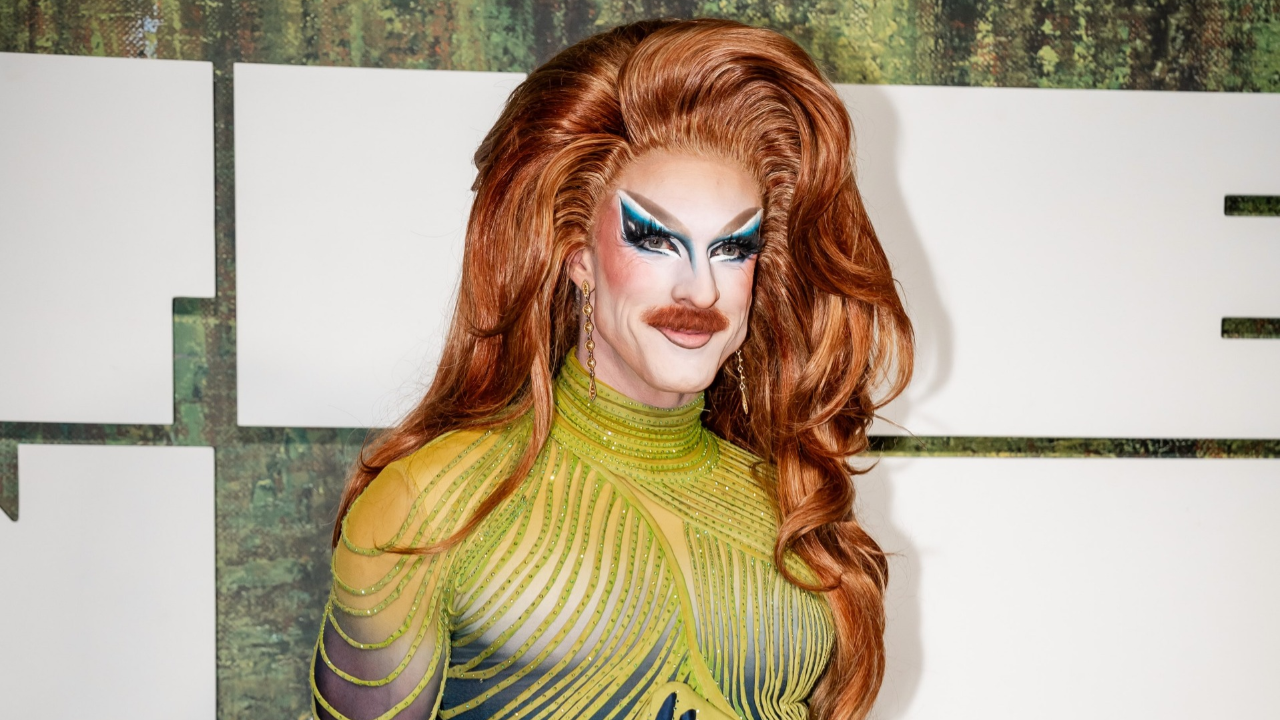
Nominal damages in trademark litigation—specifically a demand for a single dollar—are rarely acts of benevolence; they are calculated instruments of intellectual property preservation. When outdoor apparel manufacturer Patagonia initiated legal proceedings against environmental activist and drag performer Pattie Gonia (Wyn Wiley) seeking $1 in damages, public commentary defaulted to narratives of corporate overreach versus grassroots activism. Both interpretations miss the structural reality of federal trademark law under the Lanham Act. To understand this dispute, one must analyze the non-negotiable statutory mechanics that force brand owners into binary choices: enforce a mark against friendly actors or forfeit the legal right to stop hostile competitors.
The Structural Imperative of Trademark Policing
Unlike patents or copyrights, which expire after fixed statutory periods, trademarks exist in perpetuity—provided the owner maintains continuous commercial use and actively prevents consumer confusion. This creates an asymmetric operational burden known as the duty to police.
Under United States trademark law, failure to challenge unauthorized or confusingly similar uses of a mark leads to progressive erosion of its legal strength. This erosion manifests through three distinct mechanisms:
- Dilution of Distinctiveness: If third parties use phonetic equivalents or visual parodies of a famous mark without intervention, the mark loses its singular association with the primary source. Over time, courts assign narrower scopes of protection to weakened marks.
- Acquiescence and Laches Defenses: If a rights holder knows of an infringing use and delays enforcement for years, a future defendant can invoke the equitable defenses of laches (unreasonable delay) or acquiescence (implied consent). Once established, these defenses permanently bar the rights holder from obtaining injunctive relief against that specific party.
- Genericide: The terminal stage of brand erosion occurs when a trademark becomes the common descriptive noun for an entire class of goods or services, stripping the owner of all exclusive rights.
The litigation involving Patagonia and Pattie Gonia illustrates a classic collision between cultural goodwill and statutory compliance. Wiley adopted the stage name "Pattie Gonia" in 2018, pairing a phonetic play on the outdoor brand with environmental advocacy and outdoor recreation content. For years, the relationship appeared symbiotic. The brand's silence during this initial phase created a mounting legal liability. As Wiley’s commercial footprint expanded—transitioning from independent social media commentary to brand partnerships, merchandise, and ticketed events—the overlap in commercial channels crossed a critical threshold.
The Mechanics of Likelihood of Confusion
Trademark infringement does not require identical spelling or malicious intent. Courts evaluate infringement through the "likelihood of confusion" standard, formalized in federal circuits via multi-factor tests such as the Polaroid factors (Second Circuit) or the Sleekcraft factors (Ninth Circuit).
In the context of a phonetic parody operating within the exact same vertical—outdoor recreation and environmentalism—several legal triggers activate simultaneously:
- Phonetic Similarity: In trademark doctrine, marks are compared by sight, sound, and meaning. Because consumers frequently encounter brands aurally through podcasts, video content, and word-of-mouth recommendations, phonetic equivalence carries substantial weight. "Pattie Gonia" and "Patagonia" are aurally indistinguishable in casual speech.
- Proximity of Goods and Services: The risk of confusion escalates exponentially when both parties operate in the same market sector. Had Wiley operated a culinary brand or a software consultancy, the likelihood of consumer confusion regarding corporate sponsorship would remain low. By focusing on hiking, outdoor apparel, and environmental conservation, the performer entered Patagonia’s core commercial territory.
- Sponsorship and Affiliation Confusion: Modern trademark law extends beyond direct point-of-sale confusion (a consumer buying the wrong jacket). It encompasses confusion regarding sponsorship, endorsement, or affiliation. When a prominent outdoor activist uses a brand's phonetic equivalent while selling merchandise or partnering with other corporations, consumers reasonably assume an official licensing agreement or corporate backing exists.
This third factor represents the highest operational risk for an established enterprise. If an unlicensed third party uses a derivative mark and subsequently engages in conduct, partnerships, or product releases that contradict the brand's quality standards or regulatory commitments, the trademark owner absorbs reputational damage without contractual control.
The Cost Function of the One-Dollar Demand
When an enterprise identifies an infringing use by a sympathetic public figure, standard litigation tactics—such as demanding disgorgement of profits, statutory damages, or treble damages—create severe public relations liabilities. The reputational cost of bankrupting an individual activist often exceeds the financial value of the immediate infringement.
Demanding $1 in nominal damages alters the economic and public relations calculus of the dispute. This specific pleading strategy achieves four precise legal objectives while minimizing financial hostility:
- Establishing a Formal Record of Enforcement: Filing a complaint in federal court immediately stops the clock on laches defenses. It proves to future, purely commercial infringers that the rights holder actively defends its intellectual property boundaries.
- Securing Declaratory and Injunctive Relief: In intellectual property disputes, monetary damages are secondary to equitable relief. The primary goal of a nominal-damages suit is obtaining a court order or a binding settlement agreement that defines the exact boundaries of permissible use—such as prohibiting the sale of competing apparel or requiring explicit disclaimers of non-affiliation.
- Eliminating Financial Predation Narratives: By capping financial recovery at a single dollar, the plaintiff neutralizes accusations of corporate greed. The pleading signals to the court and the public that the action is strictly defensive, aimed at clarifying trademark boundaries rather than extracting wealth.
- Forcing Structured Negotiation: Cease-and-desist letters frequently stall when recipients view them as empty threats or ignore them entirely. Initiating formal litigation imposes a structured timeline under the Federal Rules of Civil Procedure, compelling the defendant to engage in binding settlement discussions or face default judgment.
The Parody Defense and Its Commercial Limits
A frequent misconception in public discourse is that parody provides absolute immunity from trademark claims under the First Amendment. In practice, the parody defense in trademark law is narrow and heavily conditioned on commercial execution.
Courts distinguish between non-commercial expression and commercial source-identification. Under the Rogers v. Grimaldi test—and its subsequent narrowing by the Supreme Court in Jack Daniel’s Properties, Inc. v. VIP Products LLC (2023)—First Amendment protections weaken substantially when an alleged parodist uses another’s trademark as a designation of source for their own goods or services.
In Jack Daniel’s, the Supreme Court ruled unanimously that when a defendant uses a mark to identify the source of their own commercial products (in that case, a dog toy mimicking a whiskey bottle), the traditional likelihood-of-confusion analysis applies directly, without heightened First Amendment thresholds.
This doctrinal shift directly impacts creators like Pattie Gonia. While using a pun as a theatrical persona in unpaid artistic performances leans toward protected expression, monetizing that persona through branded apparel, commercial sponsorships, and consumer goods crosses into source-identifying commercial use. Once a performer sells merchandise bearing a phonetic twin of an existing apparel company's trademark, the parody defense loses its structural integrity.
Brand Equity vs. Legal Precedent: The Dual-Ledger Risk
Managing an enforcement action against a culturally aligned figure requires balancing two distinct ledgers: the Legal Precedent Ledger and the Brand Equity Ledger.
On the Legal Precedent Ledger, inaction is fatal. If Patagonia allows a third party to sell outdoor-themed merchandise under a phonetically identical name, a major fast-fashion retailer or competing outdoor conglomerate could subsequently launch a sub-brand using a similar phonetic variation. When Patagonia sues that commercial competitor, the competitor’s counsel will introduce Patagonia’s inaction against Pattie Gonia as evidence that the mark is weak and that the outdoor market already tolerates phonetic coexistence.
On the Brand Equity Ledger, aggressive litigation damages consumer trust. Patagonia’s market valuation and customer retention rely heavily on its positioning as an activist enterprise committed to environmentalism and progressive social causes. Suing a prominent queer environmentalist creates acute cognitive dissonance among core consumer demographics, risking boycotts, earned-media backlash, and alienation of wholesale partners.
The tension between these two ledgers creates a strategic bottleneck. Traditional corporate legal departments optimize exclusively for the Legal Precedent Ledger, treating all unauthorized uses identically. Marketing and communications departments optimize exclusively for the Brand Equity Ledger, advocating for total inaction to avoid negative press. Both unilateral approaches fail: pure legal aggression destroys brand equity, while pure marketing deference destroys intellectual property rights.
Limitations of the Nominal Damages Strategy
While seeking nominal damages attempts to reconcile these competing ledgers, the strategy carries inherent operational limitations and is far from a universal solution:
- Asymmetric Legal Costs: Even when a plaintiff seeks only $1, federal litigation imposes massive defense costs on an individual defendant. Retaining intellectual property counsel to answer a federal complaint, navigate discovery, and negotiate a consent decree can easily cost tens of thousands of dollars. Critics rightly observe that the process itself functions as a financial punishment, regardless of the nominal damages requested.
- Loss of Narrative Control: Filing a public complaint surrenders control of the story to third-party media outlets. Headlines inevitably focus on the conflict ("Corporation Sues Activist") rather than the nuanced mechanics of trademark abandonment or nominal damages, inflicting immediate brand damage before the nuances of the pleading are understood.
- Inability to Cure Past Confusion: A settlement or injunction governs future behavior, such as restricting merchandise categories or requiring disclaimers. It cannot retroactively undo years of consumer association where audiences linked the performer with the corporate brand.
Operationalizing Coexistence Without Abandonment
When enterprises confront unauthorized, non-malicious uses of their trademarks by adjacent creators or community figures, waiting until full-scale federal litigation is required represents a failure of early-stage brand governance. Rights holders must deploy graduated enforcement mechanisms long before a creator builds an entrenched commercial enterprise around a derivative mark.
The optimal operational framework relies on Coexistence Agreements executed at the earliest sign of commercial scaling. Rather than demanding a total rebrand—which triggers public backlash and fierce legal resistance—the rights holder offers a formal license or coexistence contract that codifies exact operational guardrails:
- Category Carve-Outs: The creator retains the right to use the stage name for entertainment, speaking engagements, and digital content, while explicitly agreeing not to register the mark or use it on core competing goods (such as technical outerwear or apparel).
- Mandatory Disclaimers: The agreement mandates clear, standardized text on websites and merchandise stating that the creator is independent and not affiliated with, sponsored by, or endorsed by the corporate brand.
- Quality and Conduct Guardrails: The rights holder includes termination clauses triggered only if the creator enters into partnerships with direct corporate competitors, preventing competitors from using the creator as a Trojan horse to bypass trademark restrictions.
By converting an informal, infringing coexistence into a documented, contractually bounded relationship, the enterprise satisfies its statutory duty to police the mark. In the eyes of the law, licensed or contractually controlled use inures to the benefit of the trademark owner rather than weakening the mark. Simultaneously, the creator preserves their identity and livelihood without absorbing the catastrophic costs of federal litigation.
For brand managers and general counsel, the strategic mandate is clear: never allow years of informal tolerance to accumulate around a phonetic or visual derivative. Intervene early with structured coexistence contracts that separate artistic expression from competing commercial goods, reserving federal litigation—even for a single dollar—strictly as a measure of last resort when contractual boundaries are breached.