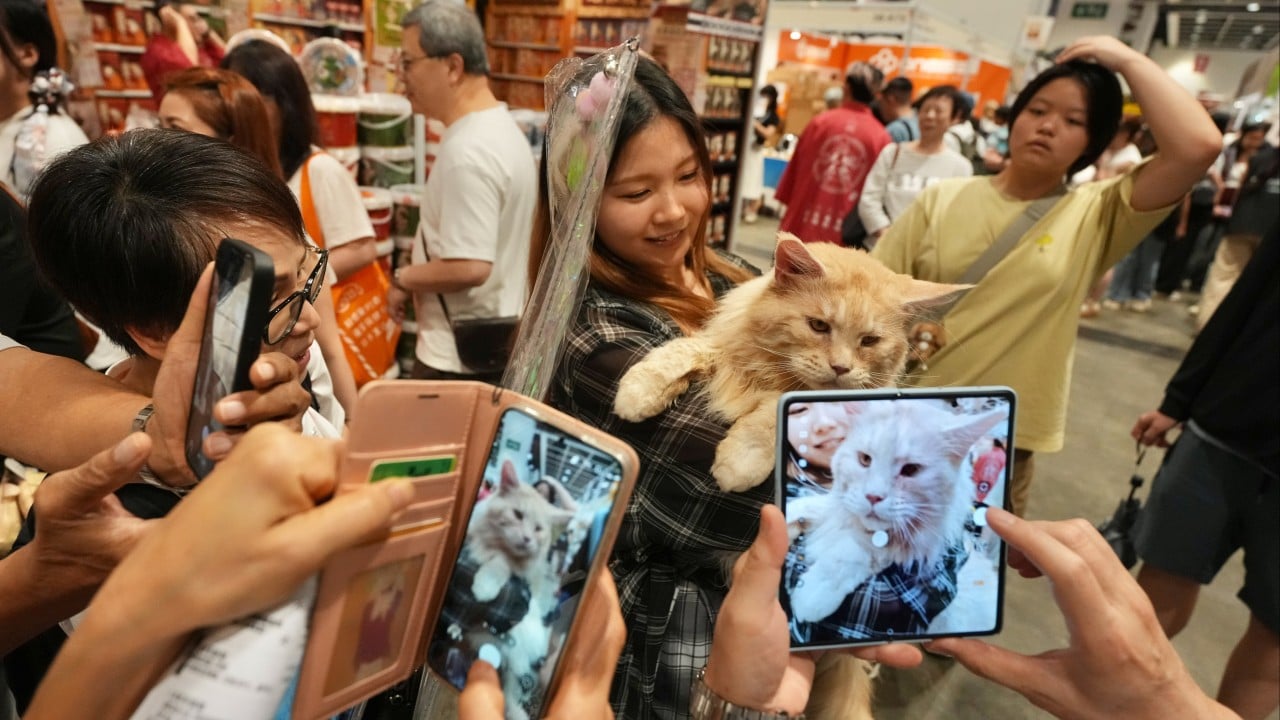
Modern urban consumer behavior reveals a profound shift in capital allocation toward companion animals, transforming traditional pet ownership into a high-investment ecosystem. The willingness of city dwellers to spend substantial monthly sums on domestic animals is frequently framed in media narratives as sentimental indulgence. This characterization fails to capture the underlying market mechanics, demographic shifts, and psychological compensation mechanisms driving the trend. Examining high-tier pet expenditure requires stripping away emotional rationalizations to analyze the structural variables governing modern household budgeting.
Urban centers feature high population densities paired with spatial constraints and delayed family formation milestones. These environmental factors alter domestic priorities. When young professionals defer traditional markers of adulthood such as purchasing real estate or having children, disposable income accumulates. Companion animals fill the resultant psychological vacuum, functioning as primary emotional anchors. Market participants do not merely purchase pet food or basic veterinary services; they invest in a curated lifestyle category that mirrors human consumer standards. Premium expenditures on pet nutrition, specialized healthcare, and lifestyle accessories represent the monetization of emotional security within high-stress metropolitan environments.
The Tripartite Expenditure Model
Capital flow within the high-tier pet economy concentrates into three distinct structural pillars: physiological maintenance, experiential enhancement, and risk mitigation.
Physiological maintenance forms the baseline. Unlike historical feeding models dominated by mass-produced commercial dry feed, contemporary urban pet owners demand functional nutrition. This includes grain-free formulations, raw-diet subscriptions, and veterinary-prescribed therapeutic diets. The cost function here is inelastic because owners perceive dietary quality as a direct determinant of animal longevity.
Experiential enhancement drives discretionary spending. This category encompasses grooming services, specialized apparel, daycare facilities, and travel accommodations designed exclusively for pets. The market has responded by creating localized supply chains that replicate human luxury sectors. Premium pet bakeries, bespoke furniture integration, and subscription boxes operate on margins historically reserved for high-end retail.
Risk mitigation constitutes the fastest-growing sector of capital allocation. Comprehensive pet insurance policies, preventative diagnostics, and 27/7 telehealth subscriptions are purchased to hedge against future financial shocks. Veterinary medicine has advanced mirror-image capabilities of human healthcare, offering oncology, specialized surgery, and advanced imaging. Owners absorb these rising costs because the perceived cost of inaction—animal suffering or premature loss—exceeds the marginal utility of saved capital.
The Supply Chain and Margin Architecture
The surge in high-end pet spending is supported by an aggressive expansion of specialized service providers. Traditional pet retail relied on volume sales of standardized commodities. The modern market relies on high-margin, low-volume specialization.
Retailers capture value by introducing tiered product differentiation. Standard goods are commoditized and subject to fierce price competition on e-commerce platforms. To counter margin compression, brands engineer proprietary product lines featuring functional benefits, such as joint-support supplements embedded in treats or organic textiles resistant to wear. This product stratification allows businesses to capture surplus value from consumers who view price as a proxy for quality.
Service providers operate on subscription models that secure predictable cash flow. Daycare centers and grooming salons utilize membership tiers, locking consumers into monthly recurring revenue frameworks. This operational shift stabilizes business income against seasonal fluctuations and increases the customer lifetime value metrics across the board.
Macroeconomic Drivers and Demographic Shifts
Macroeconomic conditions heavily influence spending velocity within the pet economy. Stagnant housing affordability in major metropolitan areas creates a barrier to traditional capital investments. When the path to property ownership is obstructed, surplus cash flows into alternative consumption categories that provide immediate psychological reward.
Demographic data indicates a strong correlation between single-person households, dual-income-no-kids households, and high monthly pet expenditure. These cohorts possess higher discretionary income ratios and greater schedule flexibility, allowing them to integrate pets deeply into their daily routines. The pet functions as an identity marker. Purchasing luxury goods for an animal signals taste, social status, and financial capability within peer networks, reinforcing the behavior through social validation.
Strategic Outlook and Market Vulnerabilities
Despite robust growth, the high-tier pet care ecosystem faces distinct structural vulnerabilities. Consumer spending in this category remains exposed to macroeconomic contractions. While baseline physiological maintenance is sticky, experiential enhancements and non-essential services represent discretionary allocations that contract sharply during economic downturns.
Regulatory scrutiny represents an additional vector of risk. As the market expands, oversight regarding therapeutic claims on specialized pet foods, insurance payout transparency, and veterinary pricing structures will likely intensify. Businesses operating in this space must anticipate margin compression as regulatory compliance costs rise and consumer skepticism increases regarding pseudo-scientific marketing claims.
Operators entering or scaling within this sector must abandon generalized luxury branding in favor of functional differentiation. Capital should target preventative health infrastructure, transparent service models, and software-driven logistics that streamline the friction between high-end pet owners and specialized care providers. Future profitability belongs to enterprises that systematically reduce operational waste while maintaining the psychological reassurance demanded by urban consumers.