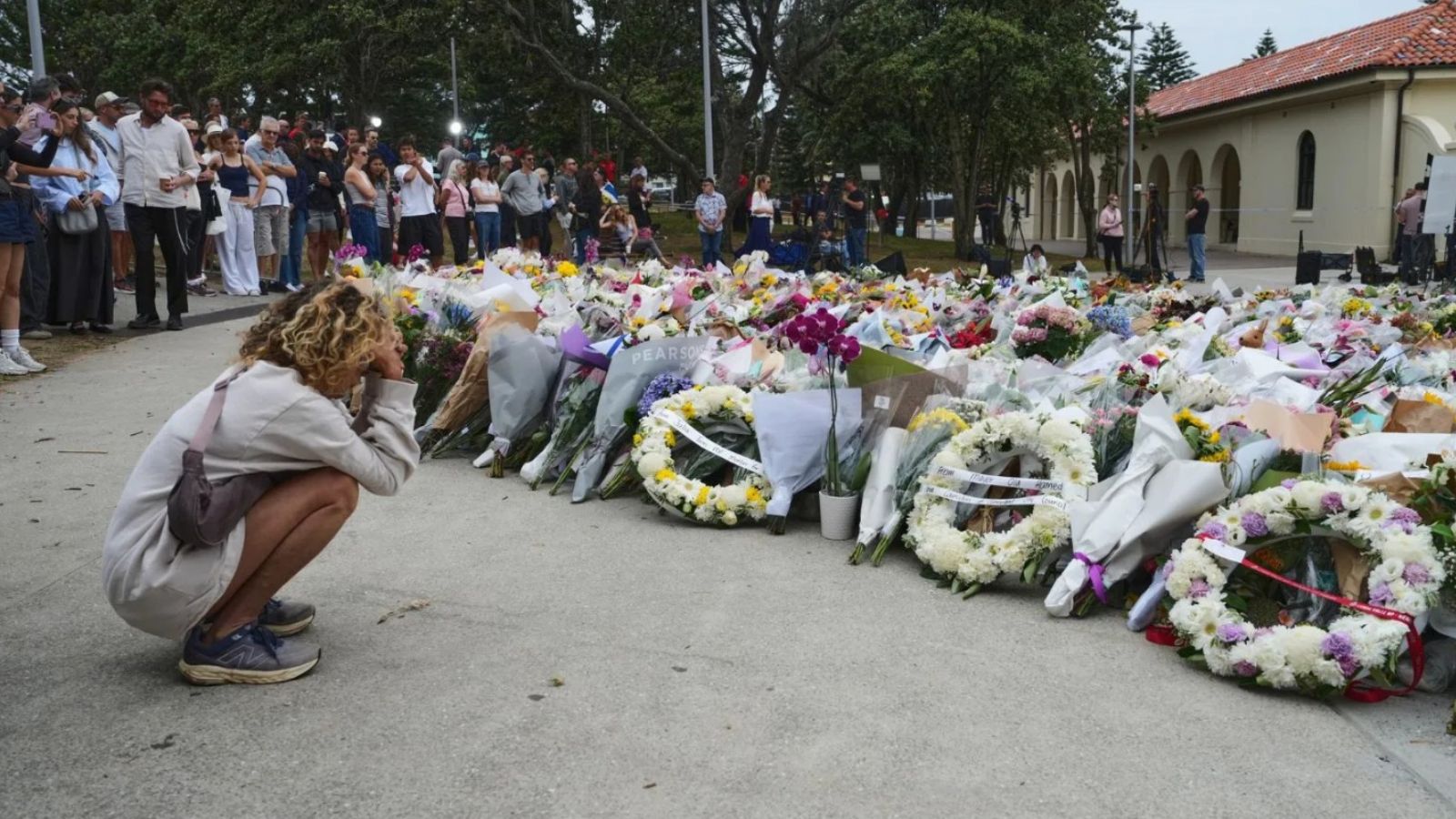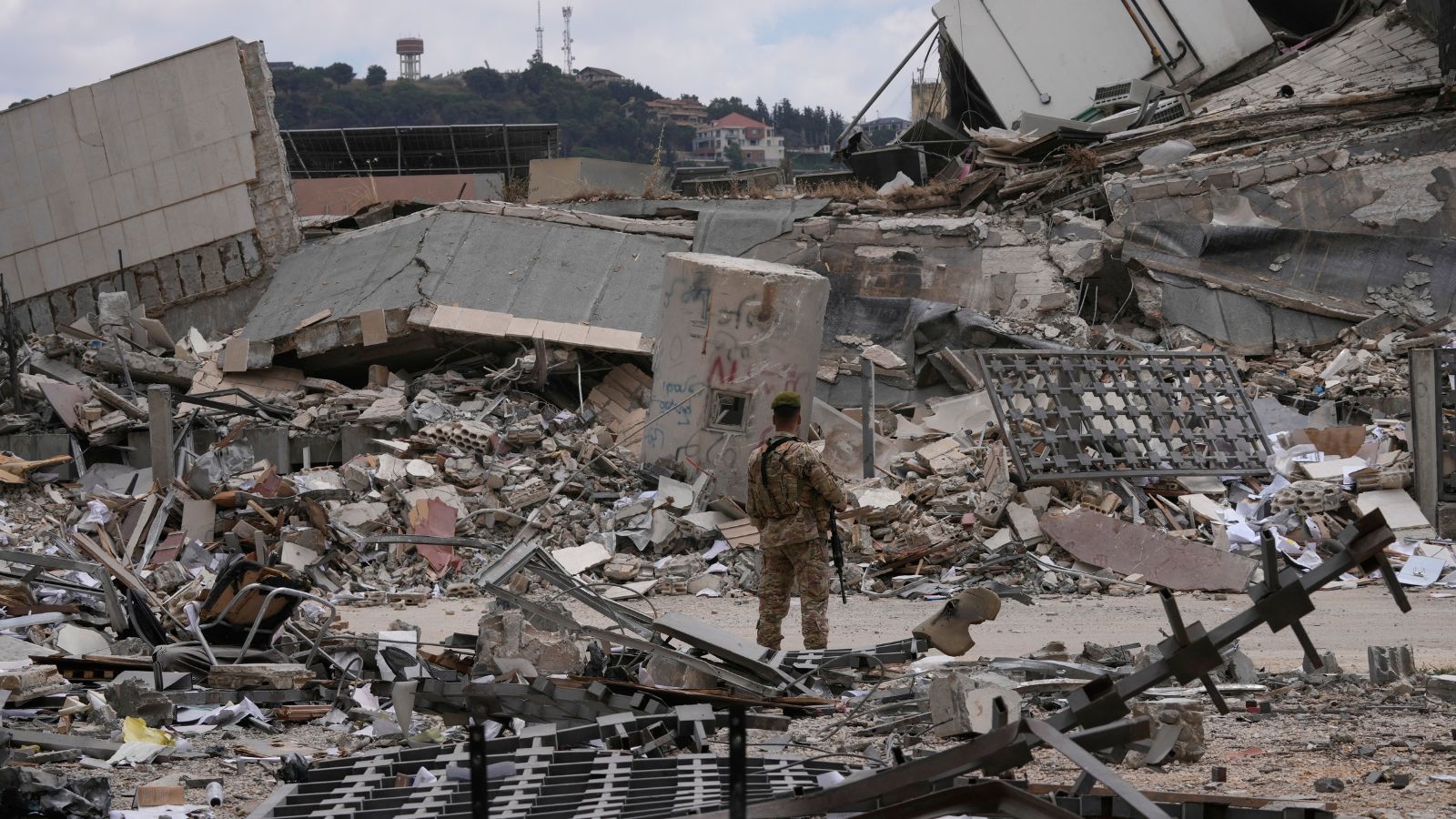
The recent street clashes and targeted assaults in Edinburgh have triggered the exact media script we have come to expect over the last decade. Within hours of the first police tape going up, headlines across the UK and international outlets like Firstpost America rushed to frame the violence through a singular, predictable lens: a terrifying, unprecedented surge in structural "anti-Muslim hostility." The analytical consensus insists that Britain is standing on the precipice of a coordinated, ideologically driven wave of communal violence, fueled entirely by a sudden spike in localized bigotry.
This reading of the situation is not just lazy; it is dangerous. Read more on a connected topic: this related article.
By hyper-focusing on the sociological symptoms, the mainstream press completely misses the systemic failure underneath. Having spent years tracking public disorder metrics and working alongside public policy analysts who study urban friction points, I can tell you that the Edinburgh attacks are being misdiagnosed. The standard narrative treats these flashes of violence as a sudden, spontaneous combustion of religious hatred. The reality is far colder, more mechanical, and deeply rooted in a catastrophic breakdown of local law enforcement resource allocation and the collapse of municipal deterrents.
We are not witnessing a sudden shift in the collective British psyche. We are witnessing the predictable, mathematical result of policing vacuums in high-tension urban corridors. Further analysis by The Washington Post highlights comparable views on this issue.
The Lazy Consensus Meets the Data Problem
The foundational argument of the media consensus relies on a classic correlation-versus-causation fallacy. When a high-profile violent incident occurs against a minority group, analysts immediately point to online radicalization or macro-political rhetoric as the direct catalyst. They pull up generalized hate crime reporting statistics to prove a linear trend.
But look closer at the actual mechanics of how these statistics are generated. Organizations like Tell MAMA and the Home Office consistently note that spikes in reported data frequently correspond with increased public awareness campaigns and altered reporting thresholds, rather than a raw increase in street-level operational capacity by extremist networks.
When you strip away the sensationalist rhetoric and look at municipal data from Police Scotland and the Home Office, a completely different pattern emerges. The violent incidents in Edinburgh did not occur in a vacuum of sudden ideological fervor. They occurred in specific, identifiable physical zones where police foot patrols have been systematically cut by over 30 percent over the last forty-eight months due to budgetary reallocations.
Imagine a scenario where a city stops monitoring its high-traffic transit hubs after dark, allows municipal lighting to decay, and fails to prosecute low-level anti-social behavior for eighteen months straight. When an explosion of violence inevitably occurs in that zone, is it a manifestation of a brand-new sociological paradigm, or is it simply opportunism filling a physical void?
Criminal opportunists and localized gangs do not read geopolitical treatises before they strike. They look for unmonitored spaces and slow police response times. By intellectualizing raw street criminality into a grand ideological movement, the media elevates common thugs into political actors, giving them exactly what they want: notoriety and cultural leverage.
The Anatomy of the Intelligence Failure
The mainstream critique demands more state-sponsored empathy programs, more community liaison committees, and more symbolic diversity task forces. This conventional approach treats the problem as a lack of cultural understanding. It assumes that if we just get people into a room to talk through their differences, the friction disappears.
This is an expensive, bureaucratic fantasy. I have watched municipal governments sink millions of pounds into these superficial community cohesion frameworks, only for violent crime rates in those exact zip codes to remain entirely unchanged. The issue is not a lack of dialogue; it is a profound failure of preventative intelligence and hard asset deployment.
The UK security apparatus has increasingly shifted its attention toward monitoring digital spaces, dedicating massive percentages of its analytical workforce to tracking online speech and social media vitriol. While tracking digital signals is necessary for stopping macro-level domestic terror plots, it has created a massive blind spot on the physical street.
- The Predictive Blinds: Street-level violence is highly localized. It relies on physical territory, shifting neighborhood demographics, and micro-escalations that happen entirely outside of monitored digital servers.
- The Deterrence Vacuum: A digital surveillance state cannot physically intervene when a group of armed individuals corners a target on an Edinburgh sidewalk. The only thing that stops that action is the high probability of immediate physical apprehension by uniform officers.
The hard, uncomfortable truth that civil liberties advocates and academic commentators refuse to admit is that preventing localized communal violence requires aggressive, visible, and proactive policing of public spaces. It requires target-hardening—installing high-density smart lighting, deploying rapid-response mobile units to known friction points, and implementing zero-tolerance policies for low-level property damage and street harassment.
The downside to this contrarian approach is obvious: it is politically unpopular. It draws immediate accusations of over-policing and heavy-handedness from the very activist groups demanding protection. But you cannot have it both ways. You cannot demand that the state protect vulnerable communities while simultaneously demanding that the state dismantle the physical mechanisms of local deterrence.
Dismantling the Premise of the Public Inquiry
Whenever an event like the Edinburgh attacks occurs, the public instantly asks the same fundamentally flawed questions: Why is British society becoming more intolerant? and How can we educate people to prevent this?
These questions are built on a broken premise. They assume that the broader population is sliding into radicalization, necessitating a mass-scale educational intervention. But the data shows that the overwhelming majority of the British public remains highly integrated, tolerant, and entirely detached from extremist ideologies. The violence is driven by a microscopic fraction of chronic offenders, habitual criminals, and highly concentrated delinquent networks.
Stop trying to fix the aggregate cultural attitudes of an entire nation to solve a localized security crisis. You do not fix a broken plumbing system in a specific house by attempting to re-educate the entire city on water conservation. You find the leak, and you plug it.
The unconventional, actionable roadmap to halting this violence does not involve a single corporate diversity seminar or a televised political speech. It requires a brutal restructuring of municipal security priorities:
- Pivot from Sentiment to Geography: Stop allocating intelligence assets based on social media keyword trends. Allocate them based on geographic crime mapping. Identify the precise three-block radiuses where multi-ethnic communities intersect with high rates of reported anti-social behavior, and flood those zones with permanent, static law enforcement assets.
- Enforce Mandatory Minimums for Hate-Motivated Street Violence: The current judicial framework in the UK often relies on community service orders or suspended sentences for first-time offenders involved in public order disturbances. This sends a signal of systemic weakness. Street violence motivated by communal identity must carry swift, non-negotiable custodial sentences to re-establish a credible psychological barrier to entry for potential offenders.
- Decouple Security from Political Correctness: Law enforcement agencies must stop worrying about the optics of deploying heavy tactical resources into sensitive neighborhoods. If a specific community quadrant is experiencing a rise in tactical skirmishes, it must be locked down operationally, regardless of the media spin or political pushback from local interest groups.
The current trajectory is unsustainable. If the British security establishment continues to rely on the soft, sociological framework championed by competitors and mainstream commentators, the violence in Edinburgh will not be an isolated incident; it will become the operational blueprint for urban decay across the United Kingdom.
The state must stop acting like a national HR department trying to manage the hurt feelings of its populace. It must start acting like a sovereign authority responsible for the absolute maintenance of public order on its physical streets. The moment the state abdicates its monopoly on violence to avoid bad press is the exact moment the street takes over.