The rain in Kyiv does not fall with theatrical drama. It arrives as a gray, persistent weight, soaking through wool coats and turning the crushed gravel of the courtyards into mud. Inside a command post near the government quarter, the air smells of wet boots, cold metal, and the distinct, bitter tang of instant coffee kept warm too long in a dented thermos.
A staff sergeant traces a grease pencil across a plastic-coated map. His hands are steady, though dark circles bruise the skin beneath his eyes. Outside, sirens wail—not the frantic shrieks of the early months, but a low, bureaucratic drone that citizens now measure time against, like the striking of an indifferent clock.
This is what endurance looks like from the inside.
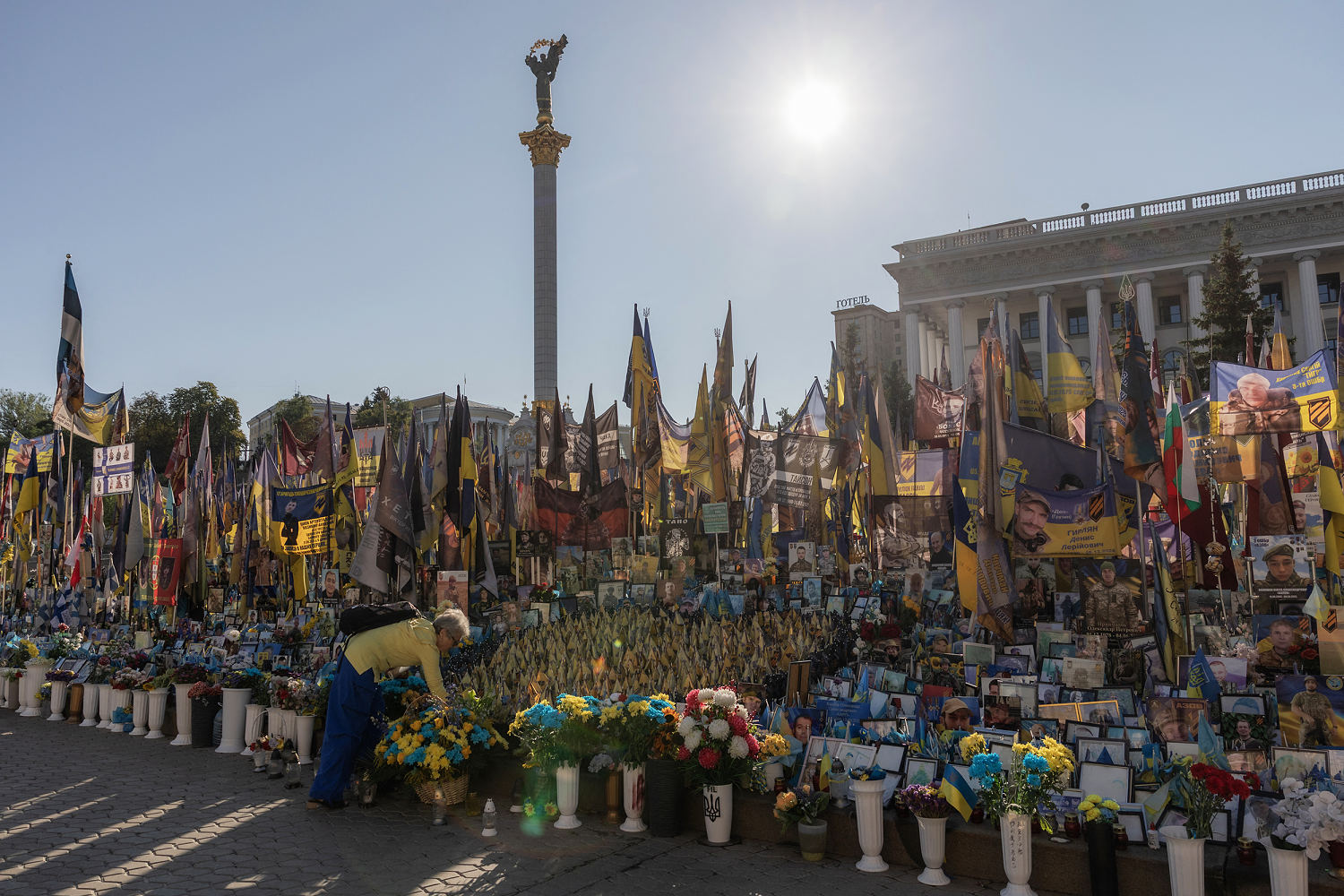
To understand the weight of an anniversary in wartime, you have to strip away the marble and the polished microphones of foreign summits. You have to look at the frayed cuffs of uniforms worn for four straight years. You have to measure the distance between a capital city under siege and the distant capitals where speeches are drafted and redrafted by aides worried about domestic polling numbers.
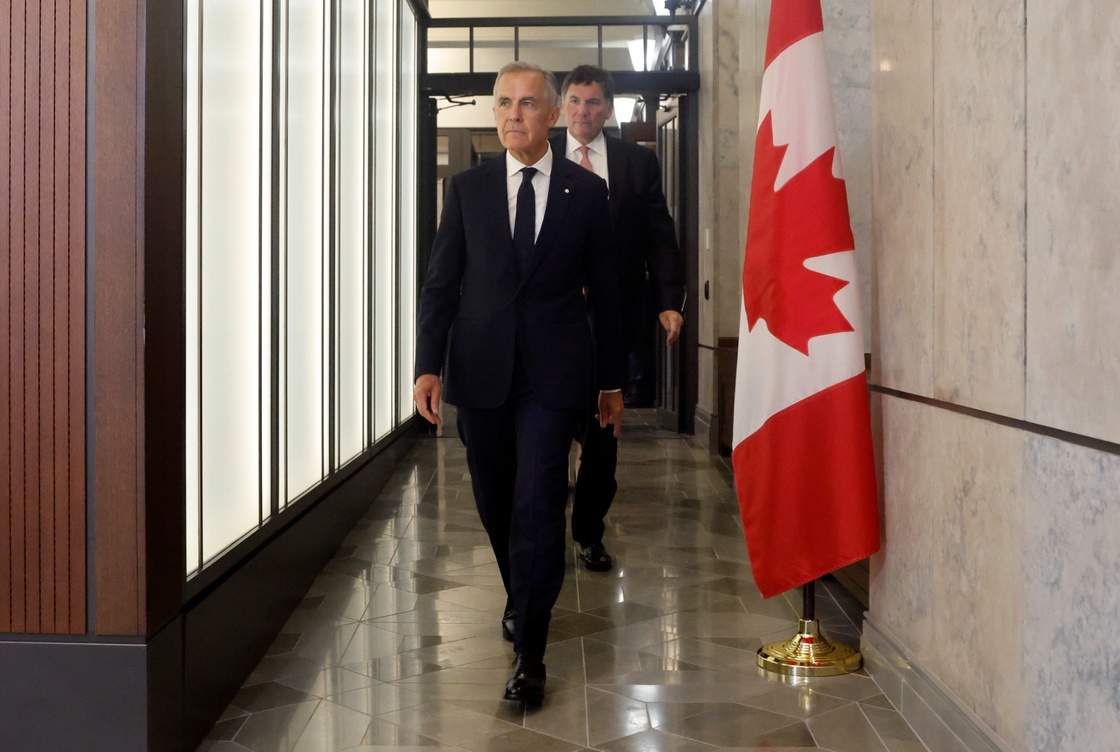
When allies gather this week to mark another grim milestone of survival, the speeches will swell with phrases about ironclad resolve and shared democratic values. Cameras will capture handshakes. Flags will snap crisply in the wind.
Yet, beneath the polished surface of diplomatic unity, an absence speaks louder than any communique. One key backer is missing. Not entirely gone—the money still trickles through bureaucratic channels, and the spare parts arrive in unmarked crates under cover of night—but absent from the room where strategic futures are truly forged.
An empty chair.
Consider what happens next when the primary architect of a coalition begins to look inward. In Washington, the political weather shifts with the sudden violence of a summer squall. A new administration or a fractured legislative body inherits the ledger of previous commitments, and suddenly, every pallet of artillery shells becomes a line item to be debated, amended, and delayed.
To a soldier in a damp trench near Kupiansk, the political paralysis in foreign parliaments does not sound like parliamentary procedure. It sounds like silence. It sounds like the empty space where incoming counter-battery fire should have been.
History teaches a harsh lesson about coalitions. They are fragile things, held together less by altruism than by the shared terror of a common adversary. When the immediate panic fades into a grinding war of attrition, self-interest reasserts itself. Domestic inflation bites. Housing prices soar. Voters grow weary of a distant conflict that dominates the evening news with monochrome tragedy.
Politicians respond to gravity. They drift toward the voters who can unseat them.
And so, the backer pulls back. Just an inch at first. A delayed shipment here. A quiet restriction on weapon ranges there. The justifications are delivered in the smooth, reassuring tones of diplomats who have never smelled cordite. They speak of escalation management, of prudent caution, of the need to avoid widening a circle of fire.
To those living inside the circle, the caution looks like betrayal.
Walk through a hospital ward in Lviv, and you will meet a nineteen-year-old infantryman missing both legs below the knee. His name is Dmytro, and before the invasion, he repaired washing machines. He does not talk about geopolitics or the rules-based international order. He looks down at the white cotton sheet draped over the emptiness where his limbs used to be, and he asks a simple, devastating question.
Where are the rest of them?
He does not mean the medics or the volunteers who bring him soup. He means the architects of the grand promises made in the spring of twenty-two. The leaders who swore they would stand shoulder-to-shoulder for as long as it takes.
As long as it takes is a flexible phrase in politics. In human terms, it has a hard expiration date marked by exhaustion and blood.
The danger of a missing backer is not merely material. It is psychological. Autocrats watch democracies with a cold, analytical eye. They know that free societies possess immense wealth, advanced technology, and industrial capacity that dwarfs their own. But they also know that democracies have short attention spans. They bet on fatigue. They wait for the allies to quarrel among themselves, for the headlines to shift to a new crisis, for the grand coalition to dissolve into a collection of bickering nation-states looking out only for number one.
When the key backer falters, the psychological architecture of resistance wobbles. It forces a besieged nation to contemplate the unthinkable: fighting a nuclear-armed aggressor entirely alone.
Yet, to stand in the streets of Kharkiv today is to witness a stubborn, furious defiance that defies rational calculation. Cafes reopen behind sandbags. Bakeries bake bread through rolling blackouts. A violinist plays Bach on a street corner where a missile crater was asphalted over just a week prior.
This is not Hollywood bravery. It is the grim, unglamorous refusal to surrender one's home to a conqueror who views your very existence as an administrative error.
The anniversary gatherings will pass. The leaders will issue their statements, praising the resilience of a people they have chosen to support by halves. They will pose for photographs that will find their way into history textbooks, capturing a moment of profound hypocrisy—standing tall for the cameras while quietly calculating the political exit strategy.
Back in the command post, the staff sergeant rolls up his map. The shift is over, but he is not going anywhere. There is no relief coming from the horizon. He looks out the frost-streaked window at the gray Kyiv morning, lights a cigarette, and waits for the next report to come across the wire.
The rain keeps falling. The chair remains empty. And the war goes on.