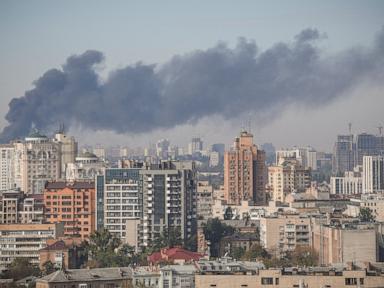
When a single morning wave of missile and drone bombardments leaves dozens of civilians dead in routine public spaces, the numbers stop being abstract statistics. Recent reports from Ukrainian regional officials confirmed that at least 35 people lost their lives in devastating attacks targeting population centers. Strikes tearing through transport hubs, residential blocks, and daily commerce areas show a grim escalation that goes far beyond tactical front-line friction.
If you look at the wider operational picture, this brutality isn't accidental. It's a calculated pressure campaign designed to break civilian morale as infrastructure buckles under continuous bombardment.
The Reality on the Ground
We see a recurring pattern in these high-casualty events. Missiles don't hit empty fields or hidden command posts; they hit passenger transit stops, shopping districts, and crowded streets where people go about ordinary routines. When local councils report heavy casualties from direct hits on public transport, it highlights a stark reality. Front lines aren't just trenches hundreds of miles away. They run directly through residential neighborhoods, apartment blocks, and local markets.
International monitors tracking civilian casualties note that monthly death tolls frequently spike when air campaigns shift heavily toward urban centers. The sheer volume of incoming drones and ballistic missiles strains air defense networks to their absolute limit. Intercept rates might stay high on paper, but falling debris and saturation strikes guarantee that lethal payloads still reach populated ground.
Why Energy and Infrastructure Attacks Matter
Air strikes rarely target just one sector. When military planners coordinate large-scale sweeps, they pair civilian-area strikes with heavy bombardments of electrical grids, heating plants, and water networks.
- Grid Saturation: Repeated strikes force emergency shutdowns and rolling blackouts across multiple regions.
- Logistical Strain: First responders face impossible choices when a second wave strikes a location minutes after the first.
- Psychological Toll: Continuous sirens and disrupted utilities turn every upcoming seasonal shift into a survival test.
This strategy aims at exhaustion. By hitting heat and power grids right as cold weather sets in, the objective shifts from tactical military advantage to large-scale humanitarian coercion.
The Human Cost Behind the Headlines
Numbers like thirty-five dead or dozens injured roll across news tickers every day, but they mask the individual trauma unfolding in local hospitals. Emergency wards in cities like Zaporizhzhia and Dnipro fill up within minutes of a strike. Surgeons operate through rolling power cuts while local volunteers scramble to secure blood donations and emergency supplies.
International pressure and diplomatic talks in places like Abu Dhabi or Geneva keep moving behind closed doors, but on the streets, survival depends on local resilience and functional early-warning systems. Ignoring the pattern of these strikes or reducing them to background noise means missing the fundamental shift in how this conflict targets ordinary life.
Stay aware of local alerts, support verified humanitarian groups working on the ground, and don't let the sheer frequency of these tragedies desensitize you to the human reality behind the updates.
At least 35 killed in Russian attacks on Ukraine
This short video clip covers the immediate reporting on the multi-region strikes that left dozens dead and injured across Ukraine.


