When Washington officials started floating ideas about acquiring Greenland, most foreign policy experts assumed it was just routine political noise. They were wrong. Following military maneuvers in South America, the White House turned its sights northward, reviving talk of annexing the world's largest island.
European capitals didn't wait around to see if it was a bluff. Leaders from London to Berlin dropped their usual diplomatic hesitations and drew a hard line in the snow. In other news, we also covered: Why Hyderabad Students Are Finally Looking Beyond the US for College.
Why Greenland Matters Right Now
You might wonder why a frozen, sparsely populated Arctic territory suddenly commands the attention of global superpowers. The answer comes down to geography and resources. As polar ice recedes, new shipping lanes open up, and vast reserves of untapped minerals and rare earth elements become accessible.
Washington argues that control over Greenland is necessary to keep pace with Russian and Chinese ambitions in the Arctic. White House aides have publicly questioned Copenhagen's legal claim over the territory, pointing out its history as a former Danish colony. Reuters has also covered this important issue in great detail.
Yet, treating a self-governing territory like real estate up for grabs ignores modern international law. Sovereignty isn't something you can buy on a whim, even if you wield the world's most powerful military.
The European Pushback
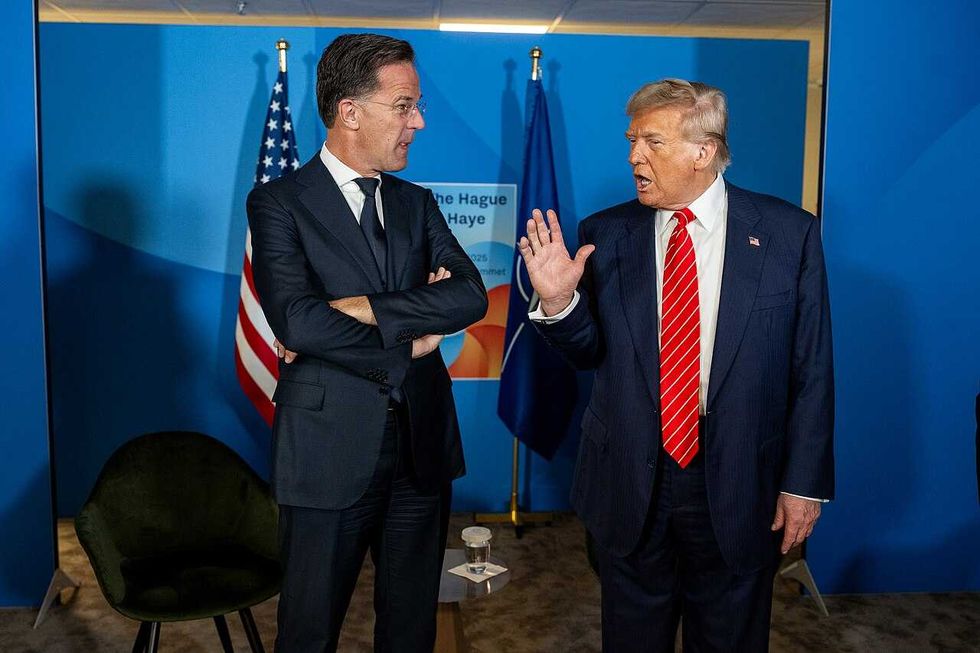
The response from Europe was surprisingly swift and unified. Danish Prime Minister Mette Frederiksen made it clear that any hostile move against Greenland by the United States would shatter the NATO alliance completely.
Think about that for a second. For over eighty years, the transatlantic security architecture has kept Western democracies aligned. Threatening an ally over territory risks tearing down the very foundation of post-war global order.
In response to remarks from U.S. officials suggesting nobody would fight back militarily, heavyweights like French President Emmanuel Macron, German Chancellor Friedrich Merz, and British Prime Minister Keir Starmer signed a joint declaration alongside Nordic and southern European leaders.
Their message was blunt: Greenland belongs to its people.
Only Denmark and Greenland have the authority to make decisions regarding their land. No amount of economic pressure or tariff threats will change that reality.
Local Realities on the Ground
While foreign ministries argue over geopolitics, the people actually living in Greenland are caught in the middle. Greenlandic leaders have been forced to balance local demands for complete independence with the unsettling reality of being treated as a geopolitical chess piece.
Local officials have made it clear that while they want healthy trade and diplomatic cooperation with Washington, annexation talk is entirely unacceptable. The local government even formed a united front coalition to ensure domestic politics wouldn't fracture under external pressure.
Diplomacy remains the only viable path forward. If the United States wants access or security partnerships in the Arctic, working through existing NATO channels and respecting local autonomy is the only option that won't burn bridges permanently.
Keep an eye on upcoming Arctic Council summits and bilateral talks between Copenhagen and Washington. Those negotiations will show whether cool heads can prevail or if transatlantic friction is here to stay.
Europe's reaction muted as Trump repeats threats of Greenland annexation
This video provides additional context on how European media and officials initially assessed the escalating rhetoric surrounding Greenland's geopolitical status.