Markets don't like surprises, and they definitely don't like expensive energy. This morning, European indices are flashing red as the reality of $100 oil sinks in. While you might see some headlines blaming "market jitters," the truth is more mechanical. When energy costs spike, the math for European corporations fundamentally changes, and not for the better.
The energy tax on European growth
It's basically an unannounced tax. Most European economies are net energy importers, which means every dollar added to the price of a barrel of Brent crude is money sucked out of the regional economy. This morning, Brent crude crossed the $100 threshold again. That's a psychological barrier for traders, but a very real financial barrier for manufacturers in Germany and France. For an alternative perspective, consider: this related article.
We're seeing the DAX and CAC 40 open lower because investors are pricing in squeezed margins. If you're running a chemicals plant in Ludwigshafen or an airline in Paris, your largest input cost just jumped. You can't pass those costs to consumers instantly, so your profits take the hit.
- Manufacturing slump: Germany just halved its growth forecast to 0.5% for 2026.
- Inflation pressure: The UK's annual inflation rate hit 3.3% in March, largely driven by the pump.
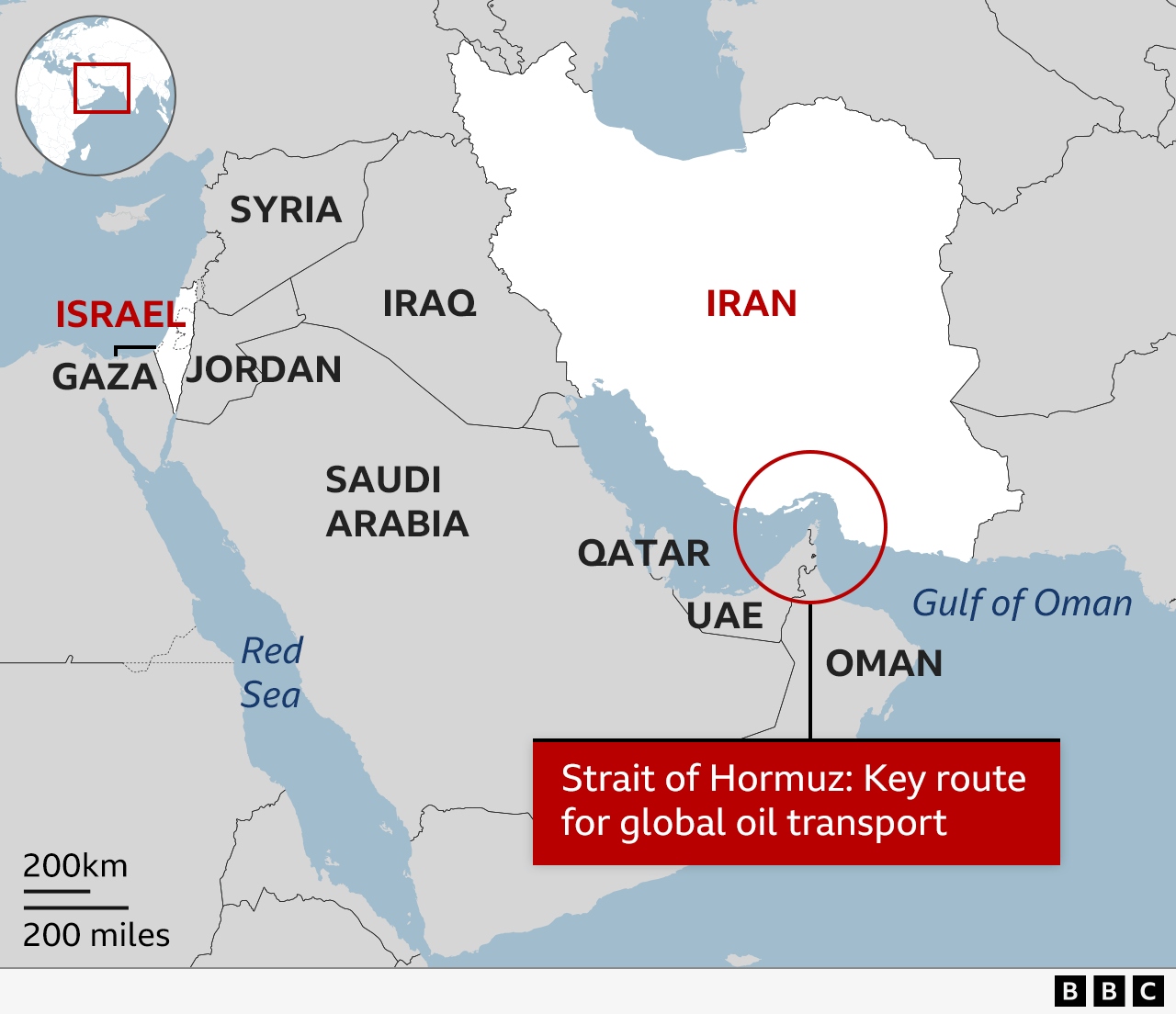
- Strait of Hormuz: Shipping through this vital artery remains a mess, keeping the "war premium" alive and well.
Why the ECB is stuck between a rock and a hard place
You'd think a cooling economy would mean lower interest rates. Usually, that's how it works. But the European Central Bank (ECB) is staring at a nightmare scenario. Rising oil prices don't just slow down growth; they also push up inflation. This is the "stagflation" word that makes central bankers lose sleep. Related insight regarding this has been shared by The Motley Fool.
If Christine Lagarde and the Governing Council cut rates to help the struggling German economy, they risk letting inflation spiral out of control because of those high energy costs. If they keep rates high at the current 2.00% deposit facility level, they might crush whatever growth is left. Honestly, it's a lose-lose situation right now. Markets are opening in the negative because they're betting the ECB won't be able to save them with a rate cut anytime soon.
The sectoral winners and losers
Not everyone is crying into their morning espresso. While the broader STOXX 600 is down, there's a clear divide in who's getting hit:
- Transport and Logistics: Airlines like Lufthansa and IAG are the first to feel the burn. Jet fuel isn't getting cheaper, and consumer discretionary spending tends to dry up when it costs €100 to fill a hatchback.
- Heavy Industry: Steel and glass producers are seeing their power bills skyrocket again.
- Energy Giants: On the flip side, companies like Shell and TotalEnergies often see their stock prices decouple from the broader market during these spikes. They're the ones selling the $100 oil, after all.
The disconnect between the physical oil market and the futures market is getting weird. Physical crude is trading at a massive premium because refiners are scrambling for actual barrels, not just paper contracts. That kind of volatility makes institutional investors pull back and wait for the dust to settle.
Stop waiting for a quick fix
If you're waiting for oil to drop back to $70 next week, don't hold your breath. The situation in the Middle East isn't showing signs of a clean resolution. Even if a ceasefire holds, the logistical backlog in the Strait of Hormuz will take months to clear.
The move right now isn't to panic-sell, but to look at where the "energy-sensitive" weight is in your portfolio. Markets are likely to stay in this negative-bias holding pattern until we see a meaningful drop in energy prices or a surprisingly dovish turn from the ECB.
Check your exposure to European industrials. If they don't have a way to hedge their energy costs, they're sitting ducks in this environment. Keep an eye on the €1.17 level for the Euro/Dollar parity; a weaker Euro only makes those dollar-denominated oil barrels even more expensive for European firms.