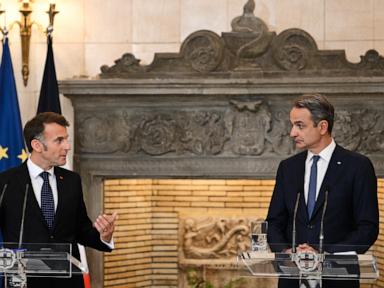
Emmanuel Macron and Kyriakos Mitsotakis aren't trying to build a European army to replace NATO, and it's time to stop pretending they are. For years, the mere mention of "strategic autonomy" sent shivers down the spines of Atlanticists in Washington. They saw it as a French-led plot to break up the most successful military alliance in history. But as the leaders of France and Greece stood together in Athens this weekend, the message was remarkably different. It wasn't a breakup; it was a long-overdue home renovation.
The reality is that Europe is spending more on guns, ships, and missiles than at any point since the Cold War. In March 2026, NATO Secretary General Mark Rutte confirmed that every single European ally has finally hit or exceeded the 2% GDP spending target. Some are even pushing toward 5%. If you think this "defense splurge" is a threat to the alliance, you're missing the forest for the trees.
The Myth of the NATO Alternative
Macron has often been the lightning rod for this debate. Critics love to bring up his 2019 "brain dead" comment about NATO, but his tone in 2026 is grounded in a much harsher reality. While signing the "Greece-France-Alliance 2.0" deal, he made it clear: the EU’s defense push is a response to American demands, not a rejection of them.
Washington has been yelling at Europe to pay its own way for decades. Now that Europe is actually doing it, some in the U.S. are getting nervous about losing influence. You can't have it both ways. You can't demand a stronger partner and then complain when that partner starts buying their own gear.
The French President even went as far as to argue that Article 42(7) of the EU treaty—the mutual defense clause—is "stronger in substance" than NATO's Article 5. That's a bold claim, but it's not a call for an exit. It's a statement of fact about the legal obligations within the European family.
Why the Greece France Alliance 2.0 Matters
The bilateral deal signed in Athens isn't just a paper agreement. It’s a blueprint for what modern European defense looks like. Greece and France aren't just trading Rafale jets and frigates anymore; they're integrating their industrial bases.
- Joint R&D: They're co-developing advanced anti-missile systems and electronic warfare tech.
- Cyber Defense: A new intergovernmental organization for digital ocean systems and IT services is on the way.
- Nuclear Tech: They've even signed a declaration for cooperation in nuclear technology.
This isn't just "buying stuff." It's building a systemic partnership that reduces reliance on non-European supply chains. If a crisis hits the Eastern Mediterranean, Greece doesn't want to wait for a vote in D.C. to know if they can maintain their MICA missiles. They want the tech and the support closer to home.
The Trump Shadow and Strategic Reality
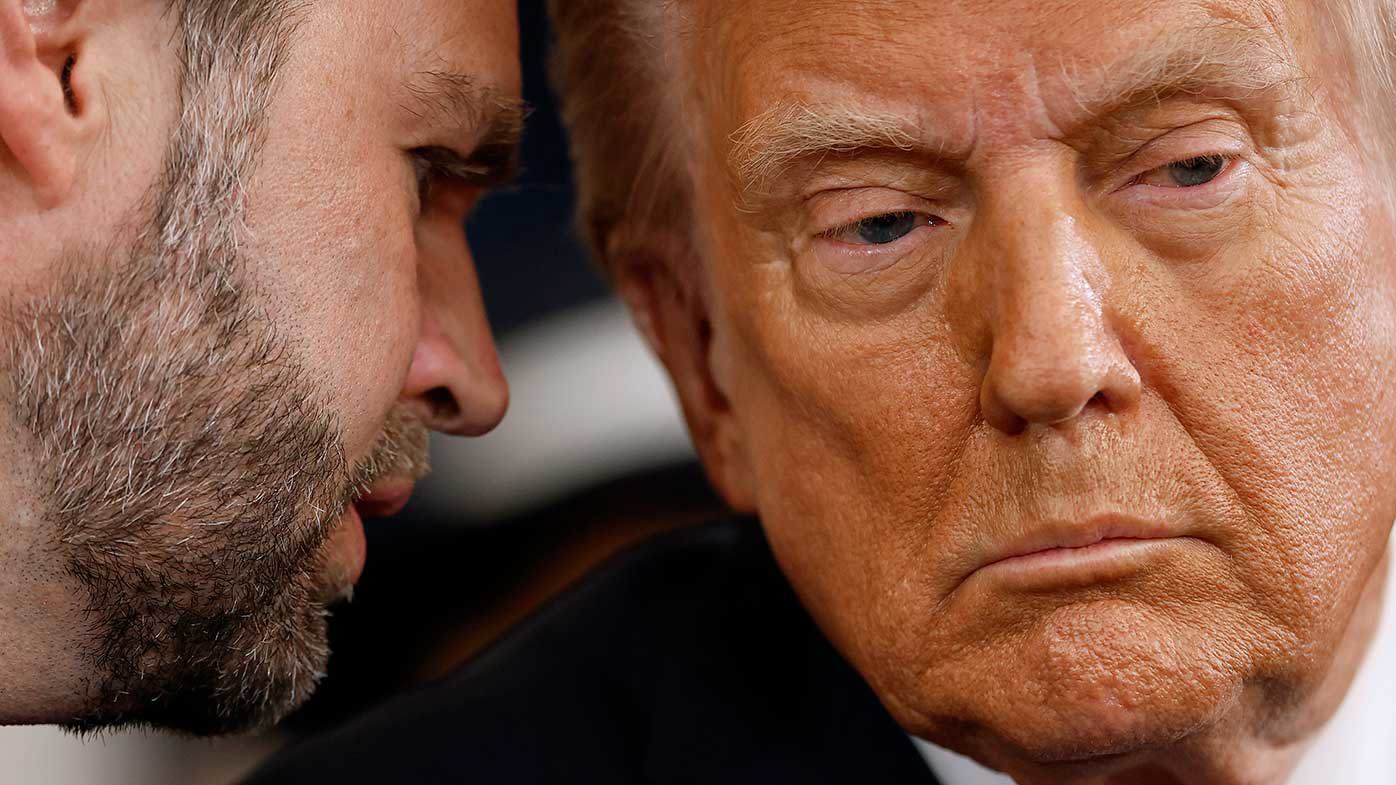
Let's be honest about why this is happening now. The 2026 National Defense Strategy from the U.S. has already promised "more limited" support for Europe. Washington is busy looking at the Pacific, and the internal political volatility in the States has made Europeans realize that "ironclad" guarantees can change with an election cycle.
By building up their own capabilities, France and Greece are effectively future-proofing the continent. If the U.S. decides to pull back 40% or 50% of its forces—as some reports suggest—Europe needs to be able to hold the line. Strengthening the "European pillar" of NATO makes the whole structure more stable. It’s a hedge against uncertainty, not a declaration of independence.
Stop Worrying About Duplication
The biggest complaint from NATO traditionalists is "duplication." They worry that if the EU builds its own command structures or buys its own tanks, it’s a waste of money that should go to NATO.
That argument is outdated. A tank owned by Poland or a frigate owned by Greece is a capability available to NATO regardless of whether it was funded through a national budget or an EU defense loan. The "Re-Arm Europe" plan 2030 is aiming to unlock 800 billion euros in defense spending. That’s a massive win for collective security, no matter which logo is on the stationery.
Real Talk on Article 5 vs. Article 42(7)
People often get hung up on the legalities. NATO’s Article 5 is the gold standard, but it technically only requires members to take "such action as it deems necessary." Macron’s point is that the EU’s mutual assistance clause is more legally binding for its members.
In practice, they work together. If a NATO member is attacked, the EU response and the NATO response aren't competing—they're overlapping. The "defense splurge" provides the physical tools—the jets, the drones, the ammo—to make those legal promises mean something.
What This Means for You
If you're following global security, don't buy into the "Europe vs. NATO" headline. It’s a false choice. The real story is that Europe is finally growing up and realizing that sovereignty requires a checkbook.
- Watch the Industrial Shift: Keep an eye on companies like MBDA and Naval Group. The shift from "buying American" to "co-producing European" is where the real power is moving.
- Mediterranean Stability: The France-Greece alliance is a stabilizer in a volatile region. It balances power against regional actors without needing a constant U.S. carrier strike group presence.
- Budget Realities: Expect your own national debates on defense spending to get louder. The 2% floor is now the basement, not the ceiling.
Europe isn't walking away from the Atlantic alliance. It's just tired of being the junior partner that can't fix its own roof. By the time 2030 rolls around, a more autonomous Europe won't be a threat to NATO—it'll be the only thing keeping it relevant.
The next step for European capitals isn't more speeches about autonomy. It's the hard work of making their hardware talk to each other and ensuring their factories can keep up with the demand of a continent that’s finally taking its own safety seriously. Start looking at regional defense pacts as the new building blocks of global security, rather than just side deals.