The recent life sentence handed down to Hui Ka-yan, the former architect of China Evergrande, marks the final chapter of a financial tragedy that wiped out hundreds of billions of dollars. While global markets dissect the fallout of the world’s most indebted property developer, a quieter, more curious narrative is emerging from Chinese laboratories. Researchers are now attempting to address metabolic crises through synthetic biology, specifically engineering "smart" probiotics to manage diabetes. These two stories—one of systemic financial ruin and another of high-stakes medicinal innovation—reveal a nation grappling with the consequences of unchecked growth and the desperate search for long-term stabilization.
Hui Ka-yan once stood as the titan of the Chinese economic miracle. His rise was built on a foundation of aggressive debt, fueling a property engine that seemed immune to gravity. When the reckoning arrived in 2020, the regulatory crackdown on over-leveraged developers exposed a hollowed-out corporate structure. The Shenzhen Intermediate People’s Court ultimately determined that Hui’s empire was maintained through massive fraud, involving the systemic inflation of assets and the concealment of staggering liabilities.
The human toll of this corporate vanity is immense. Beyond the 15.82 billion yuan in corporate fines, the judicial response reached deep into the Evergrande hierarchy, with over 50 executives and family members receiving prison sentences. For the millions of homeowners left with unfinished developments and the investors holding worthless paper, this legal conclusion offers little in the way of restitution. It serves instead as a blunt instrument of accountability, signaling that the era of "too big to fail" has been decisively ended by state mandate.
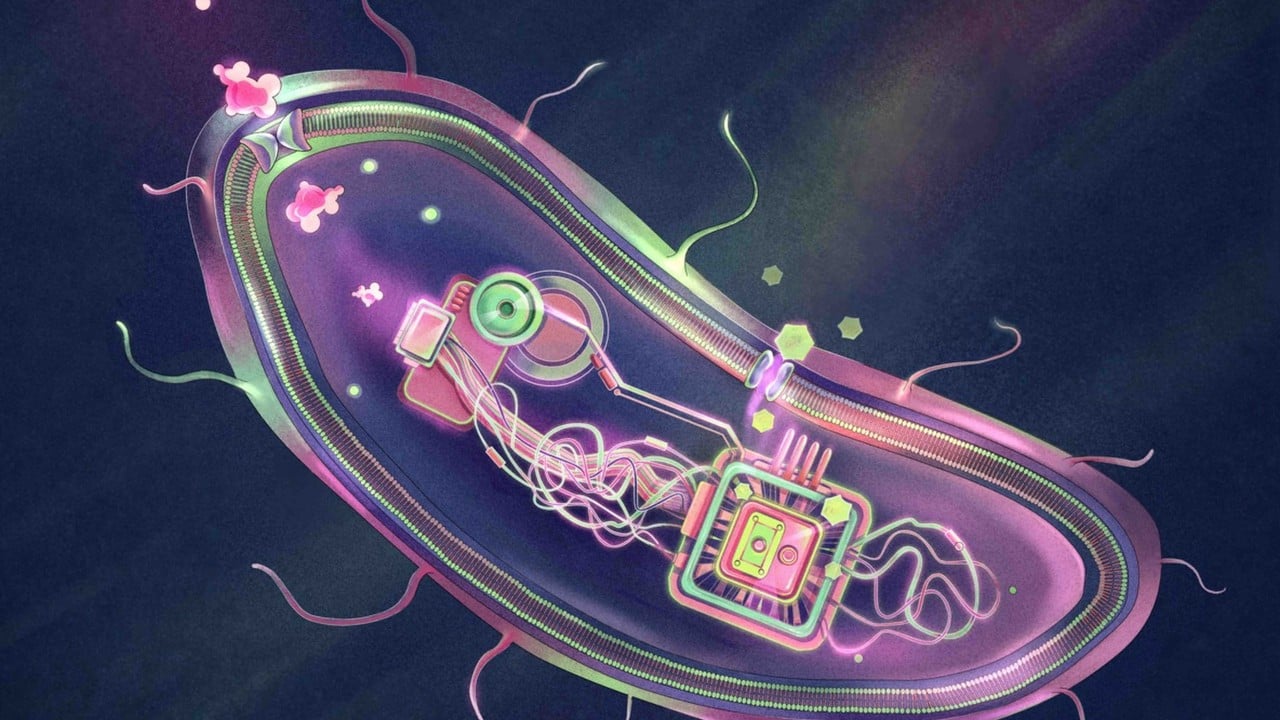
Contrast this wreckage with the recent breakthroughs in metabolic engineering. Chinese scientists are currently racing to bring a "smart" probiotic to global markets, an innovation intended to transform diabetes management. The concept is straightforward: an engineered bacterial strain, delivered orally, acts as a living sensor and regulator within the human gut. Instead of frequent insulin injections or complex regimens, the therapy is designed to respond to physiological cues, potentially modulating glucose levels with the ease of a daily supplement.
It is a striking juxtaposition. On one hand, you have the total collapse of a tangible, physical sector—real estate—that promised stability but delivered chaos. On the other, you have an attempt to build a biological solution for a chronic health condition that is increasingly prevalent across aging populations.
The scientific endeavor carries its own risks. Probiotic therapy faces significant hurdles regarding long-term efficacy and the unpredictability of human gut biomes. Regulatory approval in the United States and elsewhere will likely require years of clinical validation. Unlike real estate, where the fraud was hidden behind accounting maneuvers, the success of these microbial interventions must be visible in blood work and patient outcomes. There is no room for the kind of "asset inflation" that Hui practiced when the target is human metabolic regulation.
Some analysts argue that this pivot toward biotechnology represents a strategic shift in Chinese investment priorities. The focus has moved away from speculative property expansion and toward the domestic development of high-value life sciences. This redirection is not just about medical progress; it is about establishing new pillars for an economy that can no longer rely on endless construction.
Yet, skepticism remains warranted. Innovation requires transparency. If the same systemic pressures that encouraged Evergrande’s unchecked borrowing also influence the scientific sector, the results could be disastrous. Rapid acceleration in the name of national prestige has historically led to corners being cut, whether in property development or clinical trials. True scientific advancement demands a pace that often conflicts with the urgency of political or economic agendas.
The fate of Hui Ka-yan serves as a warning for any industry chasing growth without regard for structural integrity. His life sentence is a definitive statement that the state will not tolerate the destruction of market order. As those in the biotech sector push to get their "smart" probiotics onto international shelves within the next two years, the challenge will be to ensure that their progress is built on genuine, verifiable innovation rather than the kind of speculative hype that brought down the titans of the previous decade.
Reliability is the currency of the future. Whether in the boardroom or the laboratory, the systems that prioritize accountability and observable truth are the only ones destined to endure. The collapse of an empire is a loud, sudden affair, but the success of a scientific breakthrough is a slow, methodical grind. One is a lesson in how not to build, and the other is a test of whether a nation can learn to build the right way. The transition from a property-obsessed economy to one driven by advanced technology is currently unfolding, and the gap between those two worlds is wider than it appears. Success will not be measured by the speed of deployment, but by the safety and accuracy of the end result. Anything less invites the same scrutiny that eventually dismantled the house that Hui built.