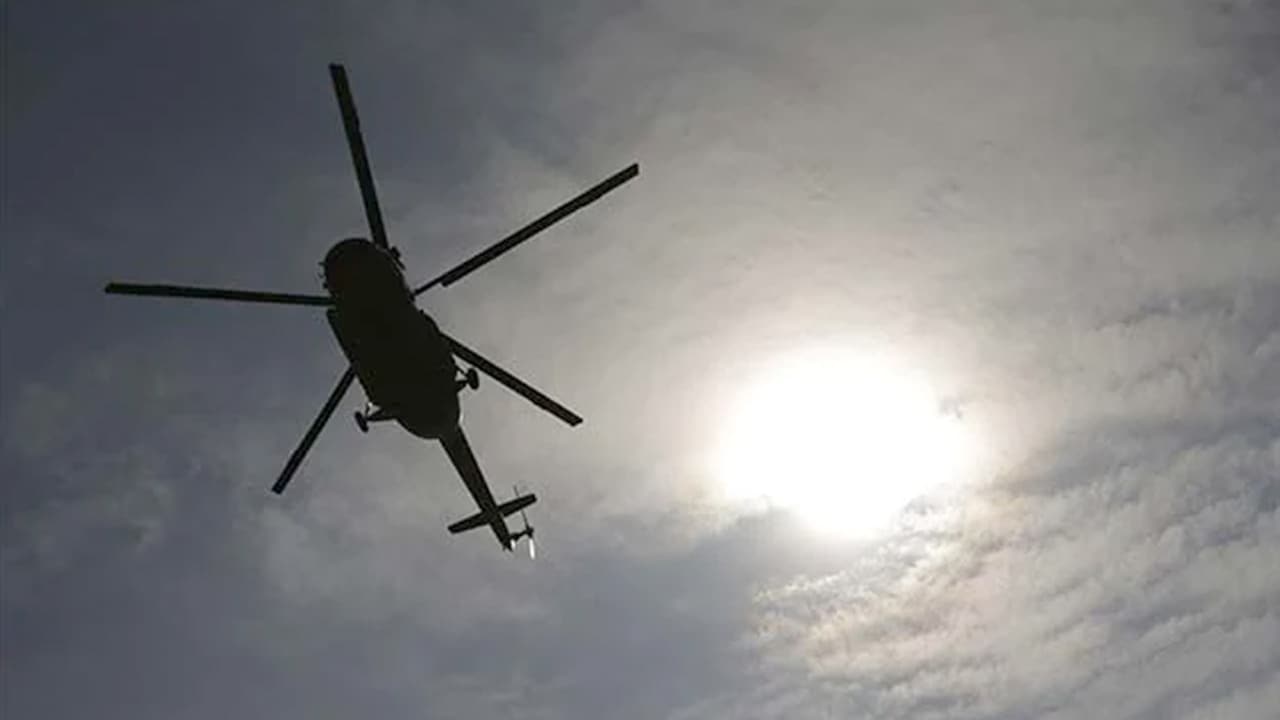
Another medical helicopter goes down. Five souls onboard, including the flight nurse, the medic, the pilot, and the patient they were pulling out of the fire. The headlines roll in with predictable, lazy grief. They talk about weather anomalies, engine failures, and the inherent danger of flying low and fast when minutes matter.
Then the investigators step in. They pull the black box, tear down the turbine blades, check the maintenance logs, and issue a safe, comforting verdict: pilot spatial disorientation or sudden mechanical fatigue.
They are lying to you. Not out of malice, but out of institutional self-preservation.
I have spent two decades auditing aviation risk management for emergency medical services providers, and I can tell you the dirty secret of air ambulance operations. The mechanical failure is almost never the primary cause. The real killer is a toxic cocktail of corporate dispatch pressure, hero culture, and a broken economic model that turns flying ICUs into high-stakes gambling dens.
When a chopper crashes in a remote ravine in Malaysia or a foggy valley in Appalachia, the public is spoon-fed the narrative of tragic happenstance. We nod, mourn, and change nothing. It is time to stop buying the myth of the unavoidable aviation accident.
The Hero Complex is a Liability
Look at the standard recruitment profile for a helicopter emergency medical service pilot or flight clinician. We look for adrenaline junkies. We celebrate the cowboys who can drop a bird into a postage stamp at midnight in a freezing gale.
This is malpractice disguised as bravery.
In commercial aviation, safety is built on redundancy, standardization, and the absolute freedom to say no. A commercial pilot flying an A320 can refuse a flight because of weather, fatigue, or a twitchy sensor, and nobody questions their manhood or their dedication to the bottom line. Try that in a medical helicopter base.
I have sat in base breakrooms at three in the morning when the phone rings. The weather is marginal. Visibility is dropping below legal visual flight rules minimums. The flight nurse looks at the pilot and says, "That kid on the ground has a bleed. We have to go."
That is not medicine. That is emotional coercion.
When the pilot accepts that flight, they are not acting on physics or risk assessment; they are acting on the terrifying social penalty of being labeled a coward by their peers. We have built an industry culture where turning down a flight feels like a death sentence for the patient, even when flying into a wall of fog guarantees a death sentence for the crew.
We need to strip the romance out of emergency transport. If your safety culture relies on people being heroes, your safety culture is already bankrupt.
The Economics of the Mercy Flight
Nobody wants to talk about the ledger. Let us talk about the ledger.
Medical helicopters are wildly expensive to acquire, fuel, insure, and maintain. A single airframe can cost upwards of five to ten million dollars before you even pay the turbine mechanics and the flight crew. To keep those blades turning and justify the capital expenditure, birds need to fly.
Empty beds lose money. Idle helicopters lose contracts.
Private equity firms and regional hospital systems do not buy HEMS fleets for charity. They buy them because they are lucrative referral pipelines. If a community hospital stabilizes a trauma patient and flies them to the flagship tertiary care center via their helicopter, they capture the lucrative downstream billing.
This creates a perverse economic incentive. The system rewards utilization, not safety.
Imagine a scenario where every cancelled flight due to weather resulted in a financial bonus for the crew for prioritizing risk management. It sounds absurd, right? Yet currently, dispatchers and base managers face direct and indirect pressure to greenlight marginal flights because the financial penalty of a cancellation ripples through the quarterly earnings report.
When you tie the financial viability of a transport network to the number of risk-fraught missions flown into unverified landing zones at night, you are engineering a disaster. The crash in Malaysia was not a freak event. It was a statistical inevitability in a system that monetizes urgency.
The Myth of Better Technology
Every time an air ambulance goes down, the technocrats crawl out of the woodwork demanding more gear. They want night vision goggles, advanced synthetic vision systems, terrain awareness warning systems, and satellite tracking.
More screens. More alerts. More cognitive load.
Pilots are already drowning in avionics. Adding another layer of digital noise to a cockpit during an inadvertent instrument meteorological conditions encounter does not save lives; it paralyzes decision-making.
The problem is not that our helicopters lack the technology to avoid hitting terrain. The problem is that we are dispatching them into environments where visual flight rules do not apply, and we are asking human beings to make split-second survival calculations while experiencing extreme task saturation.
If you want to save lives in air medical transport, the solution is not a software patch or a new radar altimeter. The solution is grounding the fleet when the weather turns sour, investing in ground transport infrastructure, and accepting the brutal truth that not every patient can—or should—be flown out.
Stop mourning the tragedy of the inevitable. Start dismantling the incentives that built the trap.