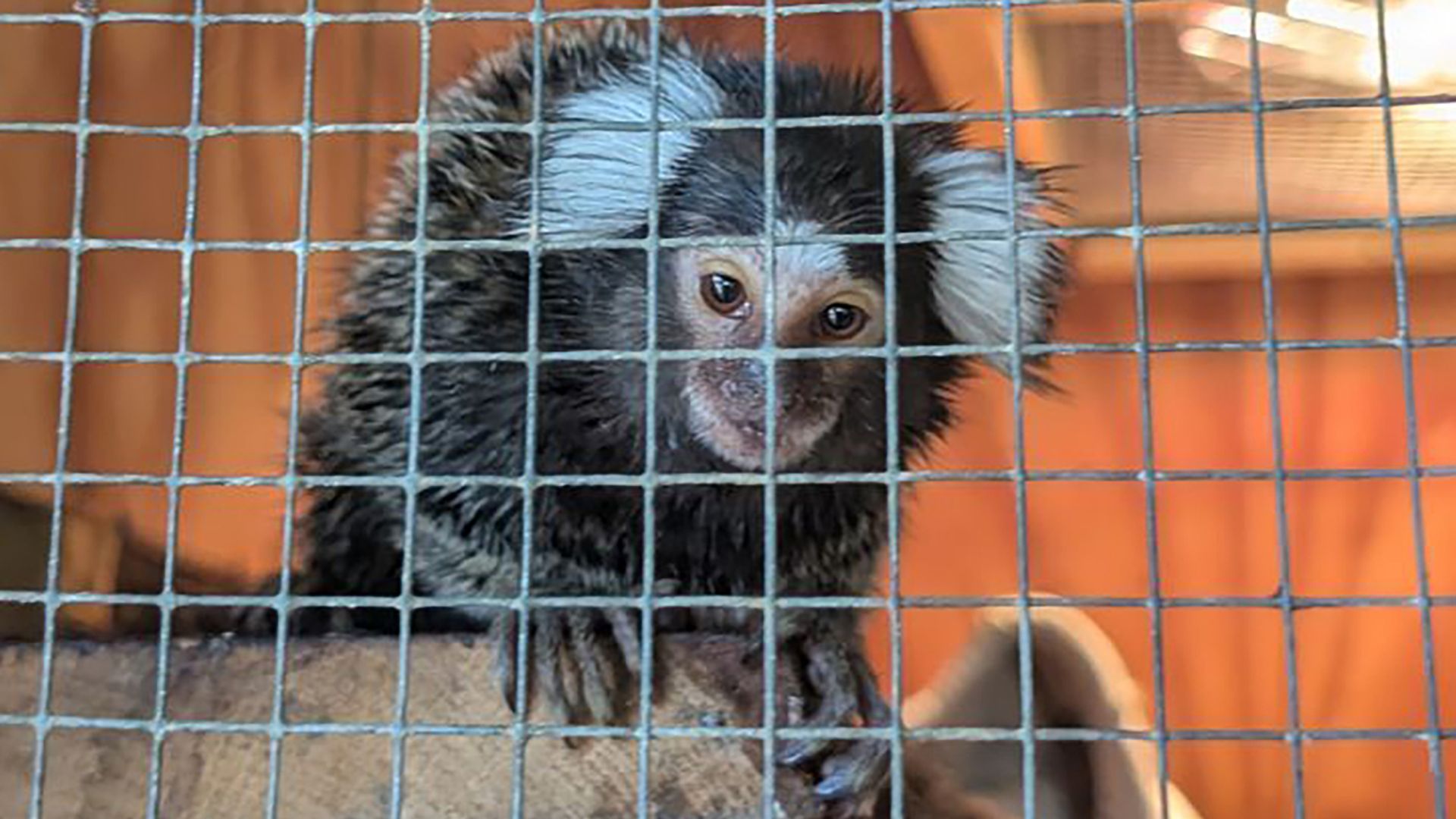
Imagine stepping onto a double-decker bus, tapping your oyster card, and finding a wild primate sitting in a seat where you usually expect a discarded Metro newspaper. It sounds like a surreal fever dream, but that's exactly what went down on a London bus when passengers spotted a marmoset casually hanging out on public transit.
Authorities offered a financial reward for information after rescuing the animal, but the story goes far beyond a quirky news headline. It highlights a massive, growing problem right under our noses: the booming illegal pet trade across major cities and the absurd lack of strict regulation surrounding exotic animal ownership in the UK.
People love strange animal stories. They share them on social media and laugh at the sheer absurdity of a monkey commuting through central London. But honestly, it's pretty dark when you break it down.
How a Wild Animal Ends Up Riding London Transit
Primates don't just wander out of the jungle and board a London bus.
This specific creature—a marmoset—is native to South America. It belonged in a tropical canopy, not navigating urban traffic. So how did it get there? The answer almost always comes down to negligence or panic from an illegal owner.
Someone bought this animal, quickly realized they couldn't handle it, and either lost track of it or intentionally abandoned it. Keeping a marmoset as a pet is a nightmare for the animal and the owner. They require specialized diets, precise humidity levels, social groups of their own species, and massive enclosures. Instead, thousands of exotic pets end up living in cramped cages inside suburban apartments.
When these animals escape—or get dumped when they become aggressive—they end up in bizarre locations. Transport workers and local animal welfare groups like the RSPCA had to step in quickly because cold UK temperatures and urban traffic can kill a tiny tropical mammal within hours.
The Flaws in Current Exotic Pet Laws
You might think owning a monkey requires strict federal licensing, heavy vetting, and commercial-grade enclosures. In reality, the legal frameworks around exotic pet ownership are shockingly loose in many parts of the world, including the UK.
Under current legislation, certain species fall under the Dangerous Wild Animals Act, which requires inspection and formal permits. However, smaller primates like marmosets have historically slipped through legislative cracks or fallen into murky regulatory gray zones. Anyone with an internet connection and a few hundred pounds can find unregulated sellers online.
It's a booming trade. Social media platforms make it ridiculously easy for breeders to market exotic animals as cute, manageable companions. They post videos of baby marmosets wearing doll clothes, completely hiding the reality of sharp teeth, scent-marking behavior, and severe distress signals.
By the time a well-meaning buyer realizes they can't care for a wild creature, it's too late. The animal suffers, and the owner panics.
The Serious Risks of Urban Exotic Pets
This isn't just about animal welfare, though that's a huge part of it. Dumping a wild animal in a dense city creates genuine public health and safety risks that most people completely overlook.
- Zoonotic diseases: Non-human primates carry pathogens that easily cross over to humans, including tuberculosis, measles, and various herpes viruses. A stray primate shedding bodily fluids on public transit seats isn't just a novelty; it's a biohazard.
- Aggressive behavior: As primates reach sexual maturity, they become territorial and unpredictable. They bite hard. A panicked marmoset on a packed bus can inflict serious injuries on an unsuspecting passenger.
- Ecosystem damage: Non-native species released into urban parks can disrupt local wildlife, preying on native birds and competing for food resources.
The reward offered by welfare organizations wasn't just about returning lost property to an owner. It was about tracking down the individual responsible for bringing a vulnerable, high-risk animal into a public space in the first place.
What Needs to Change Right Now
We need to stop treating exotic pet incidents as funny viral moments. They are direct symptoms of a failing regulatory system.
If you want to help curb this issue and prevent animals from being abandoned on public transport, here is what actually works:
First, push for a total ban on the private keeping and trade of primates. Partial restrictions and weak permit systems don't work because rogue breeders always find loopholes. Support organizations actively lobbying parliament for strict, comprehensive bans on primate ownership.
Second, report illegal animal sales online. If you see marmosets, lemurs, or other wild animals listed on classified sites or social media marketplaces, report the listings immediately to platform moderators and local animal welfare authorities.
Finally, never engage with or share "cute" social media content that shows wild animals kept as domestic pets. Algorithms push those videos because of high engagement, fueling the demand that leads directly to animals being dumped on city buses.


