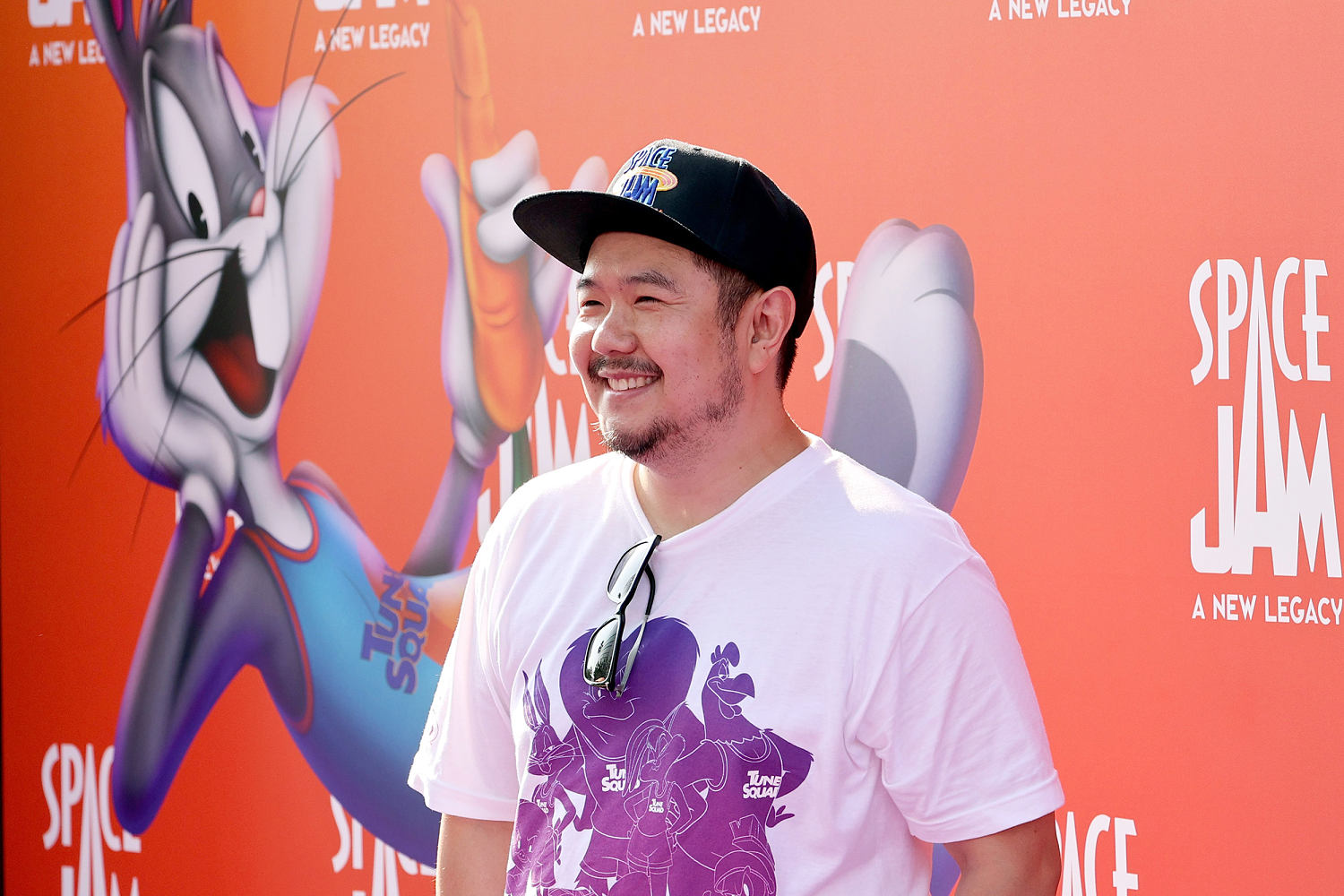
Eric Bauza is alive. Despite a wave of viral headlines and unverified social media posts claiming the celebrated voice actor behind Bugs Bunny, Daffy Duck, and Porky Pig passed away at age 46, no credible news organization, family representative, or studio has reported his death.
The rumor follows a familiar, destructive pattern in digital media where automated content farms and click-driven aggregators fabricate celebrity obituaries to harvest search traffic. Understanding how this hoax gained traction—and why Bauza's career carries immense weight in modern animation—exposes a deep vulnerability in how audiences consume entertainment news and how studios value the human voices behind their biggest intellectual properties.
Anatomy of a Digital Hoax
Celebrity death hoaxes rarely start with malice. They start with math.
When a performer reaches a certain threshold of cultural ubiquity, their name generates steady, predictable search volume. Content scrapers and low-tier syndication networks monitor these spikes, occasionally feeding broken metadata or maliciously edited wiki entries into automated headline generators. A single fabricated post—often featuring a black-and-white photo, a specific age to manufacture false credibility, and a list of recognizable character credits—triggers an algorithmic cascade.
In Bauza's case, the specificity of the rumor did the heavy lifting. Born on December 7, 1979, Bauza turned 46 in late 2025. Fraudulent obituary generators pull real birthdates from public databases to calculate exact ages, lending an illusion of editorial verification to completely fabricated claims. Readers see the accurate age alongside iconic names like Bugs Bunny and Daffy Duck, assume a reputable wire service broke the news, and share the link before checking a single primary source.
Major entertainment trades—specifically Variety, The Hollywood Reporter, and Deadline—maintain strict multi-source verification protocols before publishing any obituary. When a prominent union actor dies, SAG-AFTRA, representation agencies, and studio publicists issue coordinated statements within hours. The total absence of confirmation from Warner Bros. Animation, Nickelodeon, or Bauza's representatives serves as immediate proof that the circulating headline is false.
Why Eric Bauza Matters to Modern Animation
To understand why a fake headline about Eric Bauza spreads so rapidly, you have to look at the sheer volume of iconic intellectual property resting on his vocal cords. He is not merely a working actor; he is the primary vocal custodian for the foundational characters of American animation.
When Mel Blanc died in 1989, Warner Bros. spent decades splitting his legendary roster among multiple performers. Jeff Bergman, Billy West, Joe Alaskey, and Bob Bergen all carried pieces of the Looney Tunes legacy. Over the past decade, however, studio executives increasingly consolidated those duties into a single performer. Bauza became the rare modern artist trusted to voice Bugs Bunny, Daffy Duck, Porky Pig, Tweety, Marvin the Martian, and Elmer Fudd—often within the exact same recording session.
The Mechanics of Vocal Inheritance
Stepping into a legacy role is vastly different from creating an original character from scratch. An original character allows an actor to build cadence, breath support, and pitch around their natural vocal anatomy. A legacy character demands that the actor reverse-engineer someone else's anatomy while delivering fresh, unscripted emotional beats.
Consider the technical demands of voicing both Bugs Bunny and Daffy Duck in a single dialogue exchange. Bugs requires a relaxed, Brooklyn-inflected mid-range placement with crisp, unhurried consonants. Daffy demands an aggressive lateral lisp, forward nasal resonance, and rapid-fire rhythmic shifts that place immense physical strain on the vocal folds. Switching between those two placements in real time without losing comedic timing requires elite muscular control.
Bauza earned his multiple Emmy Awards for Looney Tunes Cartoons not through mere mimicry, but through acting. Audiences immediately detect hollow impressions. What keeps a century-old cartoon rabbit viable for contemporary viewers is the micro-acting beneath the signature catchphrases—the subtle vocal fry of exhaustion, the sharp intake of breath before a prank, the genuine warmth in a reaction shot.
The Economics of the Invisible Performer
The viral spread of the Bauza rumor highlights an uncomfortable paradox in the entertainment industry. Voice actors power multi-billion-dollar franchises, yet they remain largely invisible to the general public until a crisis—real or fabricated—puts their names in a headline.
For decades, animation studios treated vocal talent as replaceable overhead. During the golden age of television animation, actors worked under strict work-for-hire contracts with minimal residual protections and virtually zero public recognition. Even as celebrity stunt casting took over theatrical animated features in the 1990s and 2000s, dedicated voice specialists remained the backbone of television series, video games, and theme park attractions.
That dynamic has shifted into a high-stakes battleground over intellectual property and artificial intelligence. Today, a performer like Bauza represents both an irreplaceable creative asset and a prime target for synthetic replication.
When a single actor holds the official voice print for dozens of legacy characters—spanning Looney Tunes, SpongeBob SquarePants, Teenage Mutant Ninja Turtles, and Rick and Morty—their vocal health and contractual status become corporate priorities. Studios rely on these veteran performers to maintain brand consistency across global markets, merchandising lines, and streaming platforms. Yet the public rarely sees the face behind the microphone, creating an information vacuum where rumors thrive unchecked.
How to Verify Breaking Celebrity News
The internet rewards speed over accuracy, leaving individual readers responsible for their own editorial standards. When a shocking headline about a performer surfaces in your feed, three immediate checks will separate legitimate journalism from algorithmic garbage.
- Check the trade publications first. Before sharing any breaking entertainment news, search the actor's name on Variety, The Hollywood Reporter, or the Associated Press. If none of these outlets have published a story within an hour of a viral social media post, the story is almost certainly fabricated.
- Inspect the URL and domain structure. Hoax sites routinely mimic legitimate news organizations by altering a single letter in a domain name or hosting articles on free blogging platforms disguised with corporate logos. Look at the actual web address, not just the preview card generated by a social platform.
- Look for official studio or union acknowledgments. Legacy performers are deeply embedded in industry guilds and studio ecosystems. Genuine news of a major voice actor's passing immediately triggers public tributes from fellow actors, animation directors, and official franchise accounts.
The Real Cost of Synthetic Clickbait
It is easy to dismiss a fake celebrity death report as harmless internet noise that blows over in twenty-four hours. That view ignores the real-world damage these hoaxes inflict on working professionals and their families.
When a false obituary goes viral, an actor's phone does not ring with condolences from strangers—it rings with panicked calls from elderly parents, extended family members, and close friends who saw the headline before the actor had a chance to debunk it. Casting directors and producers, glancing at search results during active production cycles, can momentarily hesitate on bookings due to automated news alerts.
Worse, search engine algorithms often index the false headline faster than the subsequent corrections. For days or even weeks afterward, typing a performer's name into a search bar yields an auto-complete suggestion paired with the word "death," permanently polluting their digital footprint with a lie.
Eric Bauza remains active in the booth, continuing a career built on precision, endurance, and deep respect for the craft of animation. The next time an unverified headline attempts to write the final chapter of a working artist's life for a fraction of a cent in ad revenue, refuse to give it the click.