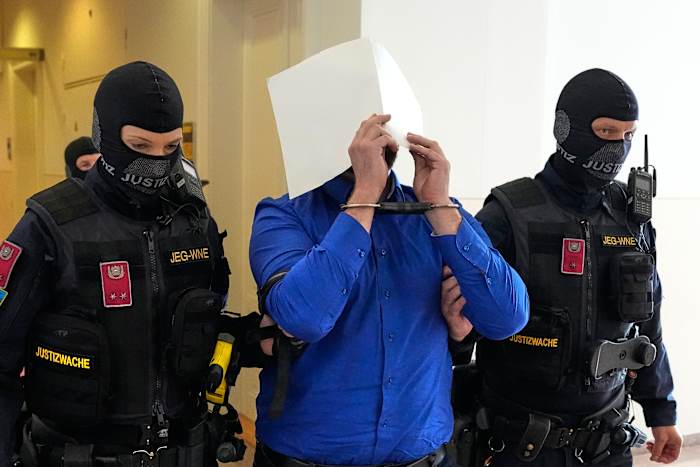
The media is currently feasting on the gruesome details of the Zamil Limon and Nahida Bristy murders. They are fixated on the bridge, the towel, the SWAT standoff, and the suspect’s delusions of divinity. It is easy journalism. It sells clicks. But the real story is not about what happened on the Howard Frankland Bridge; it is about the structural rot within universities that treats human lives as interchangeable variables in a research grant equation.
The prevailing narrative is that this was a tragic anomaly—a lone, unhinged roommate who snapped. This is a comforting lie. It obscures a systemic failure that I have seen repeat itself for a decade. Universities are obsessed with international recruitment numbers and research output, yet they wash their hands of the domestic reality of their students the moment they step off campus property.
The Myth of the Controlled Environment
Academic institutions pitch themselves as safe havens. They talk about "campus culture" and "integrated student life." But look at the reality for doctoral students, especially international ones. They are often shoved into off-campus housing arrangements that are essentially high-density pressure cookers.
The university does not vet these living situations. They do not care who you live with, provided the rent is paid and you show up to the lab. I’ve seen departments push students to "just make it work" when conflicts arise, prioritizing research continuity over the psychological and physical safety of the humans involved. When you force people from vastly different backgrounds into confined, stressful, and unsupervised spaces, you are not creating a community. You are creating a ticking time bomb.
The Data Void
The "official" line from investigators and university spokespeople is that this case is a shock. But look at the history of the accused. The reports confirm previous arrests for domestic violence and battery. If the university’s internal oversight was worth anything, how was a student—or even a former student—with a known pattern of erratic behavior allowed to exist in the same orbit as high-performing, international doctoral candidates?
Universities are quick to build out massive, bloated administrative offices for every imaginable compliance issue, yet they are blind when it comes to the basic, human-level vetting of the people who share a front door with their PhD cohort. They operate on a model of "plausible deniability." If it happens off-campus, it is not their problem. That is a coward’s defense.
The Cruel Calculus of Research
Limon was studying the use of advanced computing in environmental science. He was on the cusp of presenting his thesis. He was a high-value asset. Universities love these people because they produce papers and bring in grant money. But they treat them like disposable assets.
Imagine a scenario where a corporation had two high-value employees sharing a living space, and one of them had a documented history of mental instability and violence. A competent HR department would have intervened months ago. But in the academic world, the PhD advisor is not an HR manager. They are a project manager. If your project manager is not trained to identify red flags in your personal life, and the institution refuses to step in, you are effectively on your own.
The Wrong Question
People are asking, "How did the suspect get to this point?"
Stop. That is the wrong question. It shifts the focus to the killer and away from the negligence of the institutions that facilitated the environment where this could happen.
The question should be: Why do we continue to prioritize the "academic pipeline" while systematically ignoring the precarious living conditions of the people moving through it? We have institutionalized a system where international students, isolated from their support networks and tethered to a visa status that makes reporting an unsafe roommate a career-ending risk, are forced to navigate domestic violence without a safety net.
Stop Waiting for the Institution to Protect You
If you are a doctoral student, understand this: your university is not your family. Your advisor is not your guardian. The moment you sign that lease, you are in the wild.
- Vetting is Your Job: Assume the university did zero background checks on your housing situation. Do your own. If a potential roommate has a history of aggression, walk away. Do not negotiate. Do not think you can "work through it."
- Document Everything: If you feel threatened, do not report it to your department chair. They will likely try to sweep it under the rug to maintain the status quo. Report it to actual law enforcement immediately. Get a paper trail before the situation escalates.
- Financial Independence from Housing: If you can afford to live alone, do it. The cost of living alone is a small insurance premium compared to the cost of being trapped in a violent domestic situation you cannot easily escape due to the power dynamics of a PhD program.
The university will issue a statement, talk about their "heartbreak," and perhaps hold a memorial. Then they will continue the same recruiting tactics and the same lack of oversight. They have done it before. They will do it again. The only way to disrupt this cycle is to realize that you are the only person truly invested in your survival.
Do not trust the system to hold the door open for you. Carry your own key, and know exactly who is on the other side of it.