The microphone is a strange confessional. For nearly a decade, millions of young women—and more than a few men—have sat in the dark with headphones clamped to their ears, listening to a voice that felt like a wild, unfiltered best friend. It was the voice of Alex Cooper. As the creator and powerhouse behind the juggernaut podcast Call Her Daddy, she built an empire on raw, raucous, and unapologetic conversations about sex, relationships, and modern womanhood. Her listeners became an army, affectionately dubbed the "Daddy Gang." She was their fearless leader, affectionately called "Father Cooper."
But empires have a way of shifting when the architect changes. Learn more on a similar issue: this related article.
A few days ago, the internet fractured just a little bit. The woman who made a fortune deconstructing the chaotic, often hilarious realities of the single hookup culture announced something that felt, to many, like the ultimate plot twist.
Alex Cooper is pregnant. Additional journalism by BBC highlights related perspectives on this issue.
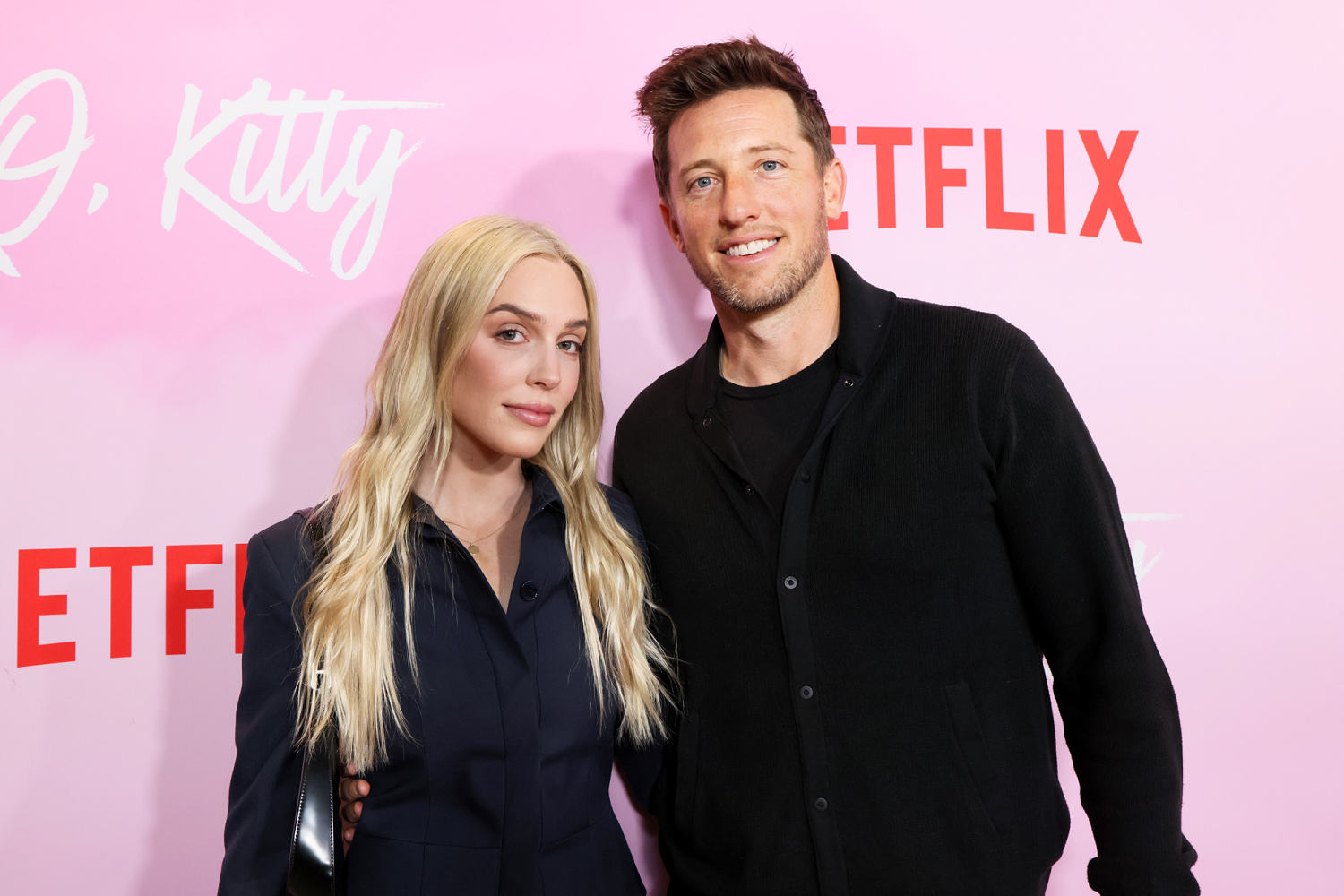
To the casual observer, it is standard celebrity fodder. A successful 31-year-old woman and her husband, business mogul Matt Kaplan, are starting a family. It happens every day. But if you look closer, past the glossy Instagram photos and the inevitable flood of algorithmic notifications, you see something much larger. This is a cultural inflection point. It is the moment a generational icon steps off the pedestal of perpetual youth and walks into the terrifying, beautiful room of motherhood.
The Echo Chamber of Twenty-Something Chaos
To understand why this news hit her audience like a physical shock, you have to understand what Call Her Daddy represented.
Think back to 2018. The cultural landscape was saturated with curated perfection. On one side, you had the sterile, highly polished world of traditional celebrity influencers. On the other, a rising tide of young people starved for someone to just say the unsaid things out loud.
Then came Cooper. She did not just speak; she shouted. She talked about dating disasters with a visceral, comedic ferocity. She gave toxic relationship advice that was terrible for your mental health but brilliant for entertainment. She demystified the messy, vulnerable, and often embarrassing realities of modern intimacy.
For a college student sitting in a lonely dorm room, or a twenty-something navigating a soul-crushing entry-level job in a city that felt too big, Cooper was the anchor. Listening to her wasn't just consumption; it was a ritual. It felt like sitting on the floor of a messy apartment at 2:00 AM, sharing a cheap bottle of wine with the one person who wouldn't judge your worst decisions.
The metrics followed the emotion. Spotify signed her to a staggering $60 million deal, which she later parlayed into a historic $125 million distribution and advertising contract with SiriusXM. She wasn't just a podcaster anymore. She was an institution.
But institutions are built on promises. And the unspoken promise of Call Her Daddy was that we were all staying young, messy, and unbothered forever.
When the Mirror Changes Shape
There is a specific kind of vertigo that happens when the person you look to for validation suddenly moves on to a different stage of life.
Consider a hypothetical listener named Maya. She is 26. She has listened to every single episode of the podcast since her junior year of college. When Maya went through a devastating breakup three years ago, Cooper’s voice was the background noise to her healing. When Maya felt insecure about her dating life, the podcast told her she was a commodity, a prize, a force to be reckoned with.
When Maya saw the pregnancy announcement, she felt a sudden, inexplicable tightening in her chest.
It wasn't sadness for Cooper. It was a sudden, sharp realization of the passage of time. If Father Cooper is buying a crib, what does that mean for the rest of us? Are we supposed to grow up now, too?
This is the invisible stake of celebrity culture. We do not just consume media; we anchor our own identities to the people who create it. When those people pivot, our anchors drag across the ocean floor.
The transition did not happen overnight, of course. Over the last few years, the podcast evolved. The chaotic monologues gave way to high-profile interviews with everyone from Jane Fonda to Post Malone. Cooper married Kaplan in a stunning, intimate ceremony in Mexico. The wild twenty-something had become a savvy, grounded mogul. The rough edges were being sanded down by time, success, and maturity.
Yet, pregnancy is different. Marriage is a partnership; a child is a rewriting of the self.
The Complicated Truth About "Having It All"
We live in an era that demands women be everything, all at once, without showing the seams.
You must build a multi-million-dollar business. You must maintain a flawless public image. You must be sexually liberated, fiercely independent, and emotionally bulletproof. And then, when the biological clock or personal desire dictates, you must transition seamlessly into the soft, nurturing role of a mother—all while keeping the cameras rolling.
It is a dizzying expectation. It is also deeply intimidating.
Cooper has always been vulnerable about her anxieties, her struggles with mental health, and the immense pressure of steering the ship she built. Now, she enters a realm where her primary audience may not immediately relate to her day-to-day reality. The Daddy Gang is not exactly known for discussing diaper rash or sleep training schedules.
But perhaps that is exactly why this moment matters.
The true test of a cultural community is not whether it can stay frozen in time, but whether it can grow together. The young women who started listening to Cooper in 2018 are no longer the same people they were back then. They have careers now. They have serious relationships, or they have chosen deliberate solitude. Some of them are staring down the exact same questions of family, aging, and legacy that Cooper is navigating in real time.
The narrative is shifting from "how to survive the weekend" to "how to build a life."
The New Monologue
Picture the studio. The neon sign is buzzing. The acoustic foam on the walls dampens the noise of the outside world. Alex Cooper sits at the microphone, just as she has thousands of times before.
But the room feels different now.
There is a heartbeat in that room that wasn't there during the $125 million contract signings or the star-studded red carpets. It is small, quiet, and entirely indifferent to download numbers or social media engagement.
The next chapter of the podcast will undoubtedly look different. The jokes might change. The priorities certainly will. There will be critics who claim she has lost her edge, that the brand is diluted, that the "old" Call Her Daddy is dead.
They will be right, in a way. The old version is gone. But what takes its place might be something far more powerful.
True authority does not come from pretending you are frozen in amber at twenty-three. It comes from having the courage to let your audience watch you change. It comes from standing in front of millions of people and admitting that the girl who used to rule the nightlife is ready to welcome the quiet morning.
The microphone is still open. The Daddy Gang is still listening. But the conversation has just grown up.